


The Green Your Cat is Missing
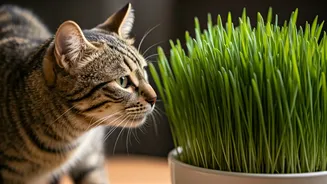
For many indoor cats, life is missing a natural element their outdoor counterparts enjoy: access to fresh grass. This instinct to graze isn't just a quirky habit; it serves several purposes. The fiber in greens can aid digestion, helping to prevent constipation
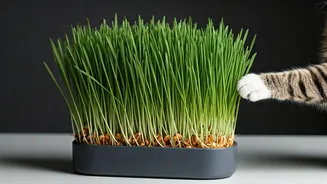
and manage hairballs by moving ingested fur through the digestive tract. While house cats are obligate carnivores that get their primary nutrients from meat, plant matter offers supplementary benefits. Wheatgrass, often called 'cat grass', is a perfect solution. It's packed with vitamins and minerals and, unlike many household plants, is completely safe for felines to consume in moderation. It provides not only digestive support but also mental stimulation, adding variety and enrichment to your pet's daily routine.
The Nutritional Power of Wheatgrass
Wheatgrass is more than just a safe blade of grass for your cat to chew on. These young shoots of the common wheat plant are a source of beneficial nutrients. They contain vitamins A, C, and E, all of which contribute to a healthy immune system, good vision, and skin health. The grass is also a source of chlorophyll, amino acids, and essential minerals. Despite its name, wheatgrass is harvested before the gluten-containing grain develops, making it a safe treat even for cats with gluten sensitivities. The fibrous texture helps with everything from soothing an upset stomach to promoting smoother bowel movements. Think of it not as a meal replacement, but as a healthy, low-calorie supplement that supports their overall well-being.
Gather Your Simple Supplies
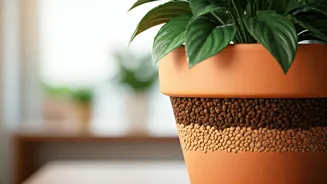
One of the best parts about cultivating wheatgrass is how little you need to get started. This isn't a complex gardening project requiring expensive equipment. You can find everything you need at a local gardening store, pet shop, or online. Here's a basic list: * **Wheatgrass Seeds:** Also known as hard red wheat berries. Ensure they are organic and intended for sprouting to avoid pesticides. * **A Shallow Container:** A simple plastic tray, a ceramic pot, or even a pie pan will do. Just make sure it has drainage holes to prevent waterlogging and mold. * **Growing Medium:** Organic potting soil is a great choice. You can also use a soil-free medium like coconut coir. * **A Spray Bottle:** For gently misting the seeds and soil.
Step-by-Step to a Lush Patch
Ready to get growing? In about a week, you'll have a fresh patch of grass for your cat to enjoy. Follow these simple steps: 1. **Soak the Seeds:** Measure out enough seeds to create a single, dense layer in your container. Place them in a jar, cover with water, and let them soak for about 8-12 hours, or overnight. 2. **Prepare the Container:** Fill your chosen tray with about one to two inches of moist potting soil. Don't pack it down too tightly. 3. **Sow the Seeds:** Drain the soaked seeds and spread them evenly across the surface of the soil. Gently press them into the soil, but they don't need to be fully buried. 4. **Water and Wait:** Mist the seeds and soil thoroughly with your spray bottle. Place the container in a spot that gets plenty of indirect sunlight. Direct sun can scorch the young shoots. 5. **Daily Care:** Mist the patch daily to keep the soil moist but not soggy. You should see sprouts within a few days. The grass is typically ready for your cat when it reaches about 3-4 inches in height.
Serving and Maintenance
Once your grass is tall enough, simply place the container where your cat can easily access it. Most cats will instinctively know what to do and begin nibbling. Don't be alarmed if your cat vomits after eating grass; this can be a natural way for them to clear out hairballs and other indigestible material. However, consumption should be in moderation. A few minutes of grazing a day is plenty. If your cat seems to overindulge, you may need to limit access. Wheatgrass patches have a short shelf life, usually lasting one to two weeks before they turn yellow and wilt. To ensure a continuous supply, consider starting a new patch every week or so. When a patch is spent, you can compost the roots and soil and start fresh.