









The Anatomy of an Imperfection
Before we unpack the 'why,' let's understand the 'what.' Film grain is the random, textural quality you see in photographs and movies shot on traditional celluloid film. It's a result of small metallic silver particles that emerge during the chemical
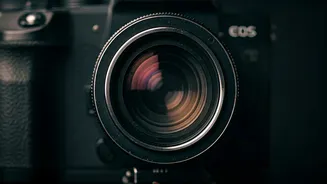
developing process. Different film stocks, like Kodak Portra or Fuji Velvia, had their own unique grain structure, which cinematographers and photographers learned to use for creative effect. Fake film grain, by contrast, is a digital overlay. Using sophisticated software, creators can meticulously add this texture back into images captured with pristine digital sensors. It’s not just random 'noise'; modern tools in apps like VSCO and DaVinci Resolve simulate the specific size, shape, and pattern of classic film stocks, offering digital precision to recreate an analog artifact.
The Allure of the Analog Past
So, why go to all the trouble of making new things look old? The answer lies in nostalgia, but it’s deeper than just a fondness for vintage aesthetics. In a world saturated with hyper-realistic, surgically sharp digital content, the clean look of a modern smartphone or cinema camera can feel sterile and impersonal. Film grain disrupts this perfection. It introduces a layer of chaos and unpredictability that our brains associate with authenticity and memory. An image with grain feels less like a sterile digital file and more like a tangible object—a physical photograph you can hold. This texture evokes a sense of warmth, history, and human touch, providing a comforting counterbalance to the cold precision of technology. It’s a manufactured memory, a way to imbue a modern moment with the emotional weight of the past.
From Phone Screens to Silver Screens
This trend isn't confined to amateur photographers on social media. It has been wholeheartedly embraced by professional filmmakers to set the mood and tone of their stories. For example, Todd Phillips’ *Joker* and Matt Reeves’ *The Batman* both used digital grain to give their vision of Gotham City a gritty, 1970s-era texture, even though they were shot on high-end digital cameras. The effect immediately signals to the audience that they are entering a world that is raw, dangerous, and grounded in a different reality. On the other end of the spectrum, indie filmmakers and music video directors use it to create a dreamy, ethereal quality. The accessibility of tools—from one-tap filters on your phone to advanced plugins for professional editing suites like Dehancer Pro—has democratised this aesthetic, allowing everyone to become a curator of their own visual mood.
A Search for Digital Soul
At its core, the fascination with fake film grain is a search for what we might call 'digital soul.' A perfect digital image can sometimes feel too literal, showing you everything without leaving room for interpretation or feeling. Grain breaks up the image, softening focus, deepening shadows, and blending colours in a way that feels more painterly and impressionistic. It adds a layer of 'fiction' to the image, reminding the viewer that they are looking at a constructed piece of art, not a simple recording of reality. This slight abstraction forces our eyes and minds to work a little harder, engaging us on a more emotional level. The imperfection is the point; it’s a deliberate artistic choice to make an image feel more organic and alive, rescuing it from the uncanny valley of digital perfection.