







Why India Is So Vulnerable
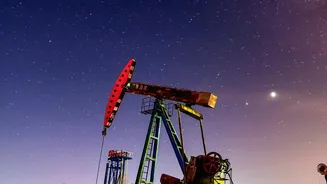
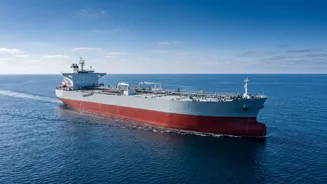
India's economy is highly sensitive to global oil price fluctuations for one primary reason: heavy import dependency. The country imports a staggering 88.7% of its crude oil requirements, a figure that has steadily risen over the years as domestic production
has declined. This means that any geopolitical tension, supply disruption, or change in production by oil-exporting nations almost immediately affects the price India pays. As of late August 2026, international benchmark Brent crude has surged to over $91 per barrel, driven by renewed geopolitical risks. This reliance on foreign oil, paid for in US dollars, makes the Indian economy susceptible to both international market volatility and currency exchange rate movements.
From Crude to the Petrol Pump
The price you pay for a litre of petrol or diesel is far more than just the cost of raw crude oil. The final retail price is a complex calculation. It starts with the base price, which includes the cost of crude, processing at refineries, and margins for oil marketing companies (OMCs). Added to this are significant central and state taxes. The central government applies a fixed excise duty, while states levy a Value Added Tax (VAT), which varies from one state to another. Together, these taxes can constitute nearly 40-50% of the final pump price, which explains why fuel costs differ across the country. Because India's pricing mechanism is technically dynamic, these costs are supposed to be adjusted daily, reflecting global trends.
The Diesel-Powered Domino Effect
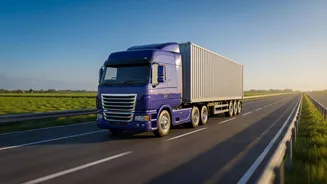
While petrol prices affect private commuters, diesel is the lifeblood of the Indian economy. It powers the vast majority of trucks, trains, and commercial vehicles that transport goods across the nation. Diesel accounts for anywhere between 30% and 60% of a truck's total operating cost. When diesel prices rise, transporters face immediate financial pressure. To stay viable, they pass these increased costs on to their clients—the manufacturers, farmers, and distributors of goods—through higher freight rates or fuel surcharges. Transporter associations have warned that even small increases in diesel prices make their operations financially unsustainable, forcing them to raise freight charges to survive.
From the Highway to Your Home
This increase in freight charges creates a domino effect that economists call 'transport inflation' or 'network inflation'. The higher cost of moving raw materials to factories and finished products to markets inevitably gets passed down the supply chain. A farmer has to pay more to transport produce to the mandi, a manufacturer pays more to ship goods to wholesalers, and retailers pay more for deliveries. Ultimately, the end consumer bears the brunt of these accumulated costs. This is why a spike in diesel prices is quickly followed by an increase in the prices of vegetables, fruits, groceries, and other essential daily items. Reports show that a Rs 5 per litre increase in diesel could force freight rates up by nearly 3%, directly impacting household budgets.
Government's Balancing Act
The government often finds itself in a difficult position. Allowing fuel prices to rise in line with global rates can fuel widespread inflation and public discontent. However, artificially suppressing prices means that state-owned oil marketing companies must absorb massive losses, which can become unsustainable. In the past, the government has responded with measures like cutting excise duties to provide temporary relief to consumers, as seen with a Rs 10 per litre cut in March 2026. However, these moves impact government revenues. Long-term strategies being pursued include diversifying crude import sources, increasing strategic petroleum reserves, and promoting alternative fuels to reduce the economy's vulnerability to external shocks.