





The Great Travel Turn-Off
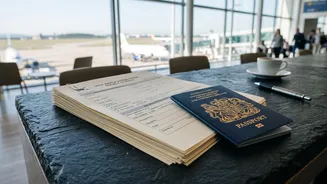
According to IATA's 2026 Global Passenger Survey, a staggering 43% of travellers have been discouraged from visiting a destination specifically because of its immigration requirements. This marks a significant jump from 33% in 2025, signalling a major
shift in how people plan their trips. The primary culprit isn't the cost, but the sheer complexity of the process. Over half of the deterred travellers (53%) cited complicated procedures as their main reason for abandoning their plans. In contrast, concerns over cost and data privacy were each cited by only 17% of respondents. This growing frustration suggests that for a large portion of the world's travellers, the time and effort required for a visa now outweigh the appeal of the destination itself.
Why Convenience Is the New King
So, what's behind this growing impatience? The trend is a confluence of post-pandemic travel hunger and rising expectations for digital convenience. Travellers are increasingly accustomed to seamless online experiences, from booking flights on their phones to using biometric screening at airports. The survey found that a vast majority of passengers are eager to embrace technology that simplifies travel. For example, 86% of travellers said they would willingly share immigration information digitally before their trip to speed things up. Furthermore, 60% now prefer applying for a visa online rather than going to a consulate in person. The message is clear: in an era of one-click everything, a cumbersome, paper-based visa process feels archaic and is a significant competitive disadvantage for any country's tourism industry.
A Tale of Two Borders
This trend is creating a clear divide between nations that are winning the tourism race and those being left behind. Countries that have streamlined their entry requirements are reaping the rewards. Nations offering visa-free travel, e-visas, or visa-on-arrival policies are seeing significant growth in tourist arrivals and revenue. For instance, Thailand's expansion of its visa-free policy to 93 countries is part of a strategy to attract millions more visitors. Similarly, many countries in the Americas and Europe have long benefited from simplified entry for many nationalities, boosting their tourism economies. On the other hand, countries with notoriously difficult visa processes risk becoming 'fly-over' destinations. The IATA data shows this problem is most acute in Africa and the Asia-Pacific region, where 52% and 49% of travellers, respectively, have been deterred by entry rules.
The Indian Traveller's Dilemma
For Indian passport holders, this global shift is particularly relevant. As one of the world's fastestest growing outbound travel markets, Indian tourists are a highly soughtafter demographic. Yet, they often face some of the more demanding visa application processes for Western countries. The findings from IATA's report echo a sentiment long felt by many Indian travellers: the hassle of securing a visa can make or break a holiday plan. This is prompting a noticeable change in behaviour, with many opting for destinations that offer easier access, such as many countries in Southeast Asia, the Middle East, and parts of Africa that have simplified their rules. The collective power of these decisions sends a strong economic signal, and nations that fail to make their visa processes more accessible to the massive Indian market risk losing out on billions in potential tourism revenue.