


Embrace the Crunch with Toppings
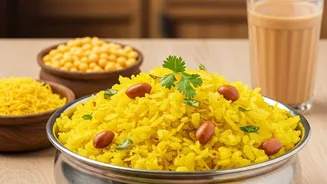
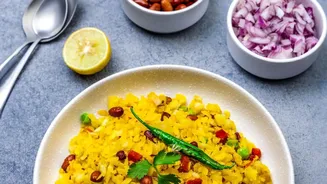
The easiest way to transform poha is by changing the garnish. While roasted peanuts are a classic addition, providing a satisfying crunch and nutty flavour, there are many other options. For an instant upgrade popular in street-food versions, generously
sprinkle fine sev over the top for a delightful contrast between the soft rice flakes and the crispy gram flour noodles. Toasted cashews can lend a buttery richness, while fried onions bring a sweet and savoury crunch. For a burst of freshness and colour, consider adding pomegranate seeds, which are a key component of the famous Indori poha style. A final sprinkle of freshly grated coconut is another simple way to add texture and a hint of sweetness.
Look to Regional Inspirations
Different regions across India have perfected their own unique versions of poha. Take a cue from Indore, where the poha is steamed to be extra fluffy and then topped with sev and a special 'jeeravan masala' for a signature sweet, spicy, and tangy flavour. Or travel to Nagpur for 'Tarri Poha', where a plate of simple poha is served with a flavourful and spicy gravy called tarri, often made from chickpeas. In parts of Maharashtra, you'll find 'Dadpe Poha', a no-cook version where thin poha flakes are mixed with freshly grated coconut, chopped onions, and lemon juice, creating a dish that is almost like a salad. Exploring these regional styles can introduce you to entirely new flavour profiles.
Add More Vegetables
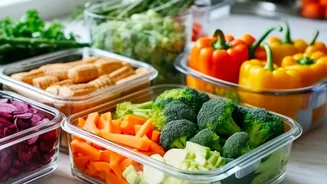
Boosting the nutritional value of your poha is as simple as adding more vegetables. Beyond the standard onions and potatoes found in Kanda Batata Poha, you can incorporate a variety of finely chopped veggies. Green peas, diced carrots, and finely chopped bell peppers add colour, vitamins, and different textures. You can also add chopped tomatoes for a bit of tangy moisture or even finely shredded cabbage. The key is to add the vegetables to the pan and cook them until tender before mixing in the soaked poha flakes, ensuring everything is cooked through perfectly.
Increase the Protein Content
To make your poha a more substantial and filling meal, consider adding a source of protein. Cooked sprouts, such as moong, are a popular and healthy addition that adds texture. Cubes of paneer can be tossed into the poha towards the end of cooking for a soft, delicious, and protein-rich element. For a non-vegetarian twist, some even pair poha with flavourful curries like Malvani chicken. Even something as simple as adding roasted chana dal (split chickpeas) can increase the protein content while also contributing a pleasant crunch.
Experiment Beyond the Plate
Flattened rice is an incredibly versatile ingredient that can be used in more than just the traditional stir-fried dish. You can grind poha into a coarse powder to make laddoos with ghee, sugar, and nuts. It can also be used as a binding agent to create crispy snacks like poha cutlets or pakodas. Some creative recipes even use poha as a base for instant dhokla, uttapam, or a savoury Gujarati snack called handvo. These innovative uses show just how adaptable this humble ingredient can be, opening up a world of culinary possibilities beyond the breakfast bowl.