

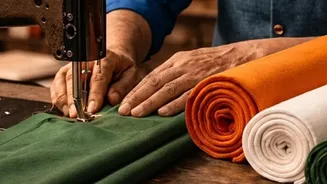
More than just a pattern, Kalamkari is a story told on cloth. This ancient Indian art, whose name means 'pen work', uses natural dyes and intricate techniques to transform simple fabric into a canvas of mythology, nature, and history.
A Story Painted in Time
Kalamkari’s roots
stretch back over 3,000 years to Andhra Pradesh. Its earliest form was deeply connected to storytelling and devotion. Travelling performers, known as 'chitrakars', would wander between villages, using large, painted scrolls to narrate Hindu epics like the Ramayana and Mahabharata to communities. These textiles served as visual aids in temples, hung as backdrops and banners that made mythology accessible to all. While the practice is ancient, the name 'Kalamkari' itself is more recent, a Persian term given during the Mughal era when patrons in the Golconda Sultanate recognised and promoted the craft. This period marked a significant evolution, as the art form absorbed new influences and began its journey from sacred temples to global trade.
The Two Faces of Kalamkari
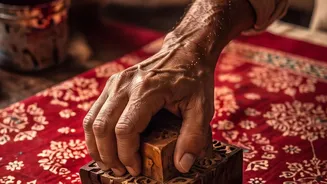
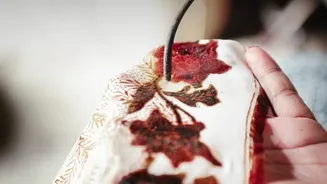
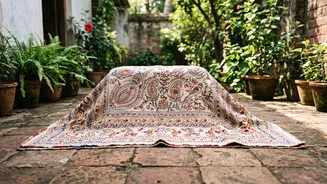
Kalamkari is not a single, uniform style but is primarily known through two distinct traditions, each protected by its own Geographical Indication (GI) tag. The first is Srikalahasti Kalamkari, which remains true to the art's original 'pen-work' name. In this entirely freehand style, artists use a 'kalam'—a special pen made from a bamboo stick—to draw and paint every detail. Rooted in the temple town of Srikalahasti, its themes are overwhelmingly mythological, depicting gods, goddesses, and scenes from the epics. The second style is Machilipatnam Kalamkari, also known as Pedana Kalamkari. This technique incorporates hand-carved wooden blocks to print outlines and motifs. Developed near the port city of Machilipatnam, it was heavily influenced by Persian trade and aesthetics under Mughal patronage. As a result, its designs are often more secular and decorative, featuring floral patterns, paisleys, and the iconic 'Tree of Life' motif.
The Colours of Nature
One of the most defining characteristics of authentic Kalamkari is its exclusive use of natural dyes. The colour palette is earthy and rich, derived entirely from plants and minerals. This commitment to natural materials is at the heart of the art's sustainable and eco-friendly process. Reds are typically derived from the roots of the madder plant, yellows from pomegranate seeds or turmeric, and blue from the indigo plant. The deep black used for outlines is created from a fermented mixture of iron filings and jaggery. Creating these colours is a science in itself, often involving boiling the plant materials for precise amounts of time to achieve the desired shade. This laborious process ensures the colours are not merely applied to the fabric but are chemically bonded with the fibres, which is why true Kalamkari colours deepen and mature with age instead of fading.
A Labour of Love
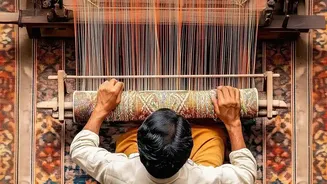
The creation of a single piece of Kalamkari fabric is a painstaking process that can involve up to 23 distinct steps. It begins with the cotton cloth, which is first washed to remove starch and then treated in a mixture of buffalo milk and dried myrobalan fruit. This crucial step, known as mordanting, prevents the natural dyes from bleeding and gives the fabric a uniform, off-white base. Whether using a pen or a block, the artist then applies the various dyes in stages, often with a washing and drying cycle required after each colour application. For example, to create green, an area must first be dyed yellow, dried, and then overlaid with indigo. The fabric is repeatedly washed, often in a running river, to remove excess dye before being dried in the sun, which helps to further brighten the colours. This slow, deliberate method ensures each piece is unique.
Kalamkari in the Modern World
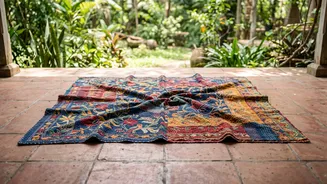
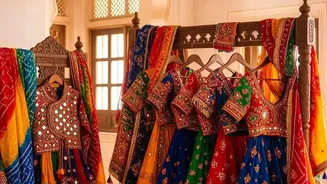
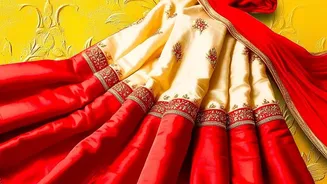
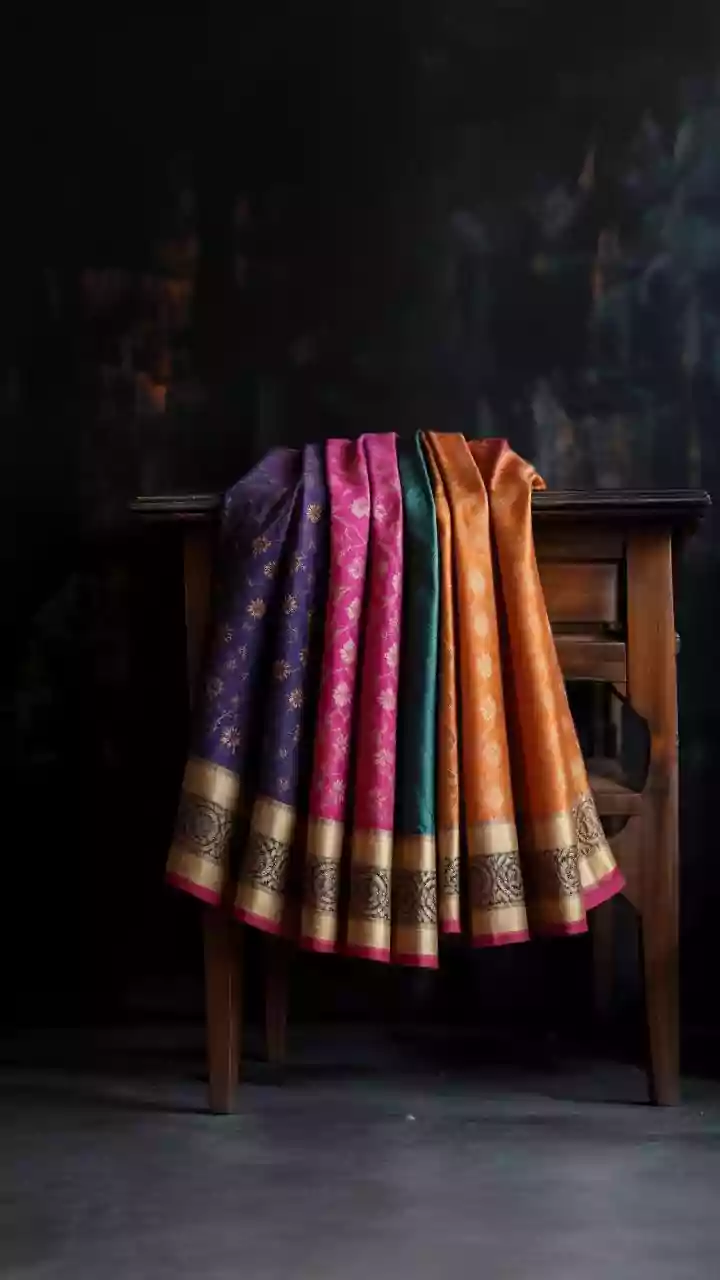
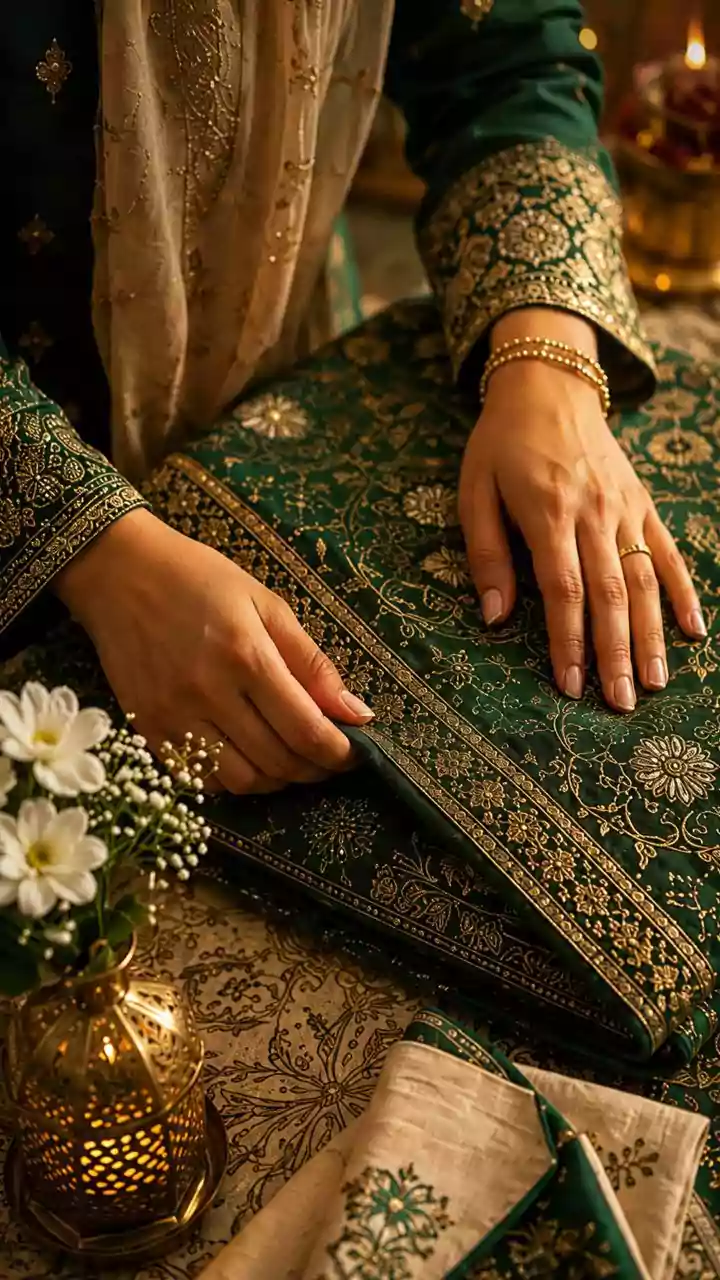
Far from being a relic of the past, Kalamkari is a living, breathing art form that continues to evolve. While it still adorns traditional wear like sarees and dupattas, its intricate patterns and earthy tones have found a home in contemporary fashion and decor. Designers have embraced Kalamkari fabrics for dresses, shirts, and trousers, often pairing the detailed patterns with solid colours for a modern look. Beyond clothing, the art is used for wall hangings, cushion covers, and other home furnishings, bringing a touch of artisanal heritage into modern spaces. This revival, part of the broader slow fashion movement, celebrates the craft's sustainable methods and the unique story embedded in every hand-painted or printed yard.