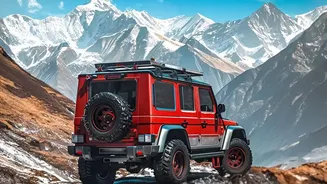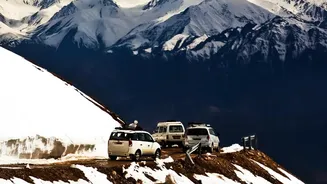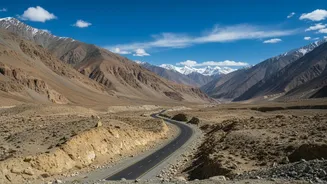




Brakes, Tyres, and Suspension: Your Core Controls
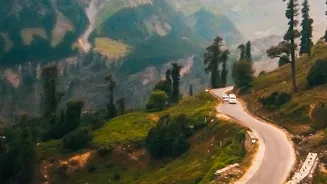
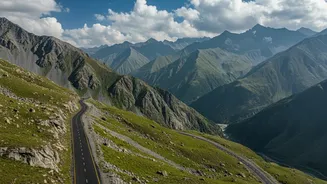
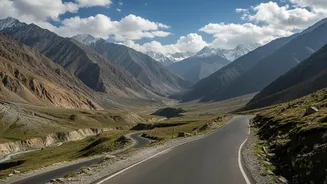
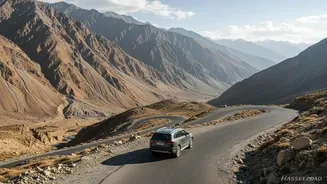
This trio is non-negotiable for the Himalayan terrain. The long, steep descents from high passes like Tanglang La put immense strain on your braking system. Get your brake pads, discs, and brake fluid checked and replaced if necessary. Worn brakes are
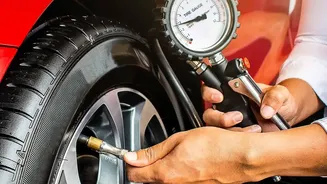
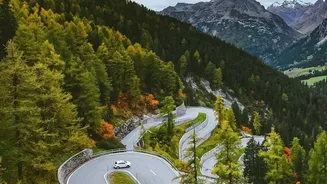
a serious hazard here. Your tyres are the only contact with varied and often treacherous surfaces, from tarmac to gravel and slushy water crossings. Ensure all tyres, including the spare, have at least 70-80% tread depth. Consider all-terrain (AT) tyres for better grip. Finally, have your suspension thoroughly inspected. The route is notorious for rough patches and punishing sections like the Gata Loops, and a weak suspension won't just make the ride uncomfortable—it can lead to damage and loss of control.
Engine and Altitude Performance
At high altitudes, the thinner air has less oxygen, which can cause a noticeable drop in engine power, especially in non-turbocharged petrol cars. Before your trip, get a full engine service. This should include changing the engine oil (synthetic oil is recommended for better performance in temperature extremes), oil filter, and fuel filter. A critical and often overlooked step is to clean or replace your air filter. Dusty conditions can quickly clog it, further starving the engine of air and reducing performance when you need it most on steep ascents. For diesel vehicles, ensuring injector health is also a wise step.
Clutch and Gearbox Health Check
The Manali-Leh highway involves countless gear changes and slow, grinding climbs, especially if you get caught in traffic on steep sections. This is extremely tough on the clutch. Inexperienced drivers or even seasoned ones can burn out a clutch by 'riding' it on inclines. A burnt-out clutch plate is one of the most common breakdowns. If your clutch feels spongy, slips, or is nearing the end of its life, get it replaced before you go. Also, have the gearbox oil level checked and topped up or replaced as per your car's service schedule. Smooth gear shifts are essential for maintaining momentum on difficult climbs.
Electricals and Battery: Your Lifeline in Remote Areas
In the remote stretches between Sarchu and Pang, there are no workshops or towns. Your car’s electrical system is a lifeline. Cold temperatures at high-altitude overnight stops can reduce your battery's effectiveness. If your battery is over three years old, consider replacing it as a precaution. Ensure the terminals are clean and the connections are tight. Check that all lights—headlights, fog lamps, brake lights, and indicators—are fully functional. You may need to drive in low visibility or after dusk, and functional lights are critical for safety. It's also wise to carry extra fuses and bulbs.
Fluids and Leak Inspection
A comprehensive fluid check is mandatory. This means inspecting and topping up engine oil, coolant, brake fluid, and power steering fluid. Overheating is a common issue on the long, high-RPM climbs, so a healthy cooling system is vital. Have your mechanic check all hoses and the radiator for any potential leaks. A small leak can become a major problem in the middle of nowhere. Carry extra coolant and distilled water (not just plain water) with you. Check under the vehicle for any signs of oil or fluid drips after it has been parked overnight following its service.
Essential Spares and Emergency Kit
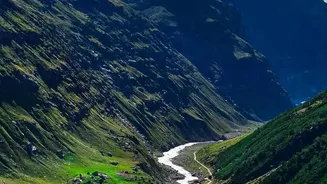
While not strictly 'servicing', assembling an emergency kit is a crucial part of vehicle preparation. The nearest mechanic can be hours away. Your kit should include a reliable tyre inflator and a puncture repair kit, as punctures are very common. Also carry a basic tool kit, jumper cables, and a sturdy tow rope. Essential spare parts to consider are an extra air filter, a set of relevant fuses, and spare headlight bulbs. Given the numerous water crossings, especially during the late monsoon, carrying items to help with traction in slush or mud can also be a trip-saver.