




The Problem with 'Instant Freshness'
Aerosol air fresheners promise a burst of mountain streams or spring meadows, but the reality is often a cocktail of synthetic chemicals. Many of these products release Volatile Organic Compounds (VOCs) into your indoor air. Ingredients like formaldehyde,
petroleum distillates, and phthalates (used to make scents last longer) are common culprits. While a single spritz is unlikely to cause immediate harm, long-term, repeated exposure contributes to indoor air pollution, which can be significantly worse than outdoor air. These chemicals can trigger headaches, respiratory irritation, and allergy symptoms for sensitive individuals. The convenience of a spray can masks a hidden compromise on the quality of the air we breathe most—the air inside our own homes.
Enter Vetiver: The Scent of Tranquility
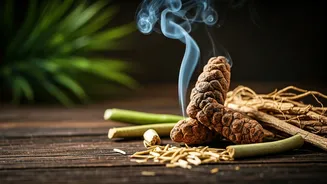
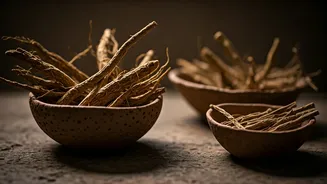
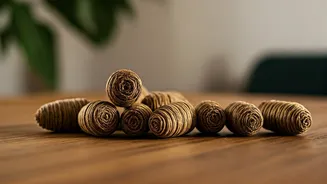
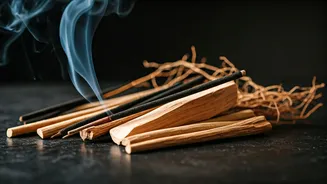
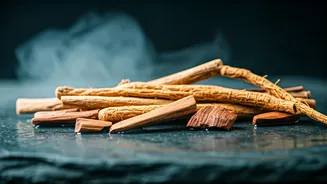
Now, imagine a fragrance that doesn't just cover up odours, but transforms the atmosphere. This is the magic of vetiver, known in India as 'khus'. This tall, perennial grass is famous for its complex root system, which yields one of the most grounding and calming scents in the world of aromatherapy. Its fragrance is deep, woody, earthy, and slightly sweet—a far cry from the one-dimensional florals of chemical sprays. Traditionally, khus roots were woven into mats and curtains, which, when sprinkled with water, would cool the air and release their restorative aroma during hot Indian summers. This wasn't just about scent; it was about creating a feeling of calm and refuge. Vetiver is often called the 'oil of tranquility' for its reputed ability to soothe the nervous system and reduce anxiety.
Why Artisan Incense Cones Matter
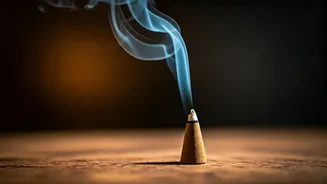
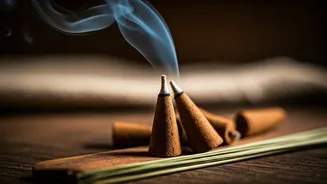
Not all incense is created equal. The cheap, mass-produced sticks you find everywhere are often no better than chemical sprays, made with synthetic perfumes and combustion accelerants that can release their own harmful particulates. The key is to seek out 'artisan' or 'natural' incense. These are crafted with integrity, using traditional methods. Artisan vetiver cones are typically made from a paste of powdered vetiver root, natural wood powders, resins like frankincense or myrrh, and bound together with water or natural gums. They contain no synthetic fragrances, relying solely on the essential oils present in the raw materials. The result is a clean-burning cone that releases a pure, layered scent. The smoke is not a byproduct to be tolerated but an integral part of the experience, carrying the fragrant molecules through your space.
How to Choose and Use Vetiver Cones
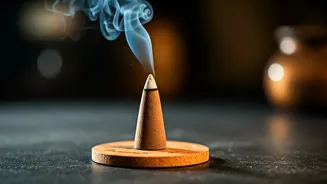
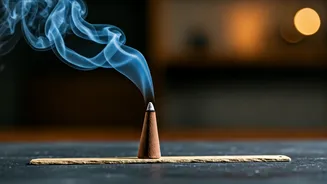
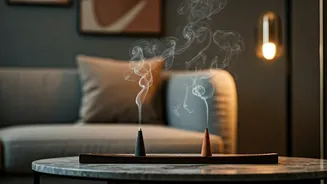
Making the switch is simple once you know what to look for. First, read the ingredients list. It should be short and recognisable, featuring terms like 'vetiver root powder,' 'sandalwood powder,' 'natural resins,' and 'essential oils.' Avoid anything that lists 'fragrance' or 'perfume' without specifying its natural origin. Good quality cones often look less uniform and more rustic than their mass-produced counterparts. When you burn them, the scent should be rich and natural, not sharp or perfume-like. For the best experience, place a cone on a heat-proof dish or holder. Light the tip until it glows, then gently blow out the flame. Let it smoulder, allowing the gentle plume of smoke to scent your room. Always ensure good ventilation by cracking open a window, which allows the air to circulate without dissipating the beautiful aroma too quickly.