


![[WATCH] 'Hookah pee ke aa raha hoon' - MS Dhoni's candid remark to Rishabh Pant goes viral](https://g-mob.glance-cdn.com/public/fc/image/TDfS7ES_jTn0.webp)
The End of Distance
The single biggest shift social media introduced was the removal of the invisible wall between stars and their supporters. Previously, cricketers were distant figures, seen only on the field or in rare interviews. Now, platforms like Instagram, X (formerly
Twitter), and YouTube offer a direct, unfiltered window into their lives. Fans can see their favourite player's training routines, holiday pictures, and personal thoughts, creating a sense of intimacy and connection that was previously unimaginable. This accessibility has humanized athletes, transforming them from remote heroes into relatable personalities. A 2026 study highlighted that a staggering 88% of Indian fans prefer receiving team updates via social media, and 87% feel more connected through regular access to players and behind-the-scenes content. This direct line of communication makes the fan feel like a part of the player's journey, fostering a deeper, more personal loyalty.
The Rise of Fan Armies
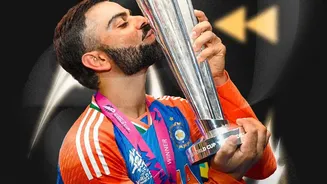
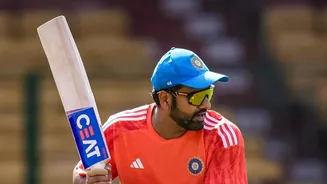
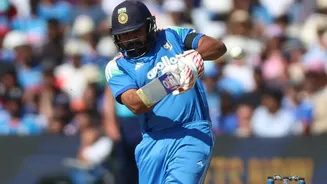
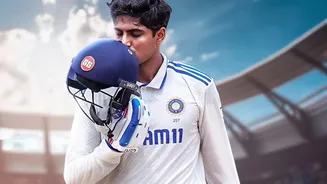
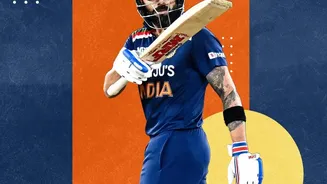
This newfound connectivity has allowed fans to organize like never before. Fandom is no longer just a personal feeling; it's a collective identity. Online 'fan armies' dedicated to specific players like Virat Kohli, MS Dhoni, or Rohit Sharma have become a powerful force. These groups coordinate social media campaigns, drive trending hashtags to show support, and defend their idols against criticism. Organizations like the Bharat Army, which started as a small group of fans in 1999, have transformed into professional enterprises that organize thousands of fans in stadiums globally. While this creates a powerful sense of community and belonging, it has also led to a significant shift from team-centric to player-centric loyalty. For many, the performance of their favourite player now matters more than the team's result, a trend amplified by the city-based loyalties of the Indian Premier League (IPL).
The Double-Edged Sword of Passion
While social media has amplified the love, it has also given a powerful megaphone to the uglier side of fandom. The same passion that leads to trending hashtags and packed stadiums can curdle into toxic abuse when a player or team underperforms. Cricketers and their families often face vicious trolling, personal attacks, and even threats. Female players and the wives and girlfriends of male cricketers are frequent targets of misogynistic abuse, often blamed for on-field failures. The anonymity of social media emboldens this behaviour. This dark side of devotion has created immense mental pressure on players, who are now exposed to a constant stream of public opinion. In some cases, criticism has taken on a communal nature, with players from minority communities facing slurs that question their national loyalty after a poor performance.
The New Fan Economy
This intense digital engagement has not gone unnoticed by brands and franchises. Cricket fandom is no longer just a cultural phenomenon; it's a year-round digital economy. Digital platforms are now key commercial environments. With nearly 90% of fans using a second screen while watching matches, the opportunities for engagement are massive. The rise of fantasy sports platforms has further gamified the experience, turning passive viewers into active participants who are deeply invested in player statistics. Teams use social media for everything from launching new jerseys to running interactive polls and quizzes. Players leverage their huge followings for lucrative brand endorsements, which feel more authentic and personal to their followers. This ecosystem means that fan attention, whether positive or negative, is a currency that fuels the multi-billion dollar industry surrounding Indian cricket.