






1. Ignoring Food and Water Safety
That roadside stall selling delicious, hot snacks seems extra tempting in the rain, but this is the riskiest time for street food. The high humidity and presence of contaminated water increase the chances of bacterial growth, leading to illnesses like
typhoid, cholera, and diarrhoea. Water-logging can contaminate municipal water supplies, so boiling water before drinking is non-negotiable. Avoid raw vegetables in salads and opt for thoroughly cooked, hot meals. It's also wise to be cautious with pre-cut fruits sold on the street, as they may have been washed with unclean water or exposed to flies.
2. Driving or Riding Through Waterlogged Streets
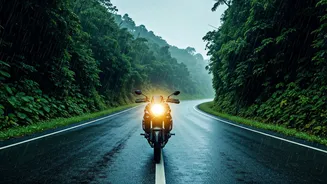
It’s a common sight: a car or bike stalled in the middle of a flooded underpass. Many drivers underestimate the depth and danger of waterlogged roads. Driving through deep water can cause your engine to hydro-lock, a catastrophic failure where water enters the combustion chamber, leading to expensive repairs. For two-wheelers, submerged potholes and debris pose a serious threat. The water can also short-circuit your vehicle’s electrical systems. The golden rule is simple: if you can't see the road surface, don't drive through it. It's better to be late than to be stranded or, worse, in an accident.
3. Neglecting Electrical Safety
Water and electricity are a deadly combination. A common mistake is operating switches with wet hands or standing on a damp floor while handling electrical appliances. During heavy rain and lightning, unplugging sensitive electronics like TVs, laptops, and Wi-Fi routers can protect them from power surges. Be extremely cautious of water seepage near switchboards and wiring. Outside, stay far away from downed power lines, which can energise puddles of water around them. Teach children about these dangers and ensure any outdoor electrical fittings are properly insulated and waterproof.
4. Creating Mosquito Breeding Grounds
We all know that stagnant water is a breeding ground for mosquitoes that spread dengue, malaria, and chikungunya. But we often miss the most common culprits around our own homes. It’s not just about large puddles. Check for water collecting in discarded tyres, flowerpot saucers, air cooler trays, and even small plastic containers on your balcony or terrace. A capful of stagnant water is enough for Aedes aegypti mosquitoes to breed. Make it a weekly habit to do a 'drain and dry' check around your property to eliminate these potential hotspots.
5. Wearing the Wrong Footwear
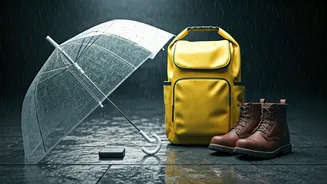
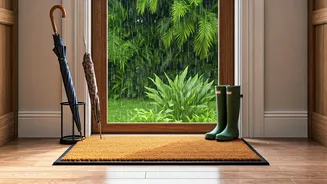
While flip-flops might seem convenient, they are a terrible choice for navigating rainy, dirty streets. Walking through contaminated puddles with open-toed footwear exposes your feet to a cocktail of germs, increasing the risk of fungal infections and, more seriously, leptospirosis—a bacterial disease transmitted through animal urine in soil and water. Opt for waterproof, closed-toe shoes or rubber boots that offer better protection and grip on slippery surfaces. Always wash your feet thoroughly with soap and water after coming home.
6. Forgetting About Home Maintenance
Many monsoon problems can be prevented with a little bit of foresight. A frequent mistake is waiting for the first heavy downpour to discover a leaking roof or a clogged drain. Before the season peaks, get your roof and walls checked for cracks that could lead to seepage and dampness, which promotes mould growth. Clear out your drains and gutters of leaves and debris to prevent water from overflowing and damaging your home's foundation. Taking these pre-monsoon measures can save you a lot of trouble and expense later on.