







As the seasons turn, the ritual of packing away our beloved woollens begins. But improper storage can lead to musty smells, mildew, or even insect damage. Protecting your cosy sweaters and shawls is simpler than you think.
The Golden Rule: Always Clean First
The single most important step
before storing any woollen garment is to ensure it is perfectly clean. Moths and other pests are not primarily attracted to the wool fibre itself, but to the invisible traces of body oils, sweat, food particles, and stains left on the fabric. These residues become a food source for moth larvae, which are responsible for creating those dreaded tiny holes. Even a sweater that looks and smells clean after a single wear can harbour enough organic material to attract pests during its long hibernation. Before packing anything away, either hand wash it, run it through a gentle machine cycle, or have it professionally dry-cleaned according to the care label. This simple act is your first and best line of defence.
Ensure Everything is Bone Dry
Moisture is the arch-nemesis of stored clothing. Even a slightly damp garment packed away in a sealed environment can lead to mildew, a persistent musty odour, and fabric degradation. Wool is highly absorbent and can hold moisture without feeling wet to the touch. After washing, gently squeeze out excess water—never wring or twist the fabric, as this can damage the fibres. Roll the garment in a clean, thick towel to absorb more water, then lay it flat on a fresh towel or a mesh drying rack. Keep it away from direct sunlight or high heat, which can cause fading or shrinkage. Allow ample time for it to dry completely, which might take a day or more. Patience in this step is crucial for preventing a mouldy surprise months later.
Fold, Don’t Hang
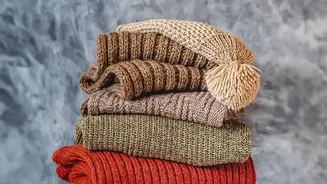
When it comes to knitwear, gravity is not your friend. Hanging heavy woollen sweaters and cardigans for months on end will cause them to stretch and lose their shape, leaving you with distorted shoulders and a longer-than-intended garment. The best method for most woollens is to fold them neatly. Lay heavier items at the bottom of a stack and lighter ones on top, but avoid creating tall piles that could crush the fibres of the garments at the bottom. Structured wool items like coats and jackets are the exception; they should be stored on sturdy, wide, or padded hangers that can support their shape.
Choose the Right Storage Location and Container
The ideal storage environment is cool, dark, dry, and well-ventilated. Attics and basements are often poor choices due to their fluctuating temperatures and higher humidity levels. A closet in the main part of your house is usually a safer bet. When it comes to containers, breathability is key for longterm storage. Using cotton or canvas garment bags allows air to circulate, which prevents moisture from getting trapped inside. While plastic bins provide a strong barrier against pests, they can also trap humidity if the clothes are not perfectly dry, potentially leading to mildew. If you use plastic bins, adding silica gel packets can help absorb any ambient moisture. Vacuumsealed bags save space but should be used with caution for wool; the intense compression can crush the natural loft of the fibres and create permanent creases. They are better suited for shortterm situations rather than a full season of storage.
Add a Natural Defence
You can bolster your defences with natural repellents that deter pests. Cedar and lavender are the most popular choices. The strong scent from cedarwood blocks or balls can disrupt a moth's ability to find your clothes. Lavender offers a gentler aroma and also has repellent properties. You can place cedar blocks, hangers, or lavender sachets in your storage containers, ensuring they don't directly touch the fabric to avoid any potential oil stains. Remember that these natural scents fade over time. To maintain their effectiveness, you may need to lightly sand the cedar every few months or squeeze the lavender sachets to release more of their essential oils.