


What Defines a Textured Pixie?
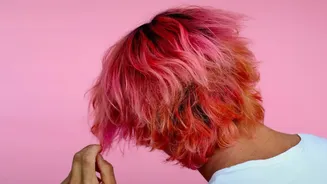
Unlike a classic pixie that can be uniform and smooth, a textured pixie is all about strategic, choppy layers. This modern take on the short haircut features cropped sides and back with slightly more length on top, but the key difference is the use of
layers to create movement, softness, and volume. This 'lived-in' look is intentional, designed to look effortlessly styled rather than perfectly coiffed. The texture is what makes the cut versatile, allowing it to be styled in various ways, from a soft, piecey look to a more voluminous, tousled crown. The layering does most of the work, meaning your daily styling routine can be significantly shorter.
Is This Cut Right for You?
The great news is that a pixie cut can be tailored to flatter almost any face shape and hair type. For rounder faces, a pixie with more height and texture on top can help elongate features. If you have a more angular or square jawline, softer, wispier layers can balance your features beautifully. Hair texture is also a crucial consideration. Fine hair benefits immensely from a textured pixie, as the layers can create the illusion of fullness and volume. For those with thick hair, a stylist can use internal layering techniques to remove bulk and weight, making the style more manageable. Even curly and wavy hair can be shaped into a stunning pixie that showcases natural patterns.
The Salon Visit: What to Ask For
Clear communication with your hairstylist is key to getting the pixie of your dreams. Instead of just asking for a 'pixie', bring inspiration photos that show the kind of texture you like. Use descriptive words like 'choppy layers', 'soft and piecey', or 'volume at the crown'. Be sure to discuss your hair type and daily routine. For fine hair, you might ask for layers that create lift without thinning the hair too much. For thick hair, you can request that the stylist 'remove weight' or 'add internal layers' to prevent a bulky look. Mentioning your face shape and asking how the cut can be tailored to flatter it will also help your stylist create a truly customized look.
Effortless Everyday Styling
Styling a textured pixie is often quicker than managing long hair. Most days, you can reactivate yesterday's product with slightly damp hands and be ready to go. For a fresh start, a simple routine works best. Start with damp hair and apply a pea-sized amount of a styling product like a texture paste, pomade, or volumizing mousse. Warm the product between your palms and work it through the top layers and ends. For a classic piecey look, twist small sections of hair to define the layers. If you have fine hair, a matte paste can add body without shine. For thicker or drier hair, a pomade or cream can add softness and control frizz. The goal is strategic placement; avoid overloading your short hair with product, which can weigh it down.
From Casual to Chic
One of the best things about a textured pixie is its versatility. For a casual, everyday look, a quick tousle with some texture spray is all you need. To create a more polished and sleek style for the office or an evening out, you can use a small amount of smoothing serum or a light gel and comb the hair into a more defined shape. For a dramatic flair, try a side-swept fringe, which adds a touch of retro glamour. You can also slick the hair back for a high-fashion, wet look that is both edgy and sophisticated. A little product and a few minutes are all it takes to completely transform the mood of your cut.
Keeping Your Pixie Perfect
While daily styling is a breeze, short hair does require regular maintenance to keep its shape. A pixie cut grows out quickly, so booking a trim every four to six weeks is essential to keep the lines sharp and prevent it from looking overgrown. Between cuts, focus on hair health. Even though it's short, your hair still benefits from a lightweight conditioner to stay soft and manageable. Using a heat protectant spray before blow-drying is also a must to prevent damage, especially since short hair styling often involves working close to the scalp.