




The Great Indian Energy Crash
That drowsy, sluggish feeling that follows a snack is often called a 'sugar crash' or post-meal fatigue. It happens when you consume foods that have a high glycemic index (GI), meaning they release sugar into your bloodstream very quickly. Maida, or refined
white flour, is a primary offender. When you eat a maida-based snack, your body gets a rapid surge of glucose. In response, your pancreas releases a large amount of insulin to move this sugar into your cells for energy. However, this aggressive insulin response can 'overshoot', causing your blood sugar to drop just as quickly as it rose. This sudden drop is what leaves you feeling tired, irritable, and often craving more sugary snacks to get another energy hit.
Understanding The Maida Trap
Maida is made by stripping wheat of its most nutritious parts—the bran and the germ. This process removes nearly all the dietary fibre, vitamins, and minerals. What's left is a fine, starchy powder that your body digests almost instantly, much like table sugar. The lack of fibre is a crucial problem. Fibre slows down digestion, which in turn helps to moderate the release of sugar into the blood. Without fibre, maida-based foods cause the sharp blood sugar spikes and subsequent crashes that lead to metabolic slumps. Over time, this constant cycle can strain your system and contribute to more serious issues like insulin resistance.
Enter Heritage Millets, The Smart Carb
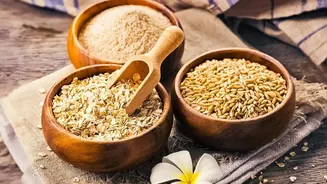
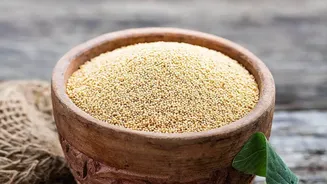
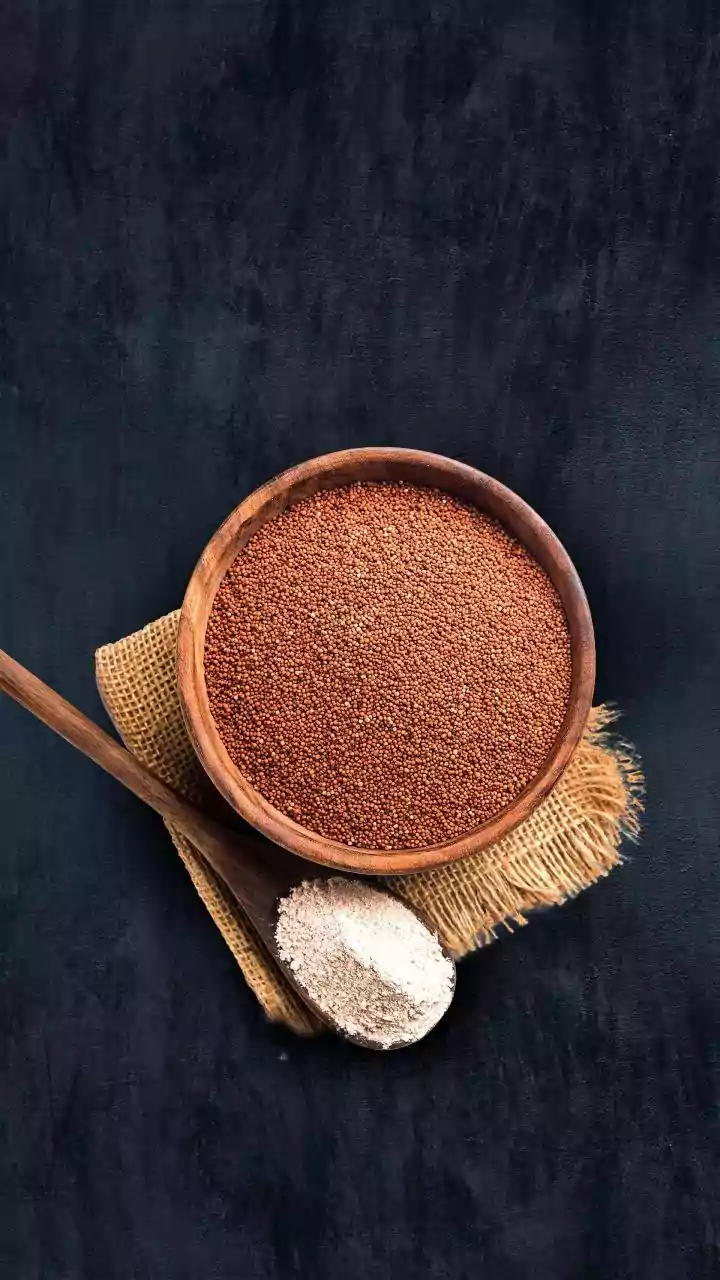
The solution to the evening slump lies in an ancient food source that is making a powerful comeback: heritage millets. Grains like jowar (sorghum), bajra (pearl millet), and ragi (finger millet) are what nutritionists call 'complex carbohydrates'. Unlike the 'simple' carbs in maida, millets are packed with dietary fibre and nutrients that were stripped away from refined flour. Millets are naturally gluten-free and loaded with essential minerals like iron, magnesium, and phosphorus, along with B-vitamins. Their nutritional density makes them a far superior choice for maintaining stable energy.
The Science of Sustained Energy
The key to preventing the metabolic slump is the high fibre content in millets. This fibre forms a gel-like substance in the digestive tract, which slows down the breakdown of carbohydrates into glucose. As a result, sugar is released into your bloodstream slowly and steadily, providing you with sustained energy over a longer period. This eliminates the dramatic spike-and-crash cycle associated with maida. Instead of a quick burst followed by fatigue, you get a stable supply of fuel that keeps you feeling alert and productive through the rest of your evening. This also helps you feel full for longer, reducing the urge to overeat.
Reimagining Your Teatime Snack Plate
Making the switch from maida to millets doesn't mean giving up your favourite snacks. It’s about reimagining them. Instead of maida-based mathri, you could try baked ragi chakli or almond-millet mathi. Swap your usual biscuits for nutrient-dense ragi cookies or jowar crackers. Other delicious and healthy options include mixed millet bhel puri, baked jowar puffs, and millet murukku. Many traditional snacks can be easily adapted. For instance, you can make appe with samak (barnyard millet) or prepare cutlets using a mix of millets and vegetables. These snacks are not only tastier but also contribute positively to your overall health.