




Why Rain and Humidity Wreak Havoc
Monsoon rain is not just pure water; in urban areas, it collects pollutants and acidic particles from the atmosphere. This can disrupt your scalp's natural pH balance, leaving a residue that dulls shine and weakens the hair cuticle. The high humidity
in the air then causes the hair shaft to swell as it absorbs excess moisture, leading to the dreaded frizz. Furthermore, hair is at its most fragile when wet, making it highly susceptible to breakage from rough handling.
First Step: A Gentle Rinse and Squeeze
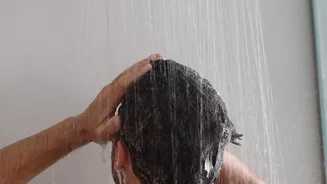
The first rule after getting drenched is not to let the rainwater sit in your hair. As soon as you get home, rinse your hair thoroughly with clean, lukewarm water to wash away pollutants. Follow up with a gentle, sulfate-free shampoo if needed. Afterwards, resist the urge to vigorously rub your hair with a regular towel. This friction roughens up the hair cuticle and is a primary cause of frizz and breakage. Instead, use a soft microfiber towel or an old cotton t-shirt to gently squeeze or pat the excess water out of your hair. This method absorbs water effectively without causing damage.
Detangle with Patience and the Right Tool
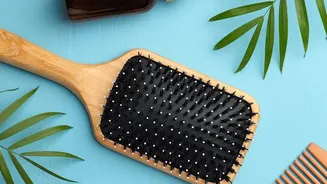
Since wet hair is weak and prone to snapping, never attack tangles with a brush. The best tool for the job is a wide-tooth comb. Start detangling from the ends of your hair and gradually work your way up to the roots. This technique prevents you from pulling on knots and causing unnecessary breakage. Applying a leave-in conditioner or detangling spray can provide extra slip, making the process smoother and protecting your fragile strands.
The Air-Drying Versus Blow-Drying Dilemma
When it comes to drying, you have two main options: air-drying or blow-drying. Air-drying is the gentlest method as it involves no heat, but there's a catch. During the monsoon's high humidity, hair can take hours to dry, leaving it swollen and vulnerable for a prolonged period. On the other hand, while a blow-dryer is fast, high heat can strip moisture and cause damage. The optimal solution often lies somewhere in between. A combination of partial air-drying followed by a low-heat blow-dry can be effective.
Mastering the Art of Air-Drying
If you choose to air-dry, do it strategically. After detangling, apply a lightweight, anti-frizz serum or leave-in cream to seal the hair cuticle and provide a barrier against humidity. This helps control frizz as your hair dries. To encourage airflow and speed up the process, you can gently fluff your roots with your fingers. Most importantly, once you've applied your product, try to avoid touching your hair too much. Constant scrunching or flipping can disrupt your hair's natural pattern and create more frizz.
Using a Blow-Dryer the Smart Way
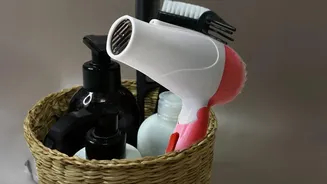
If you're short on time, a blow-dryer is a practical choice. The key is to minimize heat damage. Always apply a heat protectant spray first. Use your dryer on a low heat and low speed setting. For curly or wavy hair, a diffuser attachment is a game-changer. It disperses the airflow evenly, which helps to dry your curls without disrupting their pattern and causing frizz. Hover the diffuser around your hair rather than blasting one section for too long. This approach gives you a quicker drying time without the damaging effects of high, concentrated heat.