



What Are Botanical Beverages?
First, let's define the term. 'Botanical' simply refers to anything derived from plants, including herbs, flowers, spices, roots, and fruits. In the beverage world, this translates into drinks infused with ingredients known for their flavour and aromatic
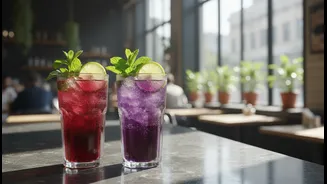
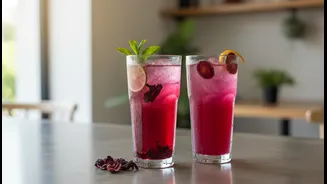
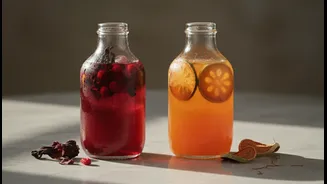
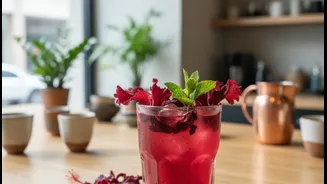
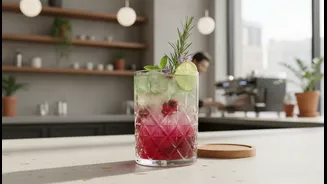
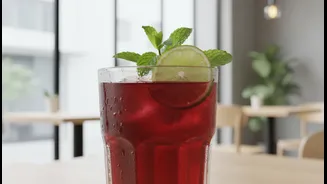
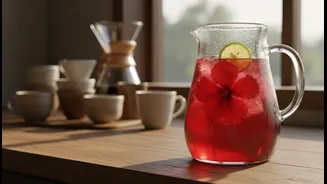
qualities, such as hibiscus, elderflower, ginger, tulsi, and ashwagandha. These are not your grandmother's kadhas, but sophisticated, modern formulations. The 'craft' element points to smaller-batch production with a focus on quality ingredients and unique flavour combinations, while 'low-sugar' highlights a conscious move away from the high-fructose syrups that dominated café menus for years. Think sparkling waters with a hint of lavender, or a tonic infused with grapefruit and rosemary.
The Post-Pandemic Wellness Wave
The primary driver behind this trend is a massive shift in consumer priorities towards health and wellness. Post-pandemic, urban Indians are more mindful of what they consume, actively seeking out products that do more than just quench thirst. There's a growing demand for 'functional beverages'—drinks that offer perceived health benefits like digestive support, stress relief, or an immunity boost. Consumers are increasingly literate about ingredients, scanning labels to avoid artificial additives and high sugar content. This has created a fertile market for drinks that are positioned as natural, clean-label, and beneficial, making low-sugar botanical options an easy choice for the health-conscious customer.
An Appeal to the Modern Palate
This isn't just about being healthy; it's also about a more refined taste experience. As palates evolve, many find traditional sodas and sugary mocktails to be one-dimensionally sweet. Botanical drinks, on the other hand, offer complex, layered flavours—they can be floral, herbaceous, spicy, or tart. This complexity appeals to consumers, including the growing 'sober curious' segment, who want a sophisticated, adult non-alcoholic option that feels like a treat. Cafes and restaurants are responding with technique-driven menus, using infusions and unique pairings that make these drinks as interesting and craft-focused as artisanal coffee or cocktails.
The Revival of Indian Ingredients
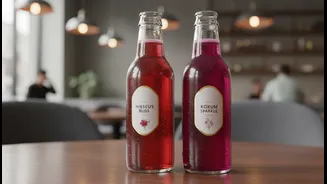
A fascinating part of this trend is the modern revival of traditional Indian ingredients. While global botanicals like chamomile and elderflower are popular, there is a renewed appreciation for Ayurvedic and local herbs. Ingredients like tulsi (holy basil), ashwagandha, turmeric, and kokum are being incorporated into modern ready-to-drink formats. This trend taps into a sense of cultural pride and familiarity. For Indian consumers, these ingredients are not just exotic flavours but are associated with generations of wellness wisdom, giving local brands a unique advantage and a powerful story to tell.
A Smart Choice for Cafes
For café owners, embracing this trend is a strategic business decision. Offering premium, low-sugar botanical drinks allows them to cater to the growing wellness market and command a higher price point than conventional soft drinks. These visually appealing beverages are also highly 'Instagrammable', generating organic social media marketing. Furthermore, by offering unique, house-made botanical sodas or partnering with craft beverage brands, cafes can differentiate themselves from the competition. It meets a direct consumer demand, as people are not just willing but eager to trade up from a generic cola to a thoughtfully crafted hibiscus and lime sparkling water.