






The Power of a Post-Meal Stroll
The advice to walk after eating is centuries old, and modern science backs it up. Engaging in light physical activity after a meal has proven benefits, particularly for managing blood sugar. When you walk, your muscles use glucose for energy, pulling
it from your bloodstream. This helps prevent the sharp blood sugar spikes that can occur after eating. Studies have shown that even a short walk of 10 to 15 minutes can make a significant difference, and that walking shortly after a meal is often more effective for glucose regulation than a single longer workout done at another time of day. Beyond blood sugar, this simple habit aids digestion by stimulating the stomach and intestines, which can help reduce common discomforts like bloating and gas. Regular post-meal walks also contribute to better heart health by helping to regulate blood pressure and lower bad cholesterol over time.
Your Mindset Shapes the Outcome
Here's where it gets interesting: the physical benefits are only part of the story. The headline's claim hinges on a psychological principle known as the placebo effect, or more broadly, the power of mindset. Research indicates that how we perceive an activity can change its physiological and psychological impact. A landmark study found that hotel cleaning staff who were informed that their daily work was equivalent to good exercise showed significant health improvements—like weight loss and lower blood pressure—compared to a control group, without changing their behaviour. When an activity is framed as "exercise" or a chore, our brains can react differently. It might feel more strenuous, and studies show it can even lead to compensatory behaviours, like eating more later because you feel you've "earned" it. Perceiving movement as a burden can reduce enjoyment and make you less likely to stick with it.
From 'Workout' to 'Wind-Down'
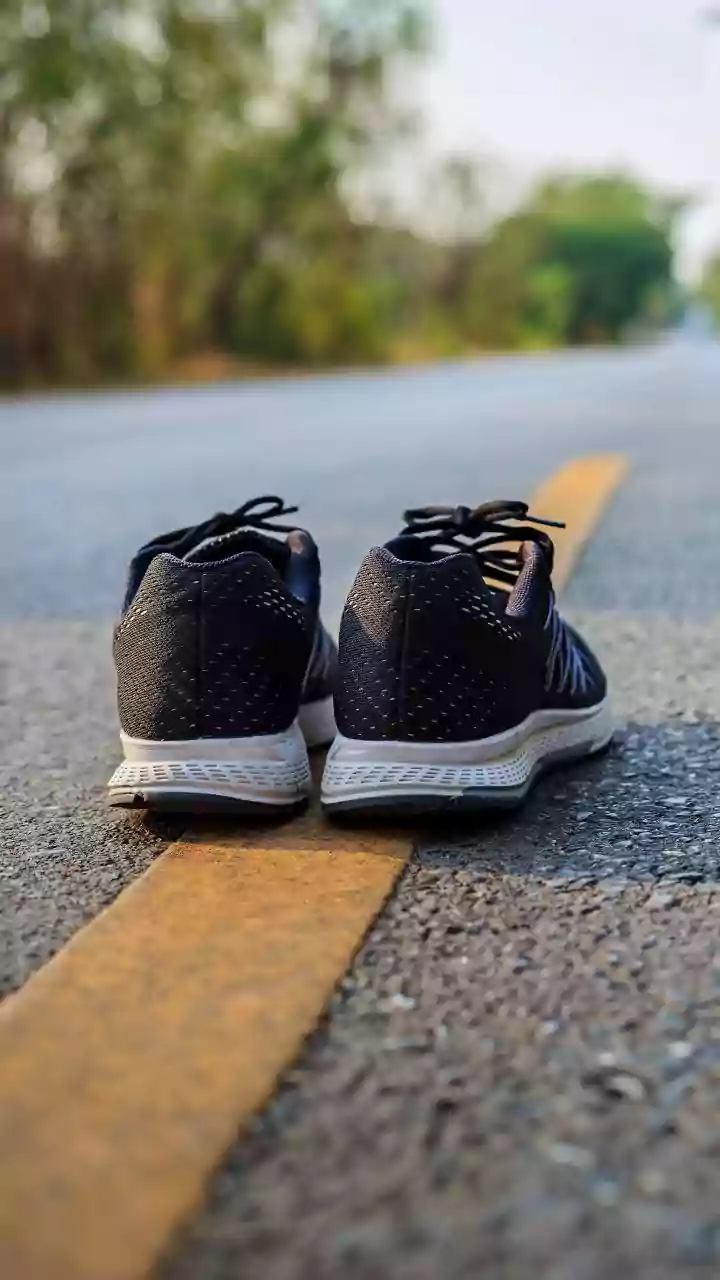
The key is to integrate walking so seamlessly into your post-meal routine that it doesn't register as a formal workout. Think of it not as a task to be checked off, but as a natural conclusion to your meal—a transition period to the next part of your day. This means letting go of the "all or nothing" mentality. You don't need special workout clothes, a fitness tracker, or a specific pace. The goal is to simply move your body. Instead of gearing up for a power walk, reframe it as a moment to unwind, digest, and clear your head. This mental shift from 'performance' to 'pleasure' can make the activity feel less effortful and more sustainable in the long run. By viewing it as a relaxing habit, you're more likely to do it consistently, which is where the real, long-term health benefits accumulate.
How to Make It a Seamless Habit
Making a post-meal walk feel normal is about attaching it to your existing routine and finding ways to make it enjoyable. After dinner, for example, instead of immediately moving to the sofa, make it a habit to walk around the block. You can enhance the experience by pairing it with something you enjoy, like listening to a podcast, an audiobook, or your favourite music. Better yet, make it social. Suggest a stroll with the family members or friends you just shared the meal with. Another strategy is to give the walk a light purpose. Perhaps you walk to a nearby postbox, take the dog out for a brief tour of the neighbourhood, or simply walk to a favourite bench to sit for a few minutes before heading home. The key is to make it feel like a natural, low-effort extension of your life, rather than a demanding addition to your schedule.