






A Welcome, But Small, Respite
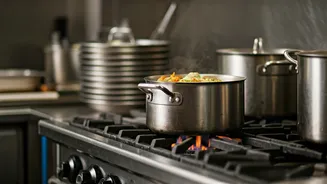
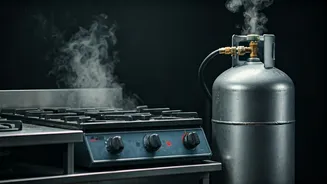
On July 1, 2026, oil marketing companies announced the first reduction in commercial LPG cylinder prices this year, cutting rates by about ₹183 per 19-kg cylinder. This was a welcome development for the hospitality sector, which has been grappling with
soaring energy costs. For many restaurants, fuel can account for up to 15% of kitchen expenses. However, industry leaders were quick to point out that this reduction, while helpful, is a small step. Restaurateurs noted that previous price hikes were far more substantial, and this single cut is unlikely to trigger an immediate drop in menu prices. They argue that after absorbing significant losses and higher costs for months, this relief isn't enough to pass on to consumers just yet.
The Persistent Problem of Ingredient Costs
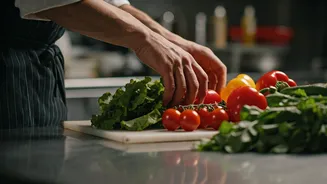
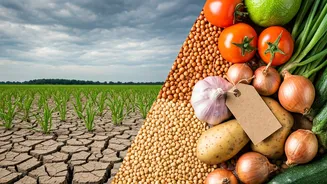
Beyond the cost of cooking gas, the price of what goes into the dishes remains a primary concern. Food inflation has been a significant challenge. As of May 2026, the cost of food at the producer level was 35% higher than pre-pandemic levels. While the overall food price index saw a minimal year-on-year change, the prices of individual commodities tell a different story. The costs of essentials for Indian kitchens like fresh vegetables, oils, and milk have remained high. Restaurant owners have pointed to the rising prices of chicken, fish, paneer, and even mutton as major contributors to their increased input costs, forcing many to raise menu prices earlier this year.
Operational Overheads and Labour
A restaurant's bill is not just the sum of its ingredients. Operational expenses, including rent for commercial properties, electricity, and regulatory compliance, form a large chunk of the costs. These expenses have been steadily rising. Furthermore, the human element is a significant factor. The restaurant industry is a major employer, and rising wages and a competitive labour market add to the financial pressure. After a period of uncertainty, retaining skilled staff often means offering better pay and benefits, costs which are inevitably factored into the operational budget.
The GST Factor
The Goods and Services Tax (GST) is another fixed component of your bill that restaurants have no control over. For most standalone restaurants, including those offering takeaway, a 5% GST is applied. Crucially, under this slab, restaurants cannot claim Input Tax Credit (ITC), which means they cannot offset the GST they pay on their own supplies, like raw materials and rent. For restaurants in high-end hotels (where room tariffs exceed ₹7,500), the GST rate is 18%, but they are allowed to claim ITC. This tax structure, while simplified from the previous regime, means a fixed percentage is always added to the customer's food cost.
Why Prices Tend to be 'Sticky'
Economists often talk about 'sticky' prices, which means prices are slow to come down even when costs fall. Restaurant owners are often hesitant to lower menu prices after a temporary dip in one of their many costs. There is no certainty that gas or vegetable prices won't shoot up again next month. Constantly changing menu prices can confuse and alienate customers. Therefore, businesses prefer to maintain price stability. They would rather absorb a small cost reduction to recover from previous losses or build a buffer for future volatility than pass on a small, and possibly temporary, saving to the consumer.