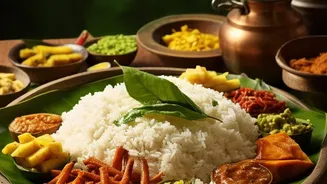


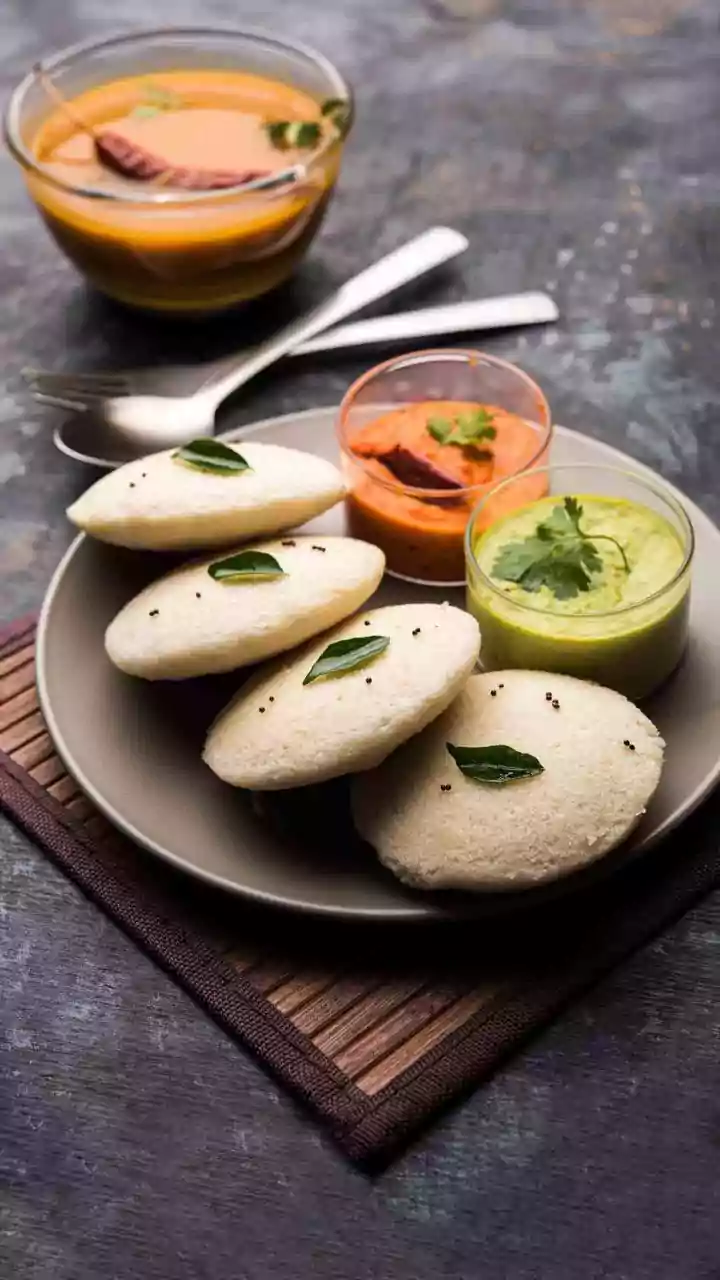

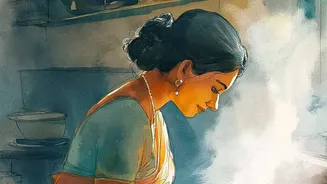
In the hustle of modern city life, a quiet revolution is taking place in Indian kitchens. Tired of takeout and processed foods, a growing number of urban households are looking backwards to move forwards, embracing family recipes.
The Return to Roots
In cities across India,
the glow of the smartphone screen ordering dinner is slowly being replaced by the warm glow of the kitchen stove. After years of prioritising convenience, many urban families are making a conscious shift back to home-cooked meals. But this isn't just about cooking; it's about curating a connection to the past. The stars of this movement are not trendy superfoods from overseas, but time-tested 'dadi' and 'nani' recipes pulled from handwritten diaries and long-distance phone calls. These heirloom recipes, once considered ordinary, are now being celebrated as a vital link to family history and cultural identity. This revival is more than just nostalgia; it's a deliberate choice to embrace authenticity in a world of fleeting trends.
A Prescription for Modern Ailments
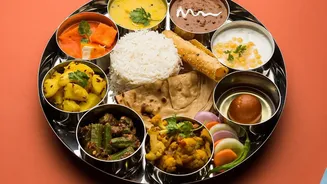
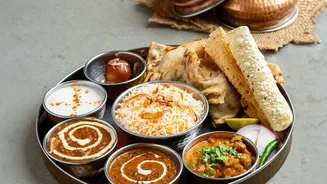
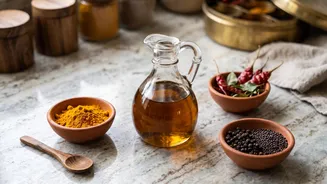
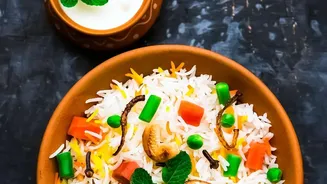
A significant driver of this trend is a growing awareness of health and wellness. Many urban dwellers are grappling with the effects of a fast-paced lifestyle, from burnout to digestive issues. Traditional Indian home cooking, with its emphasis on fresh ingredients, balanced food groups, and gut-friendly spices like turmeric, cumin, and ginger, is seen as a natural antidote. These meals are inherently designed for our bodies and climate, providing balanced nutrition without the preservatives, excessive oils, and artificial additives often found in restaurant or packaged foods. A simple plate of dal, rice, and a seasonal vegetable dish is a powerhouse of complex carbohydrates, plant-based protein, and essential fibre, contributing to stable energy levels and better digestive health.
Heritage on a Plate
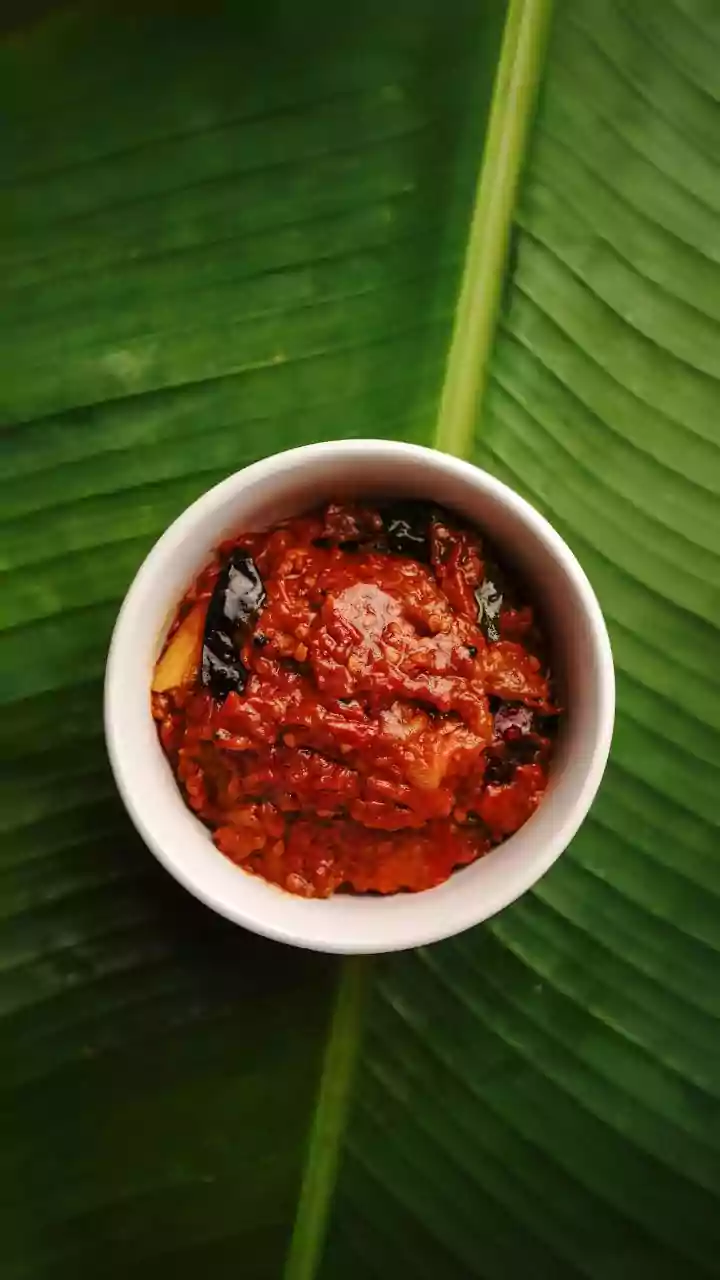
Cooking a family recipe is about more than just nutrition; it's an act of preserving heritage. Each dish—whether it's a specific region's 'kadhi', a perfectly spiced 'kosha mangsho', or a comforting 'mutton ishtew'—carries the stories and culinary wisdom of generations. For many millennials and Gen Z, who may live far from their ancestral homes, recreating these dishes is a powerful way to connect with their roots. This movement has been bolstered by a new generation of chefs and food enthusiasts acting as 'culinary archaeologists', travelling the country to unearth and document these fading traditions. This has elevated regional and home-style cooking, once seen as old-fashioned, to an aspirational status, celebrated for its authenticity and depth.
Modern Twists on Old Classics
This return to tradition doesn't mean a rejection of modernity. In fact, technology often plays a crucial role. A grandmother's recipe for 'baingan bharta' or 'pav bhaji' might be shared over a video call, a complex technique clarified through a quick message, and the entire process documented on social media for others to discover. Modern kitchen appliances are used to make the laborious parts of traditional cooking faster and more manageable for a busy schedule. Chefs in urban centres are also reinterpreting these classic dishes with contemporary techniques and plating, introducing them to a new audience without losing their soulful essence. This fusion of old and new ensures that these culinary traditions don't just survive but evolve and thrive in the modern Indian home.