

The Main Attraction: A Lingering Meteor Shower
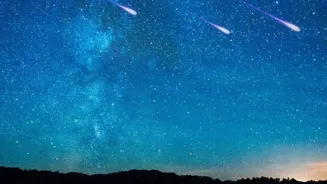
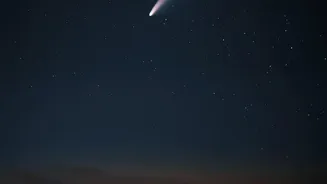
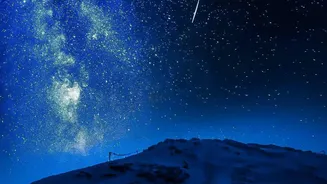
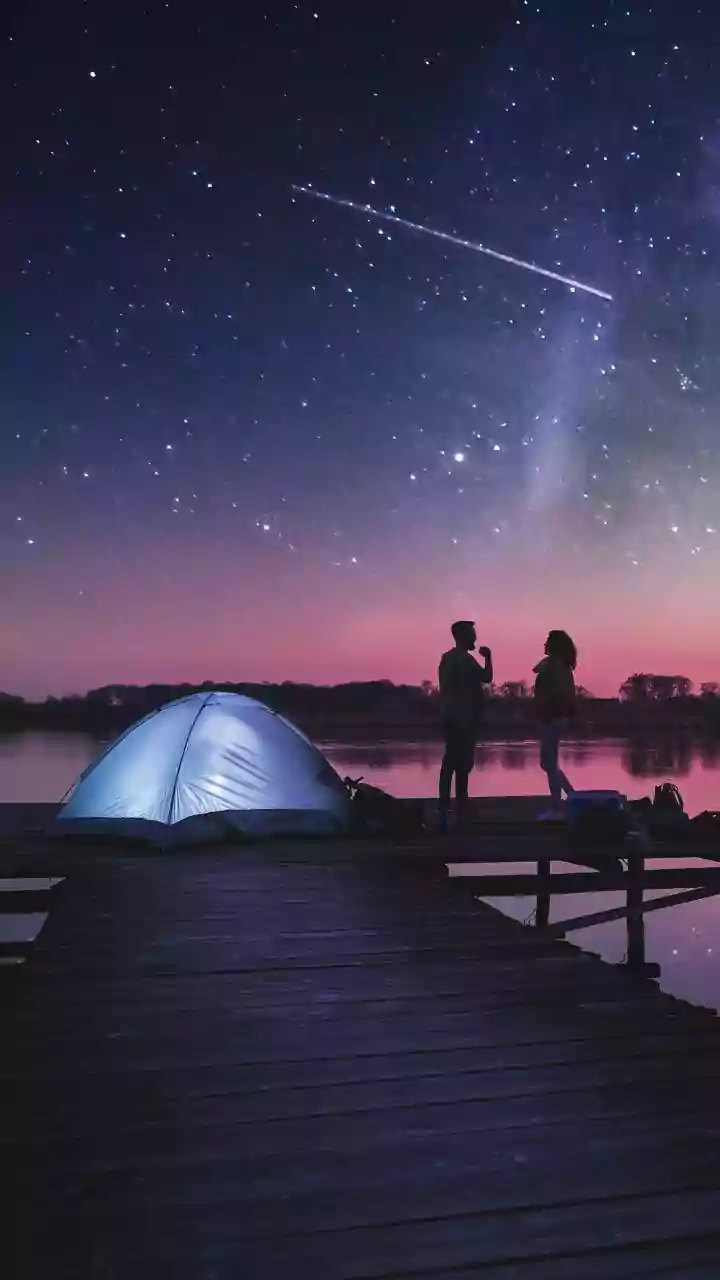
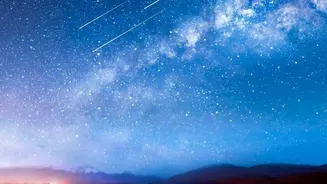
While the famous Perseid meteor shower peaked around August 12-13, its activity continues throughout the month. In late August, you can still catch stray meteors streaking across the sky, especially after midnight. These 'shooting stars' are remnants
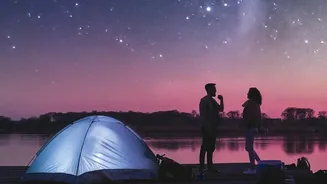
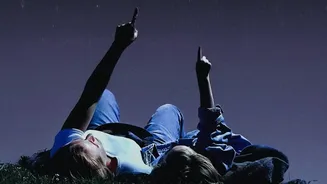
of the comet Swift-Tuttle burning up in our atmosphere. The key challenge is the weather; August is peak monsoon for most of India. However, the periods of clear sky after a rain shower can offer exceptionally transparent views as the dust has been washed from the air. For your best chance, find a location away from city lights, lie back, and be patient. No special equipment is needed, as the show is best enjoyed with just your eyes.
A Preview of the Ringed Planet
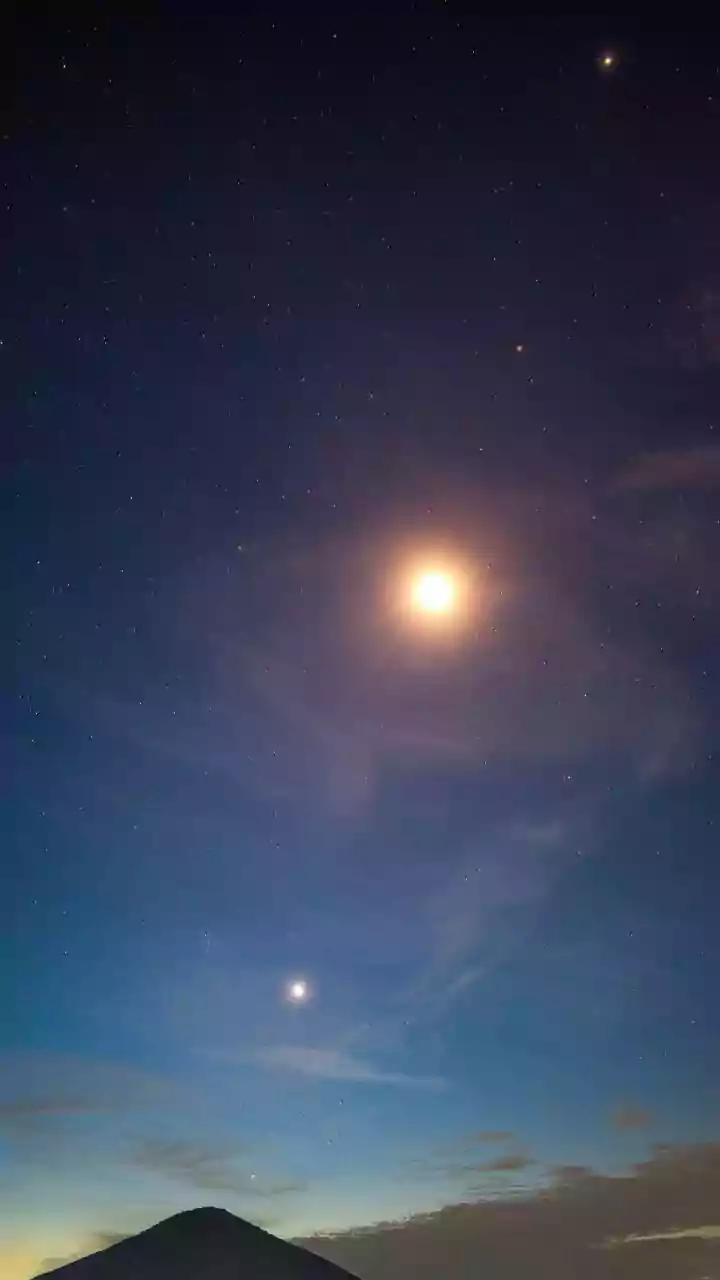
Late August marks the return of Saturn to the evening sky. While its 'opposition'—the point where it is biggest and brightest for the year—is not until October 4, the planet is already becoming a beautiful sight. Look for a steady, yellowish-white point of light rising in the eastern sky after midnight. Unlike stars that twinkle, planets shine with a more constant glow. While you won’t see its famous rings with the naked eye, a good pair of binoculars might reveal it as a tiny, non-circular dot, and even a basic telescope can begin to resolve the iconic rings. Its appearance is a wonderful preview of the better views to come in the post-monsoon season.
Spotting the Summer Constellations
The late summer sky is dominated by prominent constellations. Look south for the distinctive fish-hook shape of Scorpius (the Scorpion), with its bright red heart, the star Antares. To its east, you can find Sagittarius, whose brightest stars form a pattern that looks like a teapot. On a very dark, clear night, the faint, misty band of the Milky Way appears to rise like steam from this teapot's spout, as you are looking toward the dense centre of our own galaxy. High overhead, you'll find the Summer Triangle, an easy-to-spot formation made of three brilliant stars—Vega, Deneb, and Altair—from three different constellations.
Gearing Up for Success
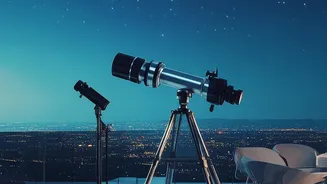
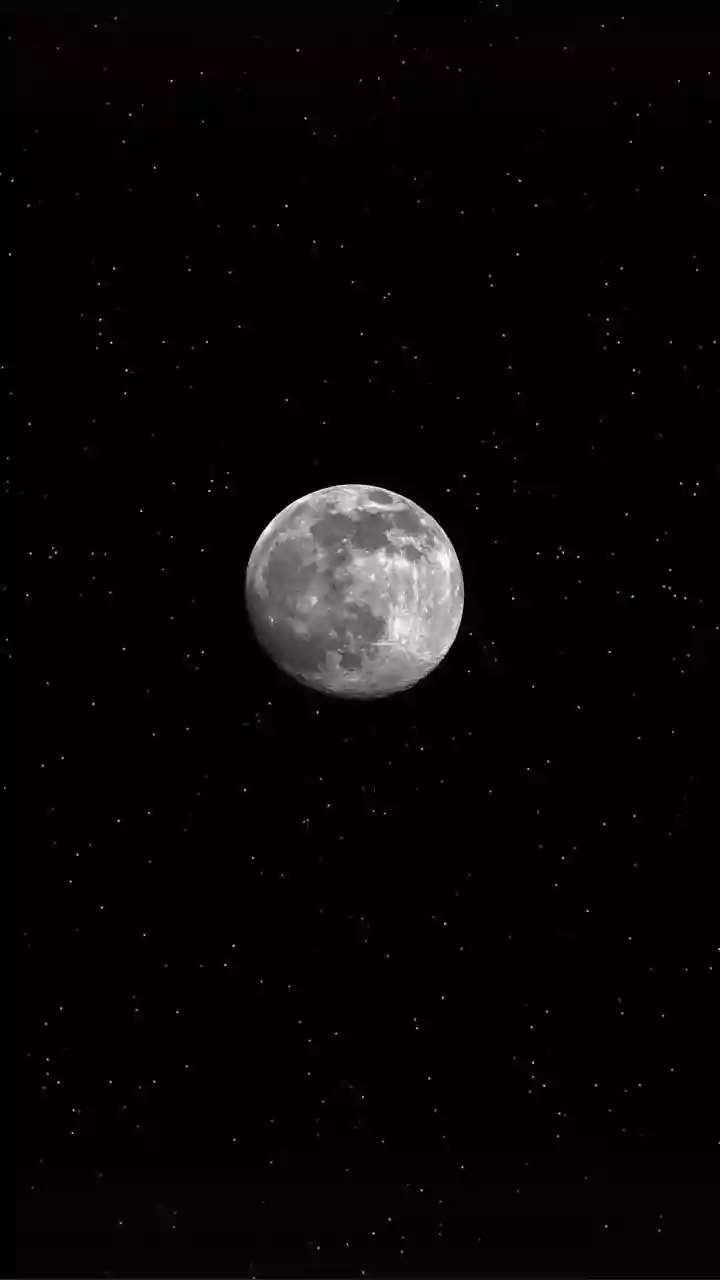
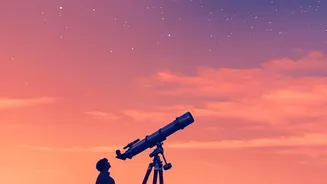
You don’t need expensive gear to enjoy the night sky. The most essential tool is patience, allowing your eyes about 20-30 minutes to fully adapt to the darkness. Avoid looking at your bright phone screen, which will ruin your night vision. Instead, use a red-light torch, as red light has a lesser effect on your eyes. Several smartphone apps like Stellarium or Sky Map can act as a virtual guide, helping you identify stars and planets by simply pointing your phone at them. A comfortable reclining chair or a blanket to lie on is also a good idea. For those wanting a closer look, a pair of binoculars is a great starting point for viewing star clusters and the Moon.
Escaping the City Glow
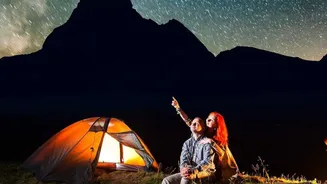
The biggest obstacle for any stargazer in India is light pollution. To truly experience the night sky, you need to get away from the glow of cities. While dedicated dark-sky reserves like Hanle in Ladakh or areas in Spiti Valley offer the clearest skies, they aren't accessible to everyone. For those near major cities, even a short drive can make a huge difference. Look for national parks, wildlife sanctuaries, or high-altitude spots like Malshej Ghat near Mumbai and Pune. Hill stations or rural homestays in places like Coorg can also provide darker skies, especially on nights with breaks in the monsoon clouds. The goal is to find a spot with an open view, away from direct streetlights and buildings.