






Understand Why Your Hair Feels Thirsty
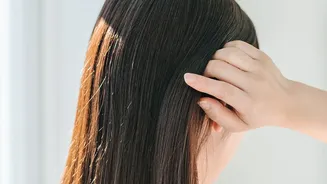
During dry spells, the air has very low humidity. This creates a moisture imbalance where the dry atmosphere actively pulls water molecules out of your hair shaft. This process lifts the hair's outer layer, or cuticle, causing it to feel rough, lose its
shine, and become prone to static and frizz. Shampoos, especially those with harsh sulfates, can exacerbate this by stripping away your hair's natural protective oils, leaving it even more vulnerable. The goal, therefore, is to not only add moisture back but also to seal the cuticle to prevent it from escaping.
Fortify Strands with a Pre-Shampoo Treatment
One of the most effective adaptations for a dry weather routine is the 'pre-poo', or pre-shampoo treatment. This involves applying a protective layer of oil or a conditioning cream to dry hair before you get it wet. This barrier shields your hair from the stripping effects of shampoo, helping it retain natural oils and moisture. You can use readily available oils like coconut or olive oil, or even your regular rinse-out conditioner. Simply work it through your hair in sections, leave it on for 15-30 minutes, and then proceed with your normal wash routine. This simple step helps melt away tangles and dramatically reduces breakage.
Consider 'Co-Washing' on Alternate Days
Co-washing, short for 'conditioner-only washing', is another excellent technique for preserving moisture. It involves skipping shampoo altogether and washing your hair with only conditioner. This is especially beneficial for those with very dry, curly, or wavy hair. Co-washes use gentle cleansing agents to clean the scalp without the harsh detergents found in many shampoos, thus preserving your hair's natural oils. If you work out daily or feel the need to rinse your hair, alternating between a normal shampoo day and a co-wash day can provide the perfect balance of a clean scalp and hydrated strands.
Make Leave-In Conditioner Your Daily Staple
If you're not already using one, a leave-in conditioner is a non-negotiable ally during dry seasons. Think of it as a daily moisturiser for your hair. Applied to damp hair after showering, it provides a continuous layer of hydration and protection against the environment. Look for products with humectants like glycerin or aloe vera, which draw moisture from the air into your hair, and emollients like shea butter or argan oil, which smooth the cuticle and lock that moisture in. A light spritz each morning can revive your style and keep static at bay.
Upgrade Your Deep Conditioning Schedule
What might be a weekly treat in humid weather becomes a necessity when it's dry. Upping your deep conditioning or hair mask frequency to twice a week can make a significant difference. These treatments are formulated with concentrated ingredients that penetrate the hair shaft more deeply than a regular conditioner. You can also create effective DIY masks at home using ingredients popular in Indian households. A mixture of yoghurt, honey, and a little olive oil makes a fantastic hydrating mask. Aloe vera and fenugreek (methi) paste is another great option for conditioning and adding smoothness.
Seal It All in with the LOC or LCO Method
For those with particularly thirsty or textured hair, adopting a layering technique like the LOC (Liquid, Oil, Cream) or LCO (Liquid, Cream, Oil) method can be a game-changer. This process is all about layering products to maximise moisture retention. You start by hydrating the hair with a water-based product (Liquid), then apply a sealing oil (Oil), and finish with a moisturising cream (Cream), or vice-versa. The oil and cream create a barrier that locks in the water. The right order depends on your hair's porosity, but the principle remains the same: hydrate first, then seal.