





Pieces of a Legendary Comet
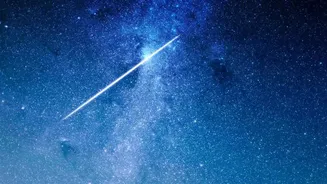
The Orionid meteor shower is an annual celestial event, considered one of the most beautiful of the year. The shooting stars you see are actually tiny fragments—many no larger than a grain of sand—shed by Comet 1P/Halley. This famous comet takes about
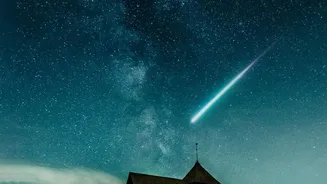
76 years to orbit the Sun, and as it travels, it leaves a stream of icy, rocky debris in its path. Every October, Earth’s orbit intersects with this stream, causing these particles to burn up in our atmosphere at incredible speeds of around 66 kilometres per second. These fast, bright meteors are known for leaving behind persistent, glowing trails that can linger for several seconds.
Why a Bright Moon Is a Stargazer’s Enemy
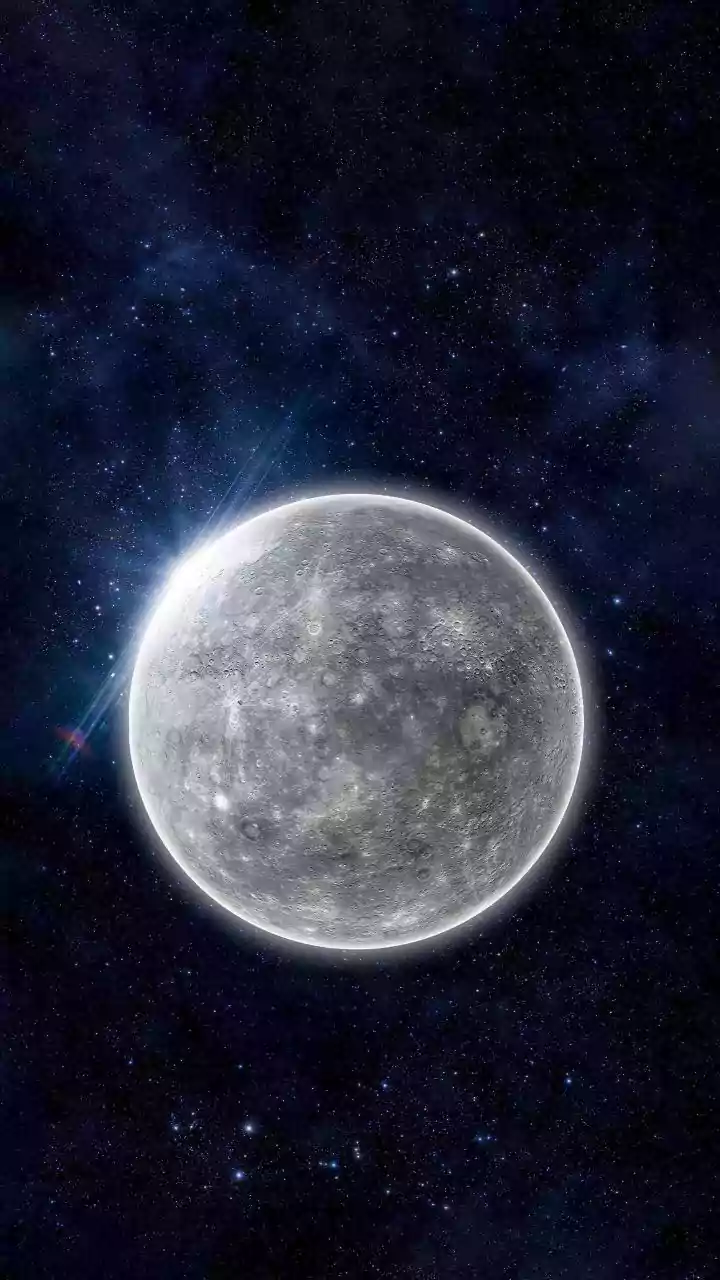
When it comes to watching a meteor shower, the Moon can be your biggest obstacle. A bright Moon, especially one that is near its full phase, acts like natural light pollution. It illuminates the atmosphere, washing out the fainter, more subtle meteors and dramatically reducing the number of shooting stars you can see. Think of it like trying to see the stars from a brightly lit city street—the ambient light overpowers the distant starlight. For the best meteor-watching, a dark, moonless sky is essential. This allows your eyes to become fully dark-adapted, making it possible to spot even the faintest streaks of light.
The 2026 Verdict: A Window of Opportunity
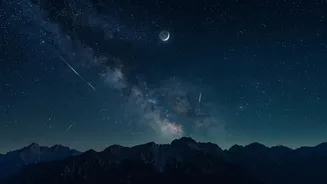
So, what’s the situation for the 2026 Orionid peak? The shower is predicted to be at its most active on the night of October 21-22. Unfortunately, this coincides with a waxing gibbous Moon, which will be about 78-80% illuminated. This bright Moon will be present in the sky for much of the night, which is bad news for evening observers. However, there is a crucial window of opportunity. The Moon is expected to set a few hours before dawn. This means the darkest period, and therefore the absolute best time to watch the shower, will be in the pre-dawn hours of October 21 and 22, after the Moon has disappeared below the horizon but before the Sun begins to rise.
How to Watch the Orionids
You don't need any special equipment like a telescope or binoculars to enjoy a meteor shower. The key is to find a wide-open view of the sky. While the meteors appear to radiate from the constellation Orion, they can streak across any part of the sky. In fact, looking slightly away from the radiant can often give you a better view of meteors with longer trails. The best viewing time is always after midnight, and for this year’s shower, it's specifically in the hours just before dawn. Plan to head out on the mornings of October 21 and 22 for the highest chances of seeing the peak activity. Under ideal dark-sky conditions, you might see about 15 to 20 meteors per hour.
Your Checklist for a Great Viewing Experience
To make the most of the Orionids, your top priority should be to get away from city and suburban light pollution. Find the darkest spot you can. Once you’re there, give your eyes at least 20-30 minutes to fully adjust to the darkness; avoid looking at your phone during this time, as its bright screen will ruin your night vision. Comfort is key, since you’ll be looking up for a while. Bring a reclining lawn chair or a blanket to lie on. Even on milder nights, you can get surprisingly cold while sitting still, so dressing in warm layers and having a hot drink on hand is a great idea. Finally, be patient. Meteor watching is a waiting game, but the reward of seeing a piece of Halley's Comet blaze across the sky is well worth it.