







The Concept of a 'Sterile' Aircraft
In aviation, 'sterile' doesn't refer to cleanliness, but to security. A sterile aircraft is one that has been thoroughly searched and secured, with all crew, passengers, and cargo properly screened before boarding. This controlled environment extends
to the secure 'airside' areas of the airport, like boarding gates and holding areas, which are also considered sterile. The goal is to ensure that from the moment security checks are complete until the plane is airborne, no unauthorised person or prohibited item can compromise its integrity. This principle is a fundamental layer of global aviation security, designed to protect everyone on board.
How Security Can Be 'Broken'
An aircraft's sterile status is fragile. It can be compromised in several ways, often due to simple human error rather than malicious intent. For example, if a door is opened by an unauthorised ground staff member, or if a catering truck connects to the wrong door, the plane is no longer considered secure. Another common scenario involves passengers. If transit passengers who are not meant to deplane accidentally get off the aircraft, or if a passenger from a 'non-sterile' international flight mixes with screened domestic passengers, a security breach is triggered. Essentially, any event that breaks the chain of controlled access can nullify the aircraft's secure status.
What Happens After a Breach
When an aircraft's sterility is compromised, a strict and non-negotiable protocol is activated. The security status of the plane is reset, and the entire process must begin again from scratch. This means that all passengers, even those who have already deplaned and are waiting in the terminal or for a connecting flight, may be required to return for re-screening. Concurrently, all cabin and checked baggage must be offloaded from the plane to be identified by its owner or re-screened. Flight and cabin crew are also subject to this process. Finally, the aircraft itself must undergo a complete security search before anyone is allowed to re-board. While this causes significant delays, it is a critical safety measure.
A Feature, Not a Flaw
Facing a long delay and a second trip through security can be frustrating, but this procedure is a sign of a robust safety system at work, not one that has failed. The 'you don't fly, your bags don't fly' rule is a cornerstone of aviation security, ensuring that no unaccompanied baggage remains on an aircraft if its owner decides not to travel. When a passenger deplanes unexpectedly, whether due to illness or other reasons, a full baggage check is often initiated to remove their luggage. The extensive re-screening process following any breach demonstrates a zero-tolerance approach to potential threats. Airlines and airport authorities have detailed contingency plans for these events, prioritising passenger safety above all else.
The Indian Context
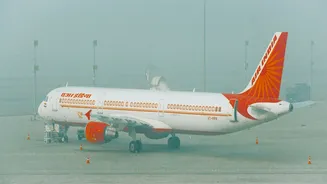
These security protocols are part of a global standard that is rigorously enforced at Indian airports. The Bureau of Civil Aviation Security (BCAS) sets the security framework for all domestic air travel, aligning with international best practices. Incidents requiring passengers to deplane for security reasons, while not an everyday event, do occur in India. In one instance, a hoax bomb threat on a domestic flight led to all passengers being deplaned and every piece of checked luggage being laid on the tarmac for individual identification before the flight could safely proceed. Such events, though disruptive, underscore the stringent and uncompromising nature of aviation security measures across the country.