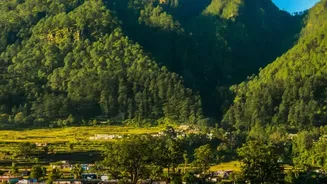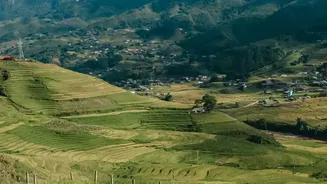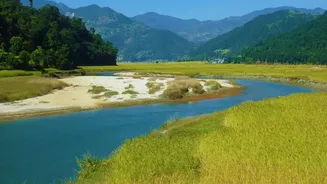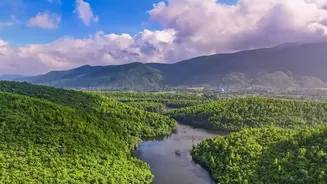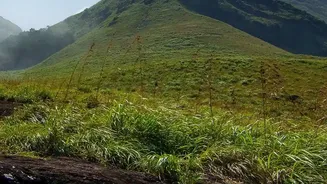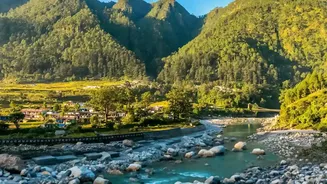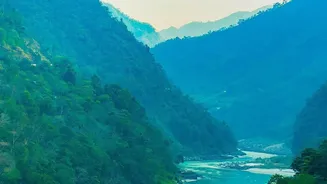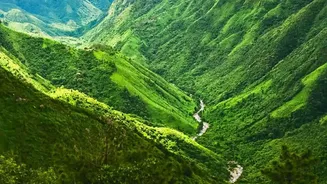

Tired of the same packed hill stations? Arunachal Pradesh, the 'Land of the Dawn-Lit Mountains', offers a serene frontier for those seeking tranquility. Here are four scenic spots where you can truly escape the crowds and unwind.
1. Ziro Valley: A Living Cultural Landscape
Ziro Valley is a world
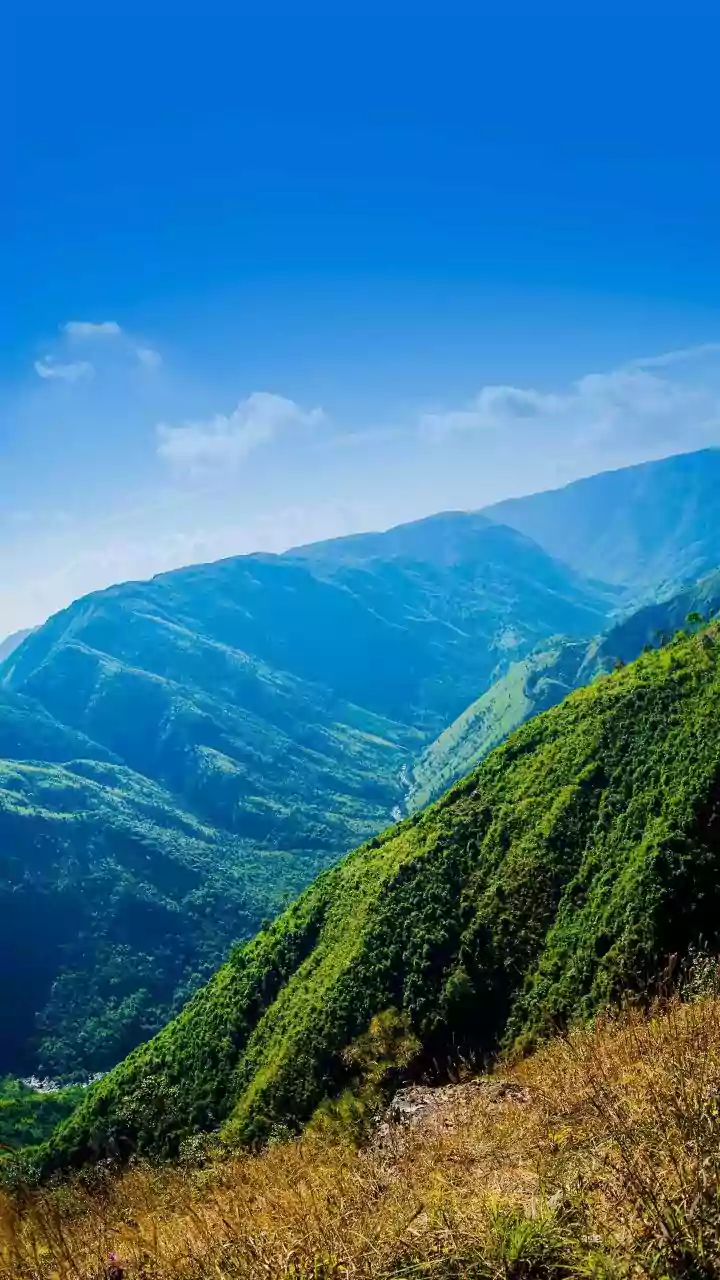
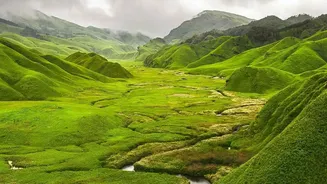
away from the commercial hustle of popular tourist towns. This picturesque plateau is famous not just for its stunning vistas of pine-clad hills and lush rice fields, but as the home of the Apatani tribe, known for their unique sustainable agriculture and rich cultural heritage. A visit here is less about ticking off sightseeing spots and more about immersing yourself in a different way of life. You can walk through traditional Apatani villages, learn about their paddy-cum-fish cultivation system, and simply soak in the peaceful atmosphere. While it has gained fame for the Ziro Festival of Music, visiting outside of the festival season reveals its true, quiet charm. The journey itself, often involving a train to Naharlagun followed by a scenic road trip, is part of the adventure and a beautiful introduction to the state. Remember, an Inner Line Permit (ILP) is required for Indian travellers to enter Arunachal Pradesh.
2. Mechuka: The Forgotten Valley
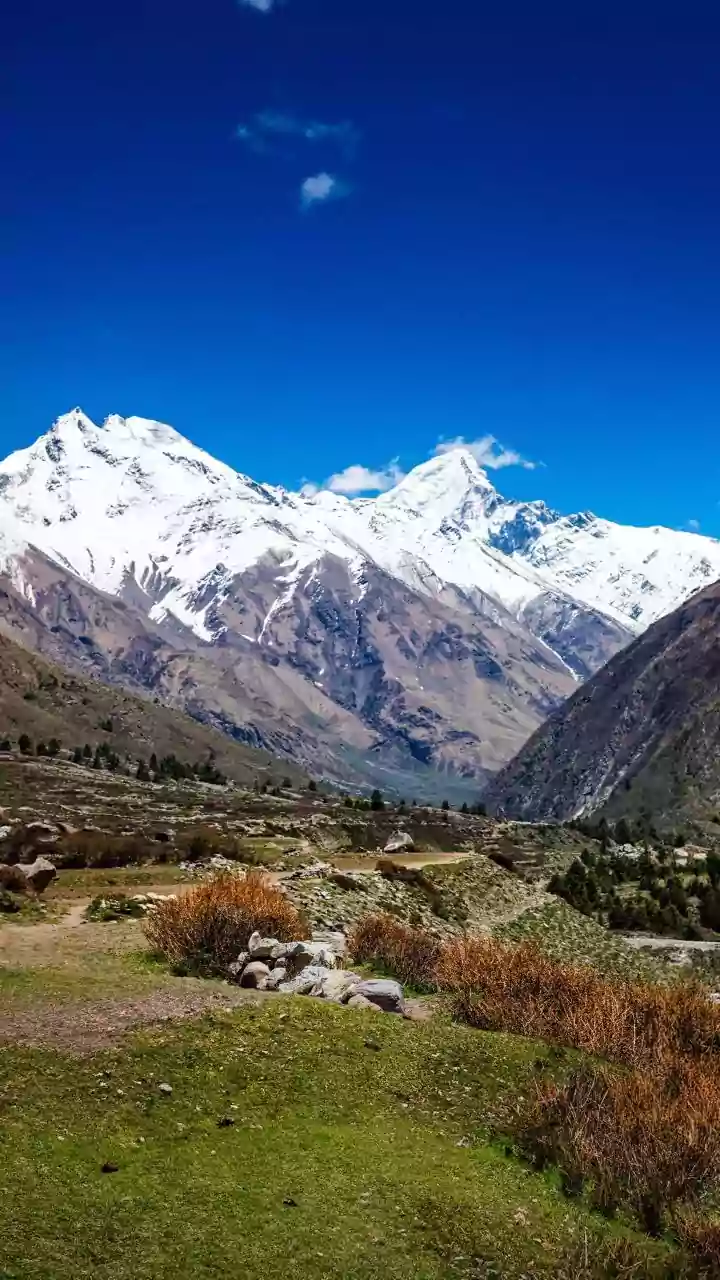
Often called the 'Forbidden Valley' due to its remoteness, Mechuka is a breathtakingly beautiful destination nestled close to the Indo-China border. At an altitude of around 6,000 feet, this wide, grassy valley is cradled by snow-capped peaks and bisected by the glistening Siyom River. The journey to Mechuka is long and challenging, typically a multi-day affair from Dibrugarh in Assam via Aalo, but the reward is a sense of absolute tranquility and isolation that few places in India can offer. The landscape is dotted with the wooden houses of the Buddhist Memba tribe, grazing horses, and prayer flags fluttering in the crisp mountain air. A key attraction is the 400-year-old Samten Yongcha Monastery, perched on a hilltop with panoramic views of the valley. For its raw, untouched beauty and sparse crowds, Mechuka is the perfect alternative for those who might otherwise consider Tawang but are seeking a more off-grid experience.
3. Sangti Valley: A Picture-Postcard Retreat
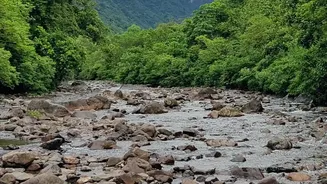
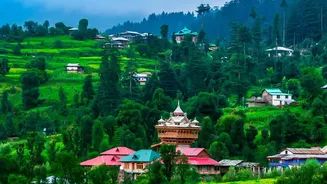
Tucked away near Dirang, Sangti Valley is a pristine haven that many travellers on the main route to Tawang miss entirely. This quiet valley is framed by the Eastern Himalayas, dotted with apple and kiwi orchards, and home to traditional Monpa villages. The Sangti River, with its crystal-clear water, meanders through the landscape, making it an idyllic spot for nature walks and riverside picnics. During the winter months, the valley becomes a temporary home for majestic black-necked cranes, adding to its allure for nature lovers. Unlike more remote destinations, Sangti is relatively accessible from Dirang but has managed to retain its peaceful, untouched charm. It's a place to slow down, enjoy the silence, and experience the simple, warm hospitality of local homestays. The focus here isn't on a busy itinerary but on quiet contemplation and connection with nature.
4. Roing and Dambuk: The Orange Orchards
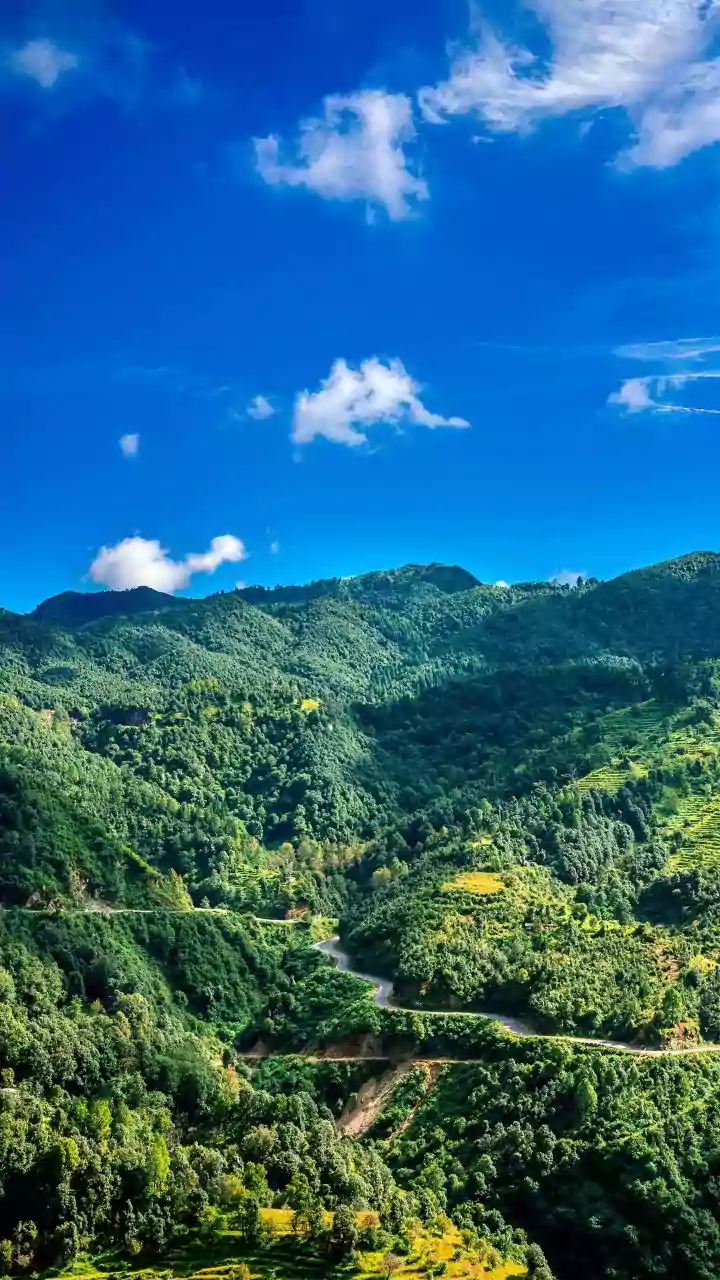
In the eastern part of the state, the Lower Dibang Valley offers a different flavour of scenic beauty. Roing, the district headquarters, serves as a gateway to a region of lush forests, pristine lakes, and rich tribal heritage, home to the Idu Mishmi and Adi tribes. Nearby attractions like Sally Lake and Mehao Wildlife Sanctuary offer serene natural escapes. A short drive away is Dambuk, a village that has gained fame for its hundreds of acres of orange orchards, which are a spectacular sight during the harvest season. Until recently, Dambuk was extremely remote, but improved connectivity has made it accessible while retaining its offbeat feel. It now hosts the popular Orange Festival of Adventure and Music, but visiting at other times of the year allows you to experience its quiet agricultural charm without the crowds. This region offers a blend of natural beauty, adventure, and a glimpse into the cultures of eastern Arunachal.