






The annual Diwali rush transforms India's railway stations into a sea of humanity. It’s a yearly logistical challenge of immense proportions. To ensure safety and order, railway authorities are implementing a multi-pronged strategy.
A Coordinated National Effort
Managing the millions
travelling for Diwali and the subsequent Chhath Puja festival is one of the most demanding operations for Indian Railways. To prevent chaos, a high-level strategy was formulated in late October, focusing on coordination between the Railway Protection Force (RPF), the Government Railway Police (GRP), and state police forces. This unified approach aims to streamline passenger flow, enhance security, and ensure a safe journey for everyone. The conference, presided over by the RPF Director General and attended by the Chairman of the Railway Board, emphasised advance planning and efficient crowd management as top priorities for the festive season.
Special Trains to Ease the Burden
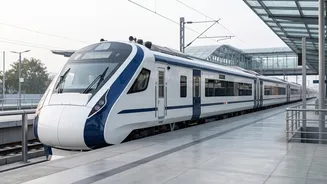
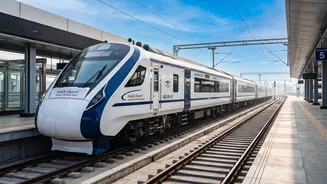
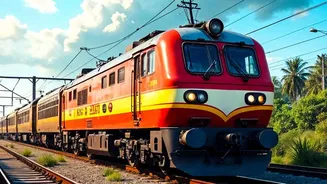
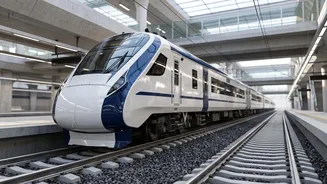
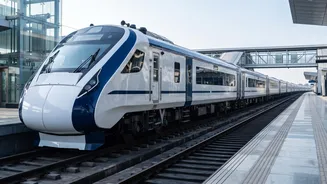
A primary strategy to accommodate the surge in passengers is the introduction of thousands of special train services. The Railways Ministry has notified a significant number of special trains to facilitate travel during the festive period. Northern Railway alone plans to operate over 6,200 special train trips, covering key high-demand routes like Delhi-Patna, Chandigarh-Patna, and New Delhi-Howrah. Eastern and Southern Railways have also announced numerous special services connecting major hubs like Kolkata, Chennai, and Bengaluru to destinations in Bihar, Uttar Pradesh, and Tamil Nadu. These additional services, including some fully unreserved trains, are crucial for reducing pressure on regularly scheduled trains, which are often heavily booked weeks in advance.
Managing Crowds Inside the Stations
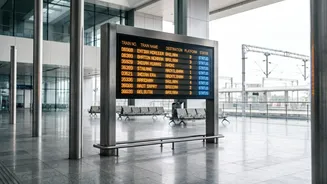
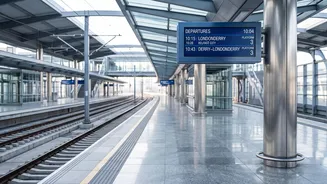
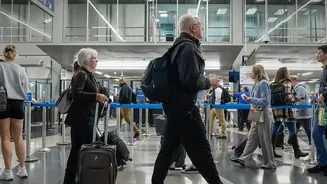
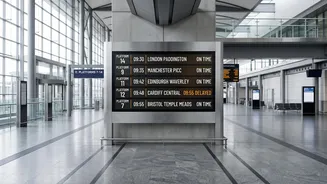
To prevent dangerous overcrowding on platforms, authorities are implementing strict access control measures. At several major stations, including six in the Western Railway zone and key hubs in Delhi and Nashik, the sale of platform tickets has been temporarily suspended until mid-November. The goal is to limit the number of non-passengers on platforms, which can significantly contribute to congestion. For passengers waiting for their trains, Indian Railways is developing dedicated 'Yatri Suvidha Kendras' or passenger holding areas. These designated zones, equipped with seating, ticket counters, and display boards, are designed to keep passengers comfortable and organised before they proceed to the platforms, thereby decongesting the main station areas.
Technology and Manpower on the Ground
A robust combination of technology and increased personnel is at the core of the crowd management plan. Major stations like Pune have significantly boosted their surveillance capabilities, with hundreds of CCTV cameras monitored around the clock. Control rooms are on high alert to spot congestion, allowing for the rapid dispatch of response teams. Drone-assisted surveillance is being used in station yards and open areas to monitor for unauthorised activities. This technological oversight is complemented by a heavy deployment of RPF and GRP personnel at critical points like foot-over-bridges and general class coaches. These officers are responsible for managing queues, assisting passengers, and ensuring an orderly boarding process. Public announcement systems are also in constant use to guide travellers.
Enhancing Passenger Amenities and Grievance Redressal
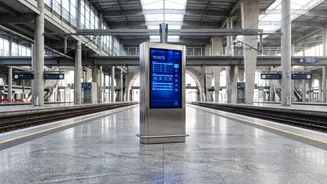
Beyond crowd control, authorities are focusing on passenger comfort and assistance. Additional ticket counters, including Automatic Ticket Vending Machines, have been set up at dozens of stations to ease the process of buying tickets. Medical booths are also being established at major hubs like Patna and Muzaffarpur to handle any health emergencies. To improve responsiveness to passenger issues, GRP personnel are being integrated into the RailMadad platform, a centralised system for grievance redressal. This allows for better complaint monitoring and timely information sharing, ensuring that passenger concerns are addressed more efficiently during the hectic festive period. The overall strategy combines proactive capacity enhancement with reactive safety measures, all aimed at making the annual festive journey a smoother experience.