








The 10-Minute Promise: A New Normal
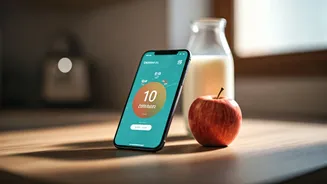
The demand for ultra-fast delivery has exploded across India's cities. Platforms like Blinkit, Zepto, and Swiggy Instamart have transformed consumer expectations, making 10-to-30-minute delivery of groceries and daily essentials a new standard. This shift
was accelerated by the pandemic but has been sustained by changing urban lifestyles, rising disposable incomes, and the sheer convenience of getting what you need, right when you need it. The market has grown exponentially, with quick commerce orders making up about two-thirds of all online grocery orders in India in 2024. These services are no longer just for groceries; they've expanded to include electronics, beauty products, medicines, and even pet supplies, effectively becoming a digital version of the local corner store, available 24/7.
How Is This Speed Even Possible?
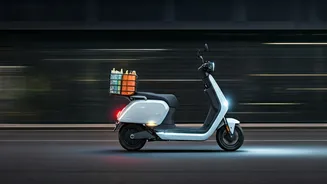
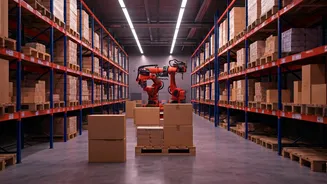
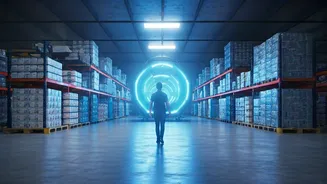
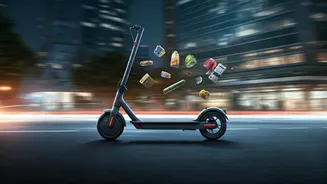
The magic behind the 10-minute delivery isn't magic at all; it's a meticulously engineered logistics model built around 'dark stores'. These are not retail shops but small, strategically located warehouses in dense residential neighbourhoods, each stocking a limited range of a few thousand high-demand products. When you place an order, a picker inside the dark store packs it within minutes. A delivery rider, already waiting nearby, is assigned the order, and because the delivery radius is just a few kilometres, they can reach your doorstep at astonishing speed. This entire process is powered by technology, from AI-driven demand forecasting that decides what to stock, to route optimisation that guides the rider.
The Real Cost of Convenience
This unprecedented speed comes at a cost. For years, the quick commerce model has been defined by a high 'cash burn' as companies pour money into expansion, discounts, and customer acquisition. While some players like Blinkit have recently reported operational profitability, the long-term economic viability is still a subject of intense debate. Beyond the financials, there's a significant human cost. The pressure to meet tight deadlines has raised serious concerns about the safety and well-being of delivery riders, who navigate congested city streets under immense pressure. In early 2026, these concerns led to government intervention, urging platforms to drop the rigid '10-minute' promise from their marketing.
Reshaping India's Retail Landscape
The rise of quick commerce is having a profound impact on traditional retail. Neighbourhood kirana stores, long the backbone of Indian retail, are facing intense competition. Reports indicate that thousands of these small shops have closed down, unable to compete with the deep discounts and lightning-fast delivery offered by venture-funded platforms. However, the story is nuanced. Some kirana stores are adapting by integrating with digital platforms themselves. Meanwhile, the big e-commerce players are also jumping in, with Amazon and Flipkart scaling up their own quick delivery services, intensifying the competition even further. The industry is also evolving beyond just being a delivery service; it's becoming a powerful advertising channel, with brands paying significant amounts to be visible to customers at the exact moment of purchase.