







Embrace the Double-Bag Method
The simplest defence is often the most effective. Placing electronics inside a zip-seal plastic bag, squeezing the air out, and then placing it inside a second one is a surprisingly robust first line of defence. This low-cost method creates a double barrier
against light rain and splashes. It’s perfect for smaller items like your phone, power bank, and charging cables. While it’s not designed for full submersion, it offers crucial protection when you’re caught in an unexpected shower and need to protect your gear quickly. For added security, you can use heavy-duty freezer bags, which are thicker and more durable than standard sandwich bags.
Invest in a Quality Dry Bag
For anyone serious about monsoon travel or outdoor activities, a dedicated dry bag is a worthwhile investment. These are flexible, waterproof sacks, typically made from durable materials that seal with a roll-top closure. This design creates a watertight seal that can withstand heavy rain and even brief submersion. Dry bags come in various sizes, from small pouches perfect for a phone and wallet to larger bags that can hold a laptop, camera, and clothes. You can use them to organize items inside a non-waterproof backpack, ensuring your most valuable gear remains completely protected no matter what happens to your main pack. Brands like Sea to Summit offer a wide range to suit different needs.
Harness the Power of Silica Gel
Rain isn't the only enemy during the monsoon; high humidity is a silent threat that can cause moisture to build up inside your devices over time. This can lead to corrosion or short circuits. An easy shortcut is to save the silica gel packets that come with new shoes, electronics, or packaged goods. These small packets are filled with a desiccant that absorbs moisture from the surrounding air. Throw a few into your electronics bag, camera case, or laptop sleeve. They will work quietly in the background, keeping the environment around your gadgets dry and reducing the risk of humidity-related damage. If a device does get damp, placing it in a sealed container with several silica gel packets can be more effective at drawing out moisture than the old rice trick.
Choose the Right Backpack
Your backpack is your mobile base of operations, and its ability to handle weather is critical. Many modern backpacks are made from water-resistant materials like coated nylon or canvas, which can handle light showers. However, for true monsoon protection, look for bags with features like covered zippers or a roll-top closure. The ultimate shortcut is a backpack rain cover. These are lightweight, elasticated covers that can be quickly pulled over your entire bag when the rain starts. They pack down small and provide an inexpensive but highly effective waterproof shield, turning any backpack into a rain-ready carrier. This is often a more practical solution than buying an entirely new waterproof backpack.
Use Dedicated Phone Protection
Your smartphone is likely your most-used and most-exposed electronic device. For everyday peace of mind, a waterproof phone pouch is an excellent accessory. These are typically clear, soft cases with a secure locking mechanism at the top that allows you to use your touchscreen and even take photos through the plastic. This means you can navigate maps, answer calls, or capture a rainy scene without ever exposing your phone to the elements. For those who prefer a less bulky solution, a form-fitting waterproof case from a brand like LifeProof offers protection from drops and water while maintaining full access to all ports and buttons.
Don't Forget Your Power Accessories
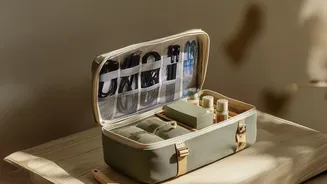
It’s easy to focus on big-ticket items like laptops and cameras, but chargers, power banks, and cables are just as vulnerable to water damage and humidity. During heavy storms, power surges can also be a risk, which can damage charging devices. When not in use, unplug chargers and store them in a dry place. A small zip-seal bag or a dedicated small dry bag is perfect for keeping all your cables and power banks together and protected from moisture. This simple habit prevents you from arriving at your destination with a fully protected laptop but a fried charger, rendering it useless.