




A Monsoon Season of Deficits
The 2026 southwest monsoon has been erratic and, for many, disappointing. As of mid-September, cumulative rainfall for the season is around 15% below the long-term average, putting the country on course for its driest monsoon in over a decade. This deficit,
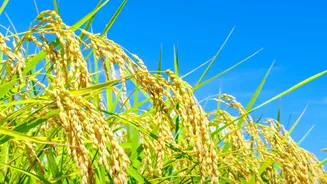
influenced by a strengthening El Niño, has been felt unevenly across the country. While some central and western regions have seen recovery, large parts of southern, northern, and northeastern India remain significantly dry. This has already stressed summer-sown (Kharif) crops like rice and soybeans, which need moisture for their final growth stages. More importantly, it leaves a significant soil moisture and water deficit just as farmers prepare for winter planting.
Banking Moisture for Winter Crops
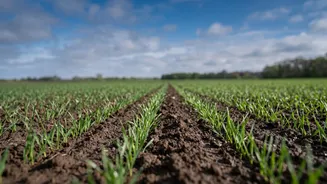
The primary reason September rains are so vital is for the sowing of Rabi crops like wheat, gram (chickpea), and mustard, which begins in October and November. A significant portion of India's farmland is rain-fed, meaning it relies entirely on natural precipitation rather than irrigation. For these areas, the late monsoon showers are the main source of moisture that will sit in the soil. This residual moisture is essential for seeds to germinate and for the young plants to establish strong roots during the initial growth phase. Without adequate September rainfall, the soil can be too dry, leading to poor germination, stunted growth, and ultimately, lower yields. Farmers might be forced to delay sowing or switch to less water-intensive crops.
Topping Up Crucial Reservoirs
Beyond the direct impact on soil, September rains play a crucial role in replenishing India's reservoirs. These reservoirs are the lifeline for the Rabi season, especially for water-intensive crops like wheat, which is central to India's food security. As of mid-September 2026, water storage in the country's 178 key reservoirs was at 71% of capacity, which is nearly 9% below the ten-year average and about 21% lower than the same period last year. The situation is particularly concerning in the southern and northern regions, where storage levels are sharply below normal. Late-season downpours help top up these reservoirs, ensuring a stable supply of water for irrigation throughout the cool, dry winter months when rainfall is scarce.
The Impact on Crop Choices and Food Prices
The availability of water directly influences the decisions farmers make. If soil moisture is low and reservoir levels are inadequate, farmers may be hesitant to plant wheat, which requires several rounds of irrigation. They might opt for hardier, less thirsty crops like gram or mustard. However, a large-scale shift away from wheat could have significant consequences for national food supply. This entire chain of events has a direct link to household budgets across India. A weak Rabi harvest, following an already stressed Kharif season, can lead to lower production of essential commodities. This supply crunch can fuel food inflation, which has already been a concern. Analysts note that shortfalls in rainfall often correlate with a rise in food prices, impacting everything from daily bread to cooking oil.