




The Annual Smog Siege
Every year, as temperatures drop, a combination of factors traps pollutants over the Indo-Gangetic plains. Slower wind speeds, vehicle emissions, industrial output, and smoke from farm stubble burning in neighbouring states contribute to a thick, toxic
haze that blankets the region for weeks. The government's Graded Response Action Plan (GRAP) is already in effect, with restrictions on construction and vehicles set to tighten from November 1. For residents, however, the battle often feels personal, leading them to seek solutions for the air inside their own four walls.
Can Plants Really Fight Pollution?
The idea that houseplants can purify indoor air is widespread, largely thanks to a 1989 NASA study which found that certain plants could remove volatile organic compounds (VOCs) like benzene and formaldehyde from small, sealed chambers. However, it's crucial to understand the limitations. A typical home is not a sealed lab; it has natural ventilation that dilutes pollutants far more effectively than a few plants can. Studies show you would need an enormous number of plants—between 10 to 1,000 per square metre—to match the air cleaning capacity of a building's ventilation system or a mechanical air purifier. When it comes to PM2.5, the fine particulate matter that is the main danger in smog, plants have a minimal effect. The consensus is clear: on days with severe smog, a HEPA filter air purifier is essential.
A Green Arsenal for Your Home
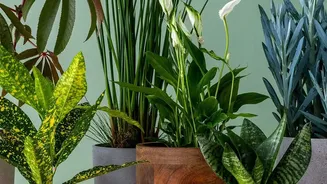
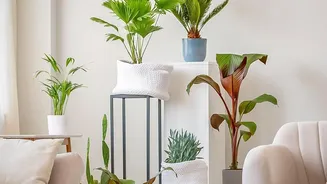
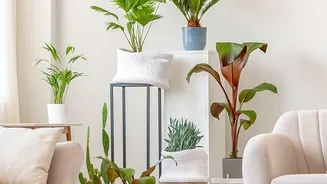
While not a replacement for an air purifier, a collection of houseplants can contribute to a healthier indoor environment. They are effective at filtering some VOCs, which are common household pollutants from paints and furniture, and can also add a touch of humidity to dry winter air. Here are five popular and hardy choices often seen in Delhi-NCR homes.
Snake Plant: The Low-Maintenance Champion
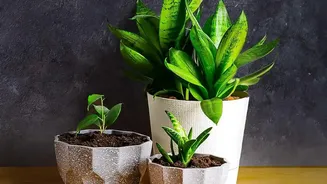
Perhaps the hardiest of all indoor plants, the Snake Plant (Sansevieria trifasciata) is famously difficult to kill, tolerating low light and infrequent watering. It's an excellent choice for bedrooms because, unlike most plants, it releases oxygen at night. It is known to filter chemicals like formaldehyde and benzene, making it a functional and sculptural addition to any room.
Areca Palm: The Natural Humidifier
With its lush, feathery fronds, the Areca Palm (Dypsis lutescens) is a staple in many Indian homes. It’s praised for its ability to release moisture into the air, which can be beneficial in dry, heated indoor spaces during winter. It also helps in breaking down indoor pollutants like xylene and toluene. This plant prefers bright, indirect light to thrive.
Money Plant: The Prolific Purifier
The Money Plant, or Pothos (Epipremnum aureum), is ubiquitous in India for a reason. It is incredibly easy to grow, propagates with little effort, and can handle a wide range of light conditions. It's noted for its effectiveness at removing common toxins like formaldehyde and carbon monoxide from the air. Its fast-growing vines make it a cheerful addition to shelves and hanging baskets.
Peace Lily: The Elegant Filter
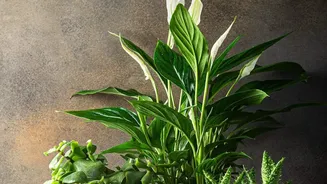
The Peace Lily (Spathiphyllum) is one of the few indoor plants that flowers reliably in low-light conditions, producing elegant white blooms. Beyond its beauty, it is a hardworking purifier, known for absorbing ammonia, benzene, and formaldehyde. It prefers consistently moist soil and can be a bit more dramatic than other plants, visibly drooping when it needs water.
Spider Plant: The Resilient Rookie's Choice
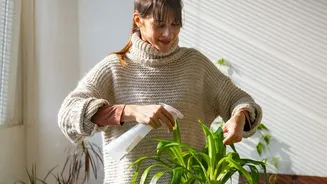
The Spider Plant (Chlorophytum comosum) is another excellent choice for beginners. It's forgiving, adapts well to different conditions, and is known to be effective at filtering formaldehyde and xylene. It also produces 'spiderettes,' small baby plants that can be easily repotted, making it the plant that keeps on giving.
More Than Just Air: The Psychological Boost
Beyond any measurable impact on air quality, the psychological benefits of indoor plants are significant. In a city choked by pollution, nurturing greenery can provide a much-needed sense of control and connection to nature. The simple act of caring for a living thing can reduce stress, lower blood pressure, and improve one's overall sense of well-being. Studies have shown that being around plants can boost mood, improve concentration, and help reduce feelings of anxiety, making them a valuable tool for mental wellness during the long, grey winter.