
The End of the ‘Occasion-Wear’ Wardrobe
For decades, many Indian closets were curated around big events: weddings, festivals, and formal gatherings. Clothing was often divided into two distinct categories: glamorous, elaborate pieces for special days and a separate, more functional set for daily
life. Today, that line is blurring rapidly. The modern Indian consumer is moving away from a wardrobe that serves just a few moments to one that serves their actual life. The focus has shifted from how an outfit looks for a single event to how it performs, feels, and adapts throughout a busy, multi-functional day. This change reflects a deeper evolution in lifestyle, identity, and what it means to feel well-dressed.
Comfort and Versatility Are the New Luxury
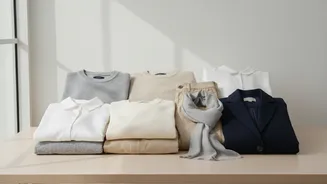
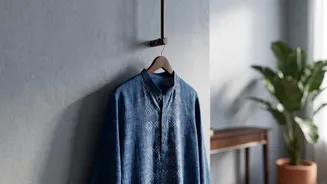
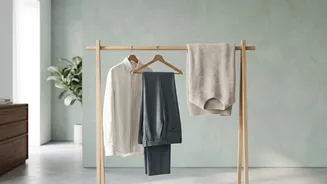
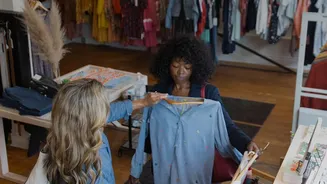
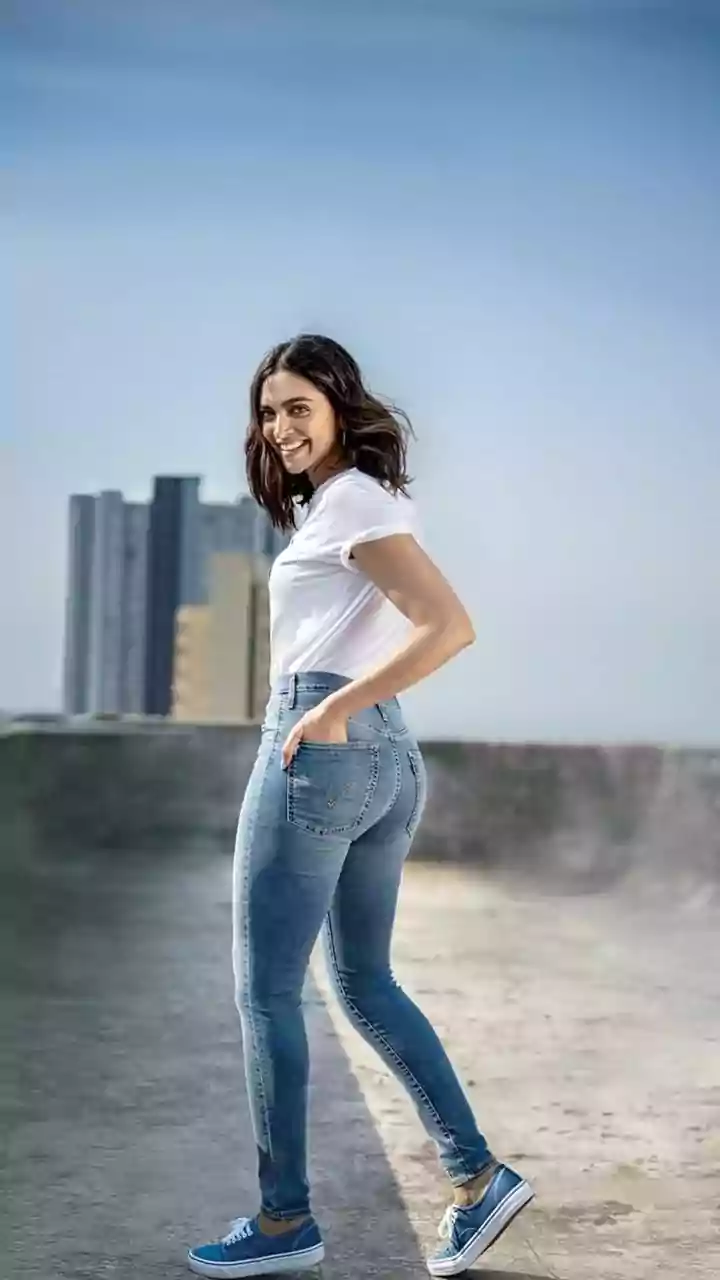
At the heart of this shift is the concept of ‘wearability,’ where comfort is no longer an optional extra but the starting point of design. Consumers are paying closer attention to fabric quality, prioritising breathable materials like cotton and linen that are suited to the Indian climate. But it’s about more than just comfort; it’s about versatility. Shoppers are increasingly investing in high-quality, adaptable pieces that can be styled in multiple ways. An outfit is now expected to transition seamlessly from a work-from-home video call to a coffee meeting or an evening out. This mindset favours fewer, better items and conscious consumption, moving away from the fast-fashion cycle of disposable trends.
The Lasting Impact of a Post-Pandemic World
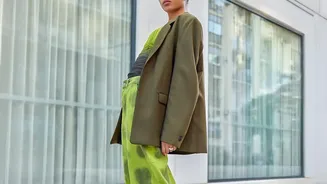
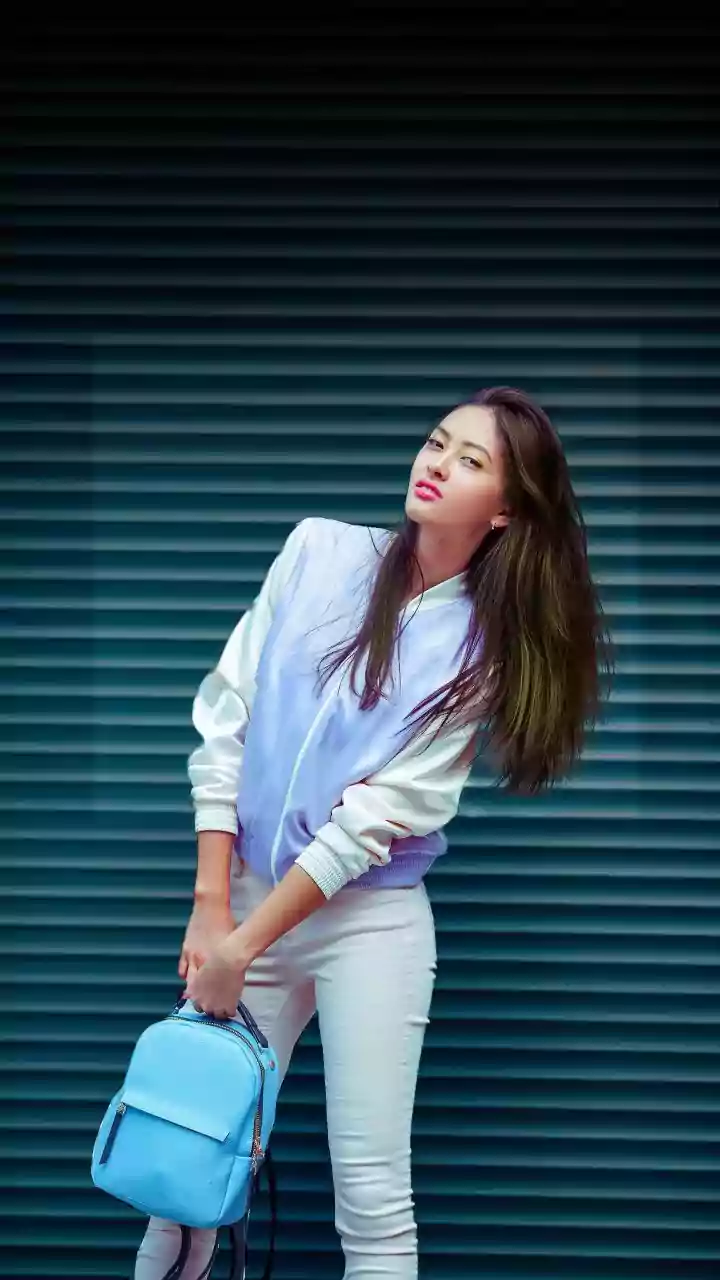
The global pandemic acted as a massive accelerator for the wearability trend. Lockdowns and the rise of remote work normalised comfort-driven clothing like loungewear and relaxed silhouettes. Having experienced the freedom of breathable fabrics and less restrictive fits, many people are now unwilling to go back to uncomfortable formal wear. This has fueled the rise of trends like ‘athleisure’ and ‘anti-fit’ clothing, which feature looser cuts that drape and flow with the body rather than constricting it. This new standard, born out of necessity, has become a permanent preference for a generation that now values ease of wear as much as aesthetics.
Ethnic Wear Reimagined for Everyday Life
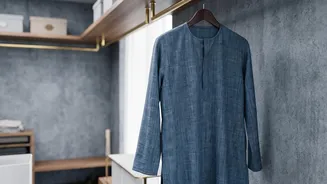
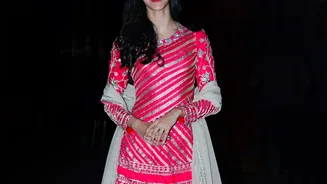
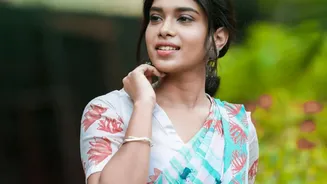
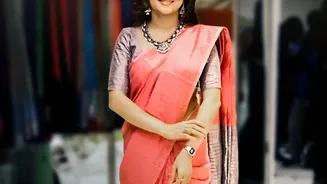
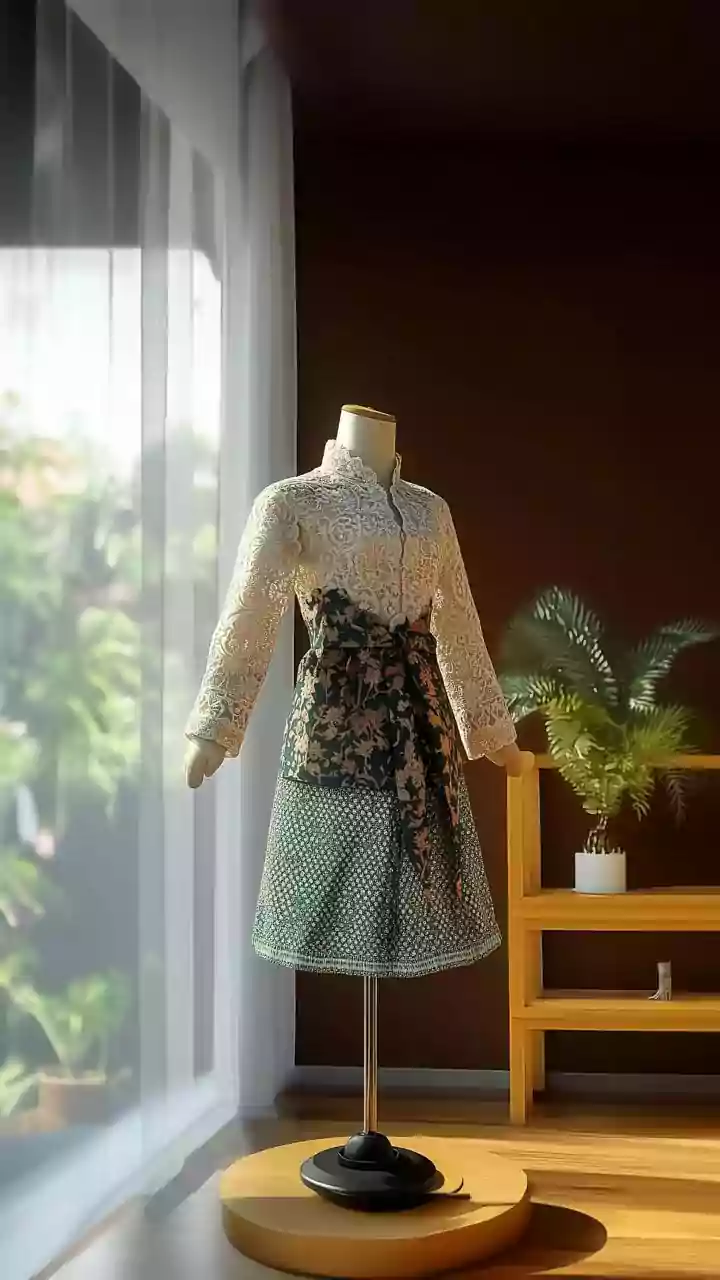
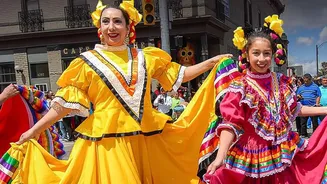
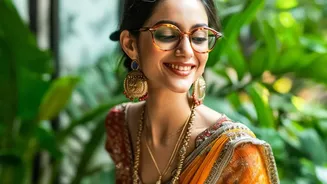
This trend is also powerfully reshaping how Indians approach traditional attire. The kurta, once potentially seen as formal or reserved, is now a common sight in cafes and offices. Similarly, handloom sarees are being styled for travel and daily wear. Designers and brands are responding by creating modern ethnic wear—like co-ord sets, minimalist kurtas, and indo-western fusions—that blends craftsmanship with practicality. This evolution is not about abandoning tradition, but about integrating it into contemporary life, making heritage relevant and wearable for a new generation.
The Rise of Homegrown D2C Brands
The wearability movement has been championed by a wave of new-age, homegrown D2C (direct-to-consumer) brands. Launching primarily on digital platforms, these startups built their identity around the very principles of comfort, versatility, and real-world function. By connecting directly with customers, they gather immediate feedback, allowing for faster innovation and the creation of products that genuinely meet the needs of today's consumer. Many of these brands focus on inclusive sizing, sustainable practices, and telling authentic stories, building strong communities that resonate with the values of conscious, modern shoppers.