





The Shifting Value of a Degree
For generations, a bachelor's or master's degree was the primary currency for securing a stable, well-paying job in India. While formal education remains fundamentally important, its role has evolved. Rapid technological advancements, particularly in automation
and artificial intelligence, mean that the skills required by employers are changing faster than university curricula can often adapt. A recent India Skills Report noted that while employability is rising, a significant gap persists between what educational institutions teach and what the industry needs. This has led to a situation where even candidates with strong academic credentials may lack the practical, job-ready skills that companies are desperately seeking. As a result, employers are increasingly shifting their focus from qualifications alone to demonstrated capabilities and a willingness to learn.
The New Digital Must-Haves
The demand is no longer for generic computer literacy but for a specific set of high-level digital competencies. According to industry reports from bodies like NASSCOM, several key areas dominate the hiring landscape. Artificial Intelligence (AI) and Machine Learning (ML) are at the forefront, with hiring for AI-related roles seeing a significant jump. Close behind are Data Science and Analytics, Cloud Computing (with certifications in platforms like AWS, Azure, and GCP), and Cybersecurity. One report highlighted a staggering demand-supply gap for AI professionals in India. These are not skills confined to the IT sector; they are being embedded across finance, marketing, healthcare, and manufacturing. Digital Marketing, including SEO and performance analytics, has also become a critical skill as businesses scale their online presence.
How to Bridge the Skill Gap
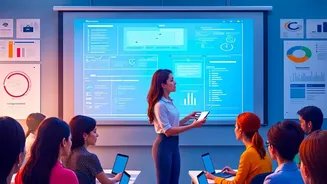
For students and working professionals alike, the path to acquiring these skills is more accessible than ever. The rise of online learning platforms offers a wealth of courses and certifications from globally recognized institutions and companies. Beyond that, government initiatives are playing a crucial role. The 'Skill India Digital' (SID) platform, for example, aims to be a unified hub for industry-relevant courses, job opportunities, and government-led training programs. It focuses specifically on equipping the workforce with Industry 4.0 skills. Many companies, aware of the skill shortage, are also investing heavily in internal upskilling and reskilling programs to make their own workforce future-ready. This dual approach—individual initiative and institutional support—is key to closing the gap between talent availability and industry demand.
The Rise of the Hybrid Professional
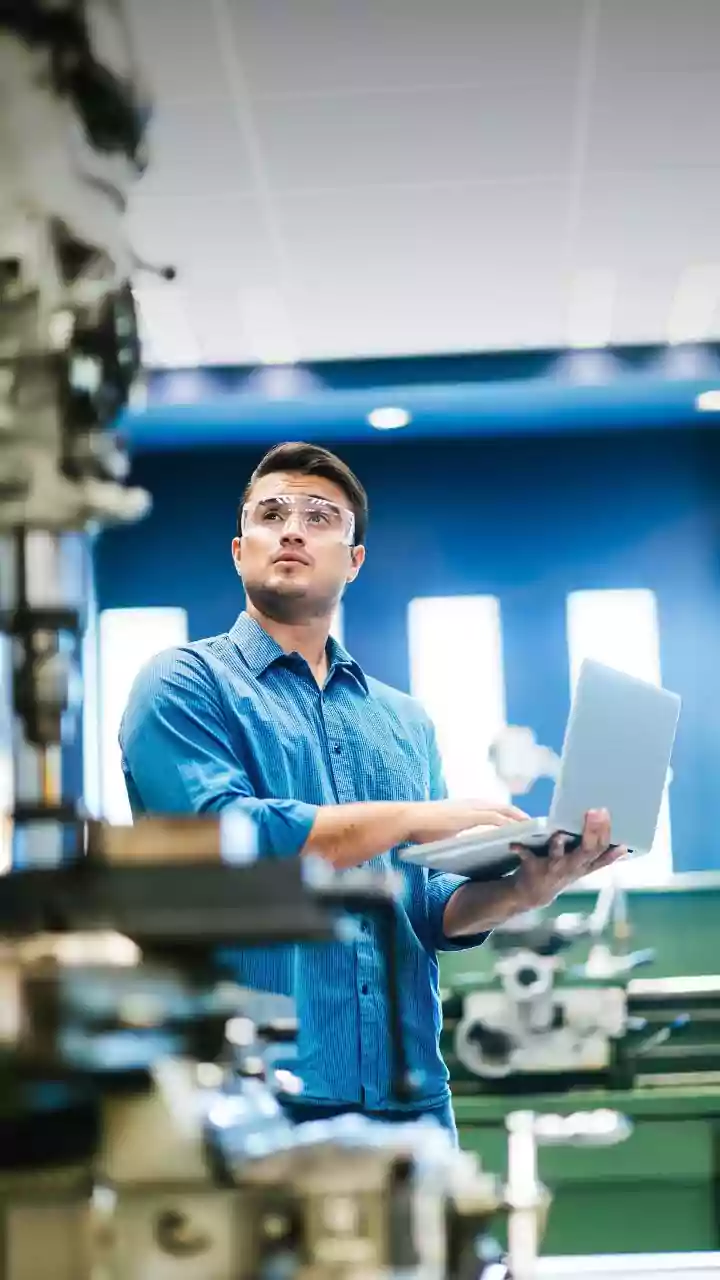
The most powerful approach for a modern jobseeker is not to replace their traditional education but to augment it. The future belongs to the 'hybrid professional'—an individual who combines deep domain knowledge with a layer of digital fluency. Imagine a chartered accountant who can use data analytics to provide deeper financial insights, a marketing manager who leverages AI for customer segmentation, or a mechanical engineer who uses cloud-based tools for collaborative design. This combination is what creates a distinct competitive advantage. Employers are increasingly looking for people who can apply new technologies within their existing fields, driving efficiency and innovation. This integration of skills is far more valuable than possessing either traditional knowledge or digital skills in isolation.
Embracing a Mindset of Lifelong Learning
Ultimately, the rapid pace of change means that no single skill or degree can guarantee a lifetime of career security. The most critical skill of all may be adaptability and a commitment to continuous learning. The notion of education ending at graduation is obsolete. Instead, professionals must adopt a mindset of perpetual upskilling and reskilling to navigate the shifts in their industries. This involves staying curious, seeking out new knowledge, and being willing to step out of one's comfort zone. The Indian workforce is young and ambitious, and its ability to adapt will be crucial for both individual career growth and the nation's economic competitiveness. The future is not about what you already know, but about how quickly you can learn.