






Create a Detailed Festive Food Budget
The first step to financial control is planning. Before you even think about recipes, create a dedicated budget for all festive food expenses. This isn't just a single number; break it down into categories like groceries, sweets, beverages, and potential
takeaways. Look at your overall monthly income and expenses to determine a realistic amount you can set aside. Having a clear budget helps prevent impulsive purchases and the last-minute panic that leads to overspending. An honest conversation with your family about spending expectations can also align everyone and reduce pressure. Remember to account for both the big celebratory meals and the smaller, incidental costs that add up.
Strategic Menu Planning and Shopping
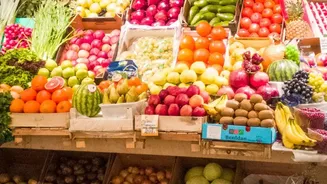
A smart menu is a budget-friendly menu. Plan your dishes around seasonal ingredients, which are fresher and more affordable. Instead of opting for exotic vegetables, build your feast around local produce. When making your shopping list, do a thorough check of your pantry first to avoid buying duplicates. For non-perishable staples like flour, sugar, and lentils, buying in bulk from wholesale markets can offer significant savings over purchasing smaller packets. When it comes to shopping, compare prices online and at your local kirana stores or vegetable mandis. Shopping well in advance, rather than at the last minute, allows you to take advantage of deals and avoid inflated festive prices.
Embrace Homemade Delicacies
Store-bought sweets and snacks are convenient but can heavily inflate your food bill. This year, consider rediscovering the joy of homemade festive treats. Preparing mithai, chaklis, or samosas at home is not only more cost-effective but also adds a personal touch that guests will appreciate. You can control the ingredients, making them healthier, and the process itself can become a fun family activity. If you're short on time, you don’t have to make everything from scratch. Focus on making one or two signature items at home and supplement with carefully chosen store-bought items.
Rethink the Gathering Style
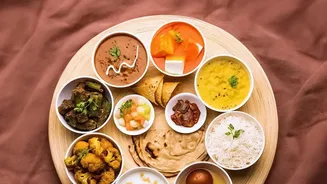
A grand feast doesn't have to be hosted by one person alone. Embracing a potluck model is a fantastic way to share the load, both financially and in terms of preparation. Ask each guest or family to contribute a dish. This not only reduces your expenses and workload but also introduces a wider variety of food to the table, making the meal more exciting for everyone. Alternatively, consider hosting a slightly smaller, more intimate gathering. The focus can then shift from the sheer quantity of food to the quality of the dishes and the time spent together. Remember, the goal is celebration and togetherness, not creating a competitive food display.
Cook Smart and Reduce Waste
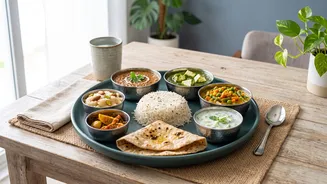
Intelligent cooking techniques can stretch your budget further. When preparing your main meals, think about how you can creatively use leftovers. For example, leftover vegetable curries can be used as a filling for parathas the next morning. If you have a heavy dinner planned, keep the other meals of the day light and simple, like poha or dal-roti, to balance both your budget and your diet. Being mindful of portion sizes when cooking and serving can also drastically reduce food waste, which is essentially throwing money away. Cook what you realistically need, and if you do have surplus, ensure it is stored properly and consumed.