







Understanding Visual Weight
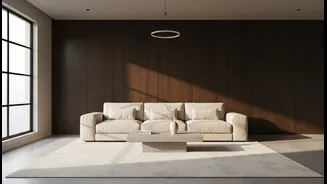
Before diving into the solution, it’s important to understand a concept called 'visual weight'. It’s not about how much an item physically weighs, but how heavy or light it appears to the eye. A large, dark, blocky sofa has a high visual weight, commanding
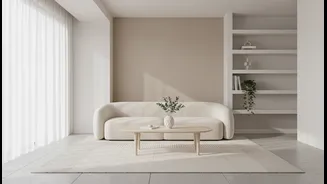
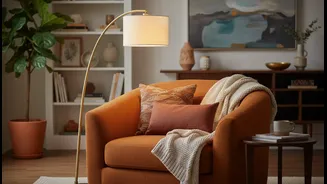
attention and making a space feel smaller. Curved furniture, with its large, uninterrupted surfaces, can often feel visually heavy, especially in smaller rooms which are common in many Indian cities. The goal is to choose pieces that have a soft silhouette but a low visual weight.
The Magic of a Compact Base
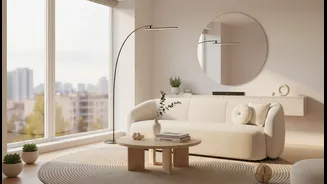
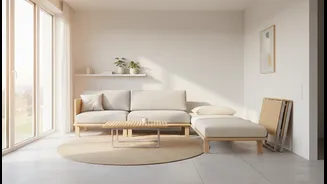
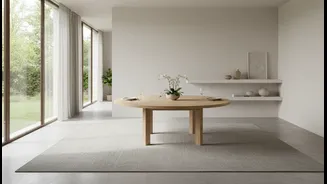
Here’s the first part of the trick: pay attention to the base. A curvy sofa or armchair that sits directly on the floor can look like a solid, heavy block. In contrast, a piece raised on slender legs feels instantly lighter. This is because letting light and air flow underneath creates negative space, which reduces the furniture's overall visual footprint. Think of it as letting the piece 'breathe'. Even a sculptural pedestal base, if it's narrower than the seat it's supporting, can make a round table or chair feel less imposing and more like a work of art.
Getting the Scale Just Right
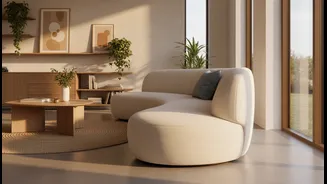
The second crucial element is scale, which refers to the size of an object in relation to the room it's in. A huge, rounded sectional might look fantastic in a spacious showroom, but it will overwhelm a compact apartment living room. Before buying, measure your space carefully. A good rule of thumb is to ensure there is plenty of room to walk around the furniture without feeling squeezed. For smaller homes, look for 'apartment-sized' curved sofas or loveseats. These pieces offer the same soft, inviting shape but are designed with more modest proportions, ensuring they complement the space rather than dominate it.
Applying the Principles at Home
So, how do you put this into practice? When shopping for a curved sofa, look for models with visible legs and a trim frame. If you’re considering a round dining table for a smaller dining nook, choose one with a pedestal base to maximise legroom and minimise visual clutter. For accent chairs, a rounded back paired with a slim or open base can fill an awkward corner without making it feel crowded. You can also balance a visually heavier curved piece by pairing it with lighter, straight-lined furniture elsewhere in the room to create a pleasing contrast.
Colour and Fabric Also Help
While base and scale are most important, colour and material also play a part. Lighter colours naturally feel less heavy than darker ones. Fabrics like boucle, linen, or soft velvets in neutral tones can enhance the cosy, sculptural look of rounded furniture without adding visual bulk. These textures add depth and interest, making the piece feel inviting and sophisticated. A light-coloured, leggy, and appropriately scaled curved sofa is the perfect example of getting this trend just right for any home.