


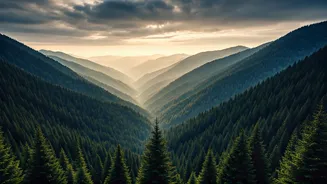


The Rise of the ‘Extreme’ Itinerary
In an age of curated social media feeds, the pressure to document a life filled with extraordinary moments has never been higher. This has translated into a travel culture obsessed with bucket lists and adrenaline. ‘Dangerous route chasing’ has become
a shorthand for this phenomenon: think high-altitude treks attempted without proper acclimatisation, risky solo road trips through remote areas, or diving into extreme sports with minimal training. These activities, while offering a potent thrill, often come with significant risks, including physical injury, environmental hazards, and the potential for accidents far from medical help. The pursuit isn't just about the experience itself, but about capturing the proof—the vertigo-inducing photo or the heart-stopping video clip that validates the adventure.
A Shift Towards Mindful Travel
However, a quiet but powerful counter-trend is emerging, particularly in India. The post-pandemic era has seen a profound shift in priorities, with a significant number of Indian travellers stating they now prioritize their mental wellbeing more than before. This has fueled the rise of ‘slow travel’ and wellness tourism. Instead of a frantic multi-city tour, travellers are opting to stay longer in one place, choosing depth over distance. The goal is no longer to see everything, but to truly experience one place. This mindset rejects the idea that a vacation must be a packed, stressful itinerary, and instead champions rest, connection, and rejuvenation.
The Deep Appeal of the Scenic Stay
So what does this look like in practice? It’s swapping a frantic schedule for a serene view. Imagine waking up in a glass-fronted cottage in Rishikesh overlooking the Ganges, staying in a heritage haveli in Rajasthan, or reading a book on the porch of a coffee plantation bungalow in Coorg. It’s the experience of a houseboat drifting through Kerala's backwaters or a resort tucked into the forests of Wayanad. These ‘scenic stays’ are about more than just a beautiful room; they are the destination itself. They offer an opportunity to disconnect from daily stressors, spend quality time in nature, and enjoy local culture at a leisurely pace. The luxury here isn’t about opulence, but stillness.
The Hidden Costs of Chasing Thrills
The argument for scenic stays isn’t just about the benefits of relaxation; it's also about the downsides of the chase. Adventure travel can be physically, financially, and mentally draining. The constant planning, the pressure to keep moving, and the inherent dangers can lead to travel burnout, where you return from a holiday more exhausted than when you left. Furthermore, many high-risk activities come with a high price tag and may not be covered by standard travel insurance, adding a layer of financial risk to the physical one. The focus on hitting a series of checkpoints can diminish the joy of discovery, turning a journey into a mere checklist of accomplishments.
Finding Your Place of Peace
Embracing this slower style of travel is easier than ever. It starts with a change in mindset: valuing rest as a valid and essential part of the holiday. When planning, look beyond the major tourist hubs. Search for terms like ‘slow travel’, ‘wellness retreat’, or ‘boutique homestay’. Many unique properties in places like the Sainj Valley in Himachal Pradesh or coastal Tamil Nadu offer solitude and immersion in nature. Read reviews that mention ‘peace’ and ‘relaxation’. The goal is to find a place that invites you to be still, to breathe, and to reconnect with yourself, proving that the most memorable journey can sometimes be the one where you travel the least.