





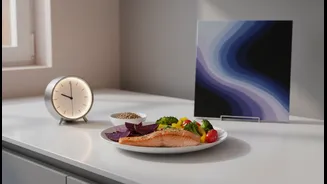


The Science of Our Internal Clocks
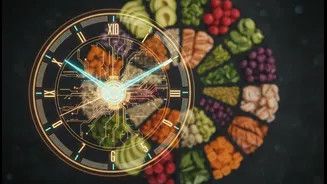
The conversation around meal timing is rooted in a field called chrononutrition. This science explores how our body's internal 24-hour clocks, or circadian rhythms, interact with our eating patterns. These clocks don't just manage sleep; they influence
hormone release, metabolism, and digestion. The core idea is that our bodies are primed to process food more efficiently during our active, daylight hours. Eating out of sync with this natural rhythm—like having large meals late at night when the body is preparing for rest—can disrupt metabolic processes. This misalignment has been linked to issues like impaired glucose control and increased fat storage, which is why researchers are so interested in finding optimal eating patterns.
Moving Past the 'Extreme' Diet Fads
Popular diets like time-restricted eating (TRE) and intermittent fasting (IF) have brought meal timing into the spotlight. These often involve strict, narrow eating windows, sometimes as short as six or eight hours per day. While some studies show benefits like improved insulin sensitivity and weight loss, the results are mixed, and sticking to such rigid schedules can be challenging. The latest research suggests that many of the observed benefits might not come from the timing itself, but from an unintentional reduction in overall calorie intake. A 2026 German study, for instance, found no significant metabolic benefits from an eight-hour eating window when calorie consumption was kept the same. This highlights a key point: extreme fasting protocols are often hard to sustain and may not be necessary for achieving health goals.
Consistency and Balance Over Rigid Rules
The emerging consensus favors a more practical and sustainable approach. Rather than obsessing over a perfect eating window, the focus is shifting toward consistency. Eating meals at roughly the same times each day helps stabilize your circadian rhythms, supporting better metabolic function. A 2025 study in the Journal of the American Heart Association noted that total calorie intake was more significant for weight management than the specific timing of meals. This doesn't mean timing is irrelevant, but it places a greater emphasis on what and how much you eat. The conversation, including commissions published by The Lancet on global diets, consistently points toward balanced, nutrient-dense food choices as the foundation of health. The takeaway is to build a routine that works for your life, rather than forcing your life to fit a diet.
Practical Steps for Better Meal Timing
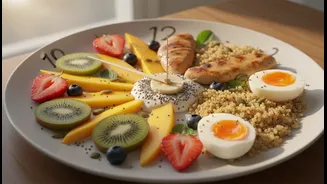
Instead of adopting an extreme diet, you can apply the principles of chrononutrition in a more flexible way. Start by aiming for a consistent eating window of around 12 hours, which is manageable for most people. For example, if you have your first bite at 8 AM, try to finish your last meal by 8 PM. Prioritizing calories earlier in the day appears to be beneficial, as your metabolism is more active. Studies have shown that people who eat a larger breakfast and a smaller dinner tend to have more success with weight management. One of the most impactful changes you can make is to avoid large meals within two to three hours of bedtime. Eating late at night can interfere with sleep and has been linked to higher body fat and poorer blood sugar control.
Listen to Your Body's Unique Rhythm
Ultimately, there is no single schedule that works for everyone. Your ideal eating pattern depends on your personal chronotype—whether you're a natural 'morning lark' or a 'night owl'—as well as your work schedule, family life, and activity levels. Recent research highlights that evening chronotypes who eat late may be more susceptible to higher body fat, even when consuming the same number of calories as morning people. This underscores the importance of self-awareness. Pay attention to your hunger cues, energy levels, and how you feel. The goal is not to follow a rigid doctrine but to create a healthy, sustainable eating pattern that aligns your meals with your body's natural clock and, most importantly, fits seamlessly into your daily life.