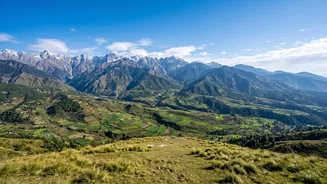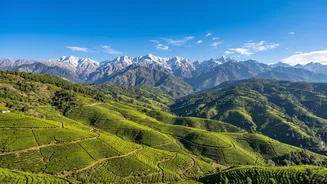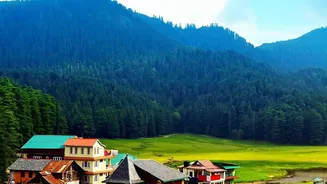

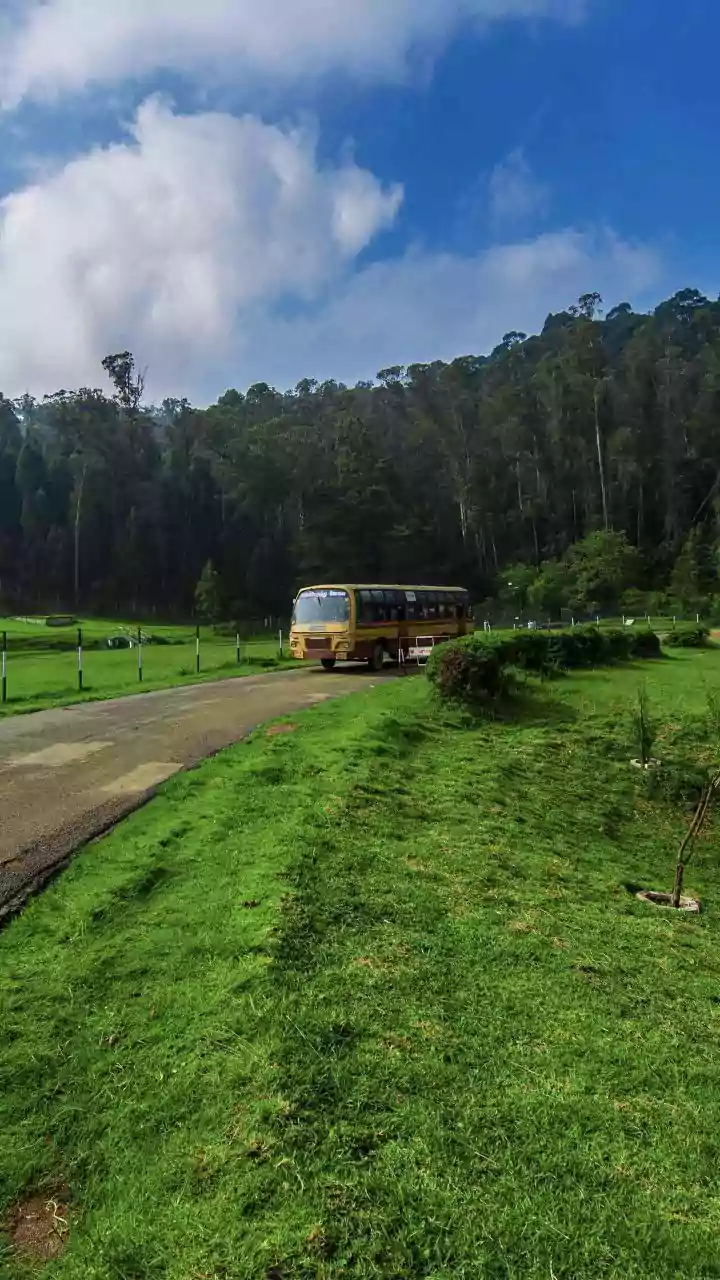


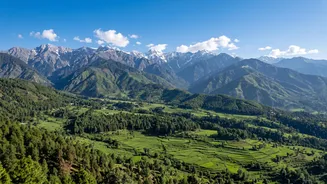


The Allure of Asia’s Paragliding Capital
Nestled in Himachal Pradesh, Bir Billing holds the title of the second-highest paragliding take-off point in the world. For years, it has attracted thrill-seekers who come to soar over the stunning Kangra Valley. The main flying season runs from October
to June, with tandem flights for beginners costing around ₹3000 for a 15-20 minute experience. The sight of colourful gliders dotting the sky is the town’s signature, creating a backdrop of constant, quiet adventure. But increasingly, the people watching from the ground are not just tourists on a short holiday; they are remote workers who have found a way to merge their professional lives with their passion for the outdoors.
The Ground Reality: Connectivity and Community
The first question for any remote worker is always about the internet. A decade ago, the idea of working a tech job from a Himalayan village was a fantasy. Today, it’s a reality. Bir has gradually adapted to the needs of its new, longer-stay residents. An entire ecosystem has sprung up, with cafes, hostels, and dedicated coworking spaces offering reliable Wi-Fi. Many establishments boast high-speed fibre connections, often with power backups to navigate the occasional mountain power cut. Places like The Trippy Tribe Hostel and Zostel have become popular for their balance of affordable stays and dependable internet. Meanwhile, dedicated coworking spaces like Karyashaala and Bir Nest cater specifically to digital nomads, offering ergonomic desks and guaranteed connectivity, ensuring that a video call with a client is as seamless as it would be in a city office.
Your New Office: The Cafe Culture
Beyond formal coworking spaces, Bir’s vibrant cafe culture is the backbone of its workation scene. These aren't just places to get coffee; they are de facto offices for a transient community of writers, coders, and designers. Cafes like June 16, Garden Cafe, and Silver Linings are frequently recommended for their work-friendly atmosphere and strong Wi-Fi. You can spend a morning coding at one, break for a lunch of authentic Tibetan food at another, and take your evening calls from a third, all within a short walk. This setup fosters a unique sense of community, where your “colleagues” are fellow travellers and remote professionals, all sharing the same incredible workspace.
Balancing Deadlines and Adrenaline Dives
The key to a successful workation in Bir is discipline. The daily rhythm is often built around focused work in the mornings, followed by adventure or relaxation in the afternoons. Many come with the intention to paraglide daily, but soon find a routine that balances work commitments with other activities. Afternoons might be for a tandem flight, a short trek to a nearby monastery, or simply watching the sunset from the landing site, a popular evening ritual. The town's compact nature makes it easy to switch between work and play. You can finish a project, close your laptop, and be at the landing site to cheer on the descending gliders within minutes. This effortless transition is what makes the Bir lifestyle so appealing.
Budgeting Your Mountain Life
One of Bir’s major draws is its affordability, especially for long-term stays. A dorm bed in a well-equipped hostel can cost as little as ₹400–₹700 per night, with monthly deals making it even more economical. Some hostels offer workation packages that bundle accommodation and workspace for a month for as low as ₹8,000 in a dorm or around ₹19,000 for a private room. Food is equally budget-friendly, with countless cafes and small eateries offering delicious meals for a few hundred rupees. Add in the cost of paragliding and other activities, and you can still manage a month-long workation for a fraction of what it costs to live and work in a major Indian metropolis.