







The Monsoon Factor
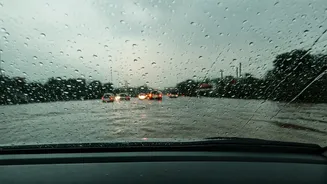
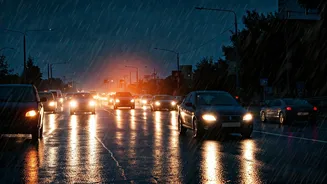
The monsoon season transforms Bengaluru's landscape, and not always for the better. While recent data from June 2026 shows some deficit in rainfall across Karnataka, Bengaluru itself has seen periods of excess rain. This often leads to familiar problems
for commuters: waterlogged streets, especially in low-lying areas, and the emergence of new, vision-obscuring potholes. The Bengaluru Traffic Police frequently issues advisories during heavy rainfall, urging caution and warning of disruptions. For anyone planning group travel, this is a critical variable. A road that was perfectly fine yesterday might be a no-go zone today, and larger vehicles like buses or tempo travellers will struggle more than a two-wheeler to navigate submerged stretches or make tight U-turns.
A City Under Construction
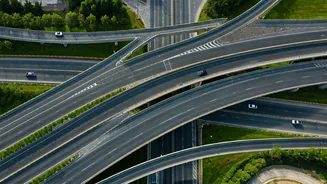
Bengaluru is in a constant state of evolution, with massive infrastructure projects like the Namma Metro and new elevated corridors reshaping the city. While these projects promise long-term relief, their short-term impact is often chaotic. Construction barricades can appear overnight, reducing road capacity and creating bottlenecks. Entire stretches are frequently dug up, leading to diversions that can add significant time and confusion to a journey. A recent incident even saw a new arterial road developing cracks and sinking before it was even inaugurated, highlighting concerns over construction quality. This constant churn means that even familiar routes can't be taken for granted. For a group booking, where timing is often precise, an unexpected diversion due to metro work can derail the entire schedule.
Why Groups Face Greater Risks
A solo traveller might be able to find a nimble alternate route on a bike, but a group in a larger vehicle is far less flexible. The consequences of hitting a bad road are magnified. A damaged tyre on a bus is a major logistical problem, not a minor inconvenience. A route change requested by a cab aggregator can lead to a fare dispute. Furthermore, the sheer volume of vehicles on the city's roads—which have seen an explosion in numbers without a corresponding expansion in road networks—means that congestion is the default state. This is particularly true on key corridors like the Outer Ring Road. Getting stuck in a gridlock with a group is not just frustrating; it can mean missing a train, a flight, or the start of an important event.
Your Digital Road-Check Toolkit
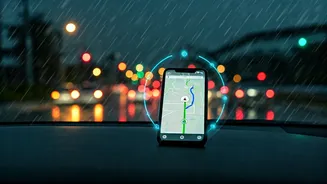
Thankfully, technology offers powerful tools to mitigate these risks. Before you confirm any group booking, a digital reconnaissance is essential. Start with standard navigation apps like Google Maps or Waze, but use them smartly. Check the live traffic layer at the time you plan to travel. Use the satellite view to visually inspect the road for signs of major construction. Beyond these, Bengaluru has its own dedicated tools. The Bengaluru Traffic Police have developed the BTP ASTraM app, which provides real-time updates on traffic incidents, congestion, waterlogging, and road closures directly from the source. Other apps like Mappls (formerly MapmyIndia) and the community-driven IndiaRoad Map are specifically designed to highlight Indian road conditions, including pothole and speed-breaker alerts.
Don't Forget Low-Tech Checks
While apps are invaluable, they don't replace common sense and local knowledge. When booking a venue for a group event, call them directly and ask about the current condition of the access roads. If you're booking a bus or van, ask the transport operator if their drivers have recently been on that specific route and if they've faced any issues. Social media can also be a powerful, real-time resource. A quick search on platforms like X (formerly Twitter) or a query in a local Bengaluru community group on Reddit or Facebook can yield immediate, on-the-ground reports from fellow citizens about a road's current state. This blend of high-tech and human intelligence is your best defence against the city's unpredictable streets.