







Let There Be Layered Light
The single biggest mistake in creating a cosy space is relying on one harsh overhead fixture, often called the “big light.” This creates stark shadows and a flat, uninviting atmosphere. Instead, the secret is to layer your lighting. Aim for a combination
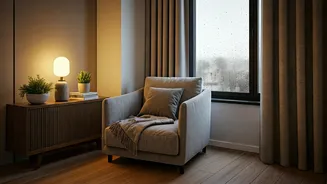
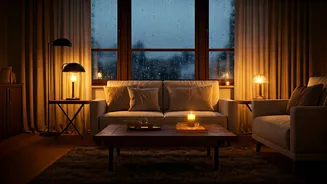
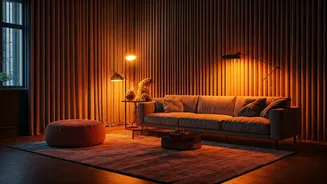
of ambient, task, and accent lighting from multiple sources. Start with a base layer of soft, general light from recessed fixtures or sconces. Then, add task lighting for specific activities, like a floor lamp by a reading chair. Finally, use accent lights to highlight artwork or architectural features. Crucially, choose bulbs with a warm colour temperature, typically between 2700K and 3000K, to cast a gentle, golden glow rather than a sterile white light. Installing dimmer switches is another game-changer, allowing you to control the intensity and mood throughout the day.
The Psychology of Warm Colours
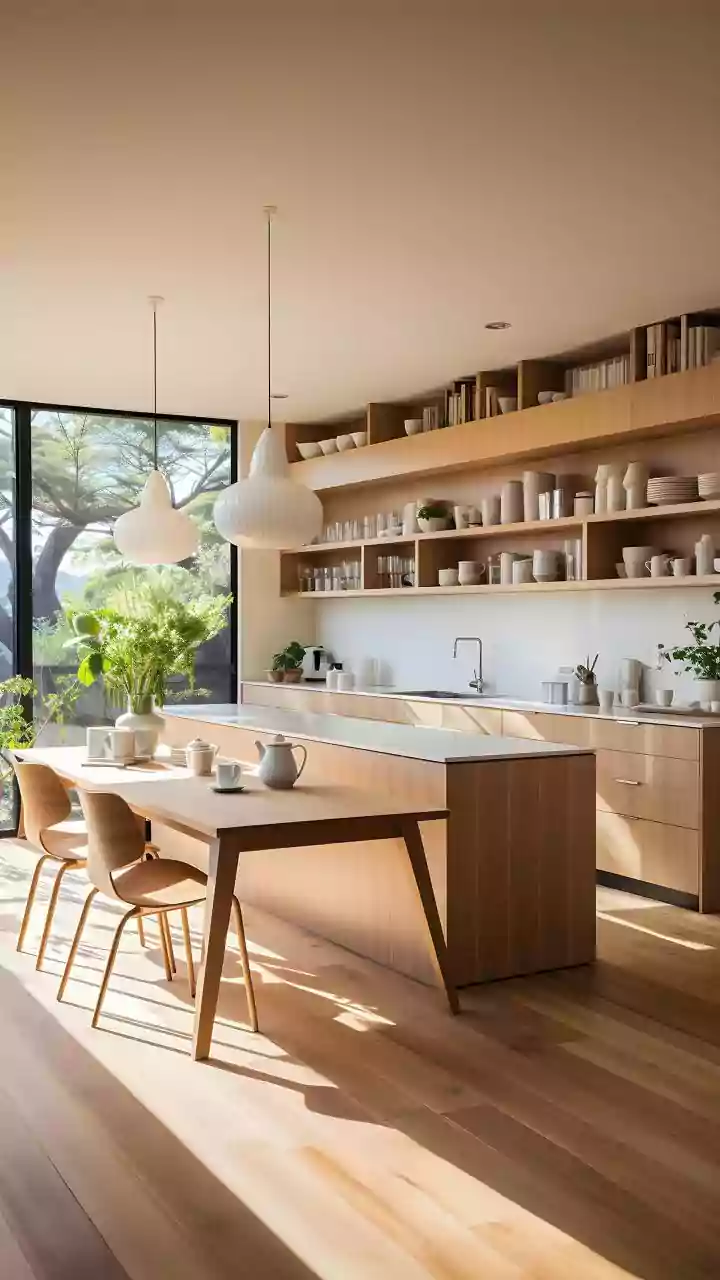
Colour is one of the fastest ways to influence the mood of a room. While dark, moody hues can feel cocooning, you don't need them to create warmth. Rich, earthy tones like terracotta, ochre, and spice shades like cinnamon are incredibly effective at making a room feel grounded and inviting. If you prefer a lighter palette, focus on warm neutrals. Instead of a stark, blue-toned white, opt for creamy whites, beige, or greige (a mix of grey and beige) with yellow or pink undertones. These colours stay warm even in low light. You can also use the 80/20 rule: keep 80% of the room in neutral, calming shades and introduce a richer, warm colour in the remaining 20% through accessories like cushions, throws, or a statement piece of furniture.
Texture Is Your Best Friend
A room's feeling isn't just about what you see; it's also about what you can touch. Layering different textures is essential for a space that feels rich, comfortable, and complete. Mix a variety of materials to add depth and interest. Think of plush rugs on hardwood floors, velvet or linen cushions on a leather sofa, and chunky knit or faux-fur throws draped over a chair. These soft surfaces do more than just feel good; they also help absorb sound, making a room feel quieter and more serene. Natural materials like wood, wicker, and wool are especially good at adding an organic, unfussy warmth.
Declutter for Cosy, Not Chaos
There’s a fine line between a collected, personal space and a cluttered, stressful one. Cosiness thrives on a sense of order and calm, which is impossible when surrounded by mess. A cluttered environment creates visual noise that contributes to stress. This doesn't mean you need to become a minimalist. It simply means being intentional about what you keep and display. The key is to ensure everything has a home. Use smart storage solutions like lidded baskets and ottomans with hidden compartments to tuck away everyday essentials like remotes and chargers. Regularly declutter surfaces like coffee tables and countertops, leaving only a few meaningful items on display. A simple daily habit, like a 10-minute tidy-up before bed, can prevent clutter from accumulating and maintain that restful feeling.
Finishing Touches and Clever Illusions
A few final tricks can amplify the bright and cosy atmosphere. Mirrors are a classic designer tool for a reason; a well-placed mirror can bounce natural and artificial light around the room, making it feel brighter and more spacious. Don't underestimate the power of scent. A subtle, warm fragrance from a candle or essential oil diffuser can make a space feel instantly more welcoming. Finally, adding life with indoor plants softens hard edges and brings a touch of nature indoors, contributing to a tranquil and lived-in feel.