


The Age of the Matching Set
Remember the quintessential ‘perfect’ living room? It often featured a five- or seven-seater sofa set, complete with a matching centre table and side tables, all bought from a single catalogue. This 'matchy-matchy' approach was long considered the hallmark
of a well-put-together home. It represented order, prosperity, and an easy, turnkey solution to decorating. The goal was a harmonious, almost formal look that was impressive to guests. Every piece belonged to a family, creating a unified aesthetic that was easy to execute but often lacked a personal spark. It was a home designed to look ‘correct’ rather than to reflect the unique lives of the people within it.
Enter the Curated Home
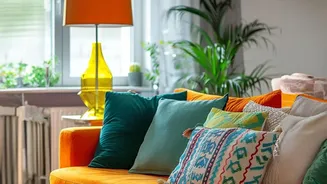
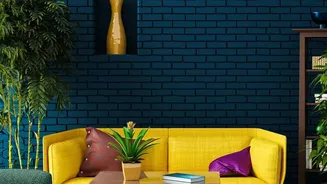
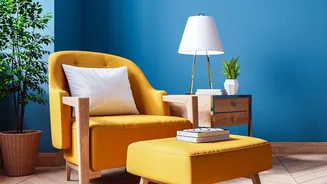
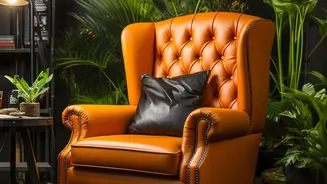
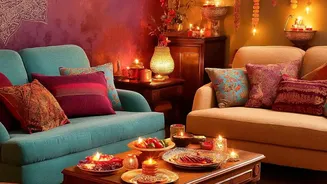
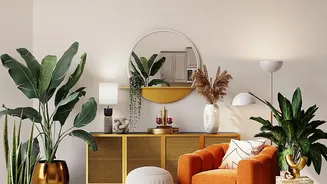
Today, that uniform look is fading. In its place is a more eclectic, layered, and deeply personal approach to interiors. Homeowners are increasingly ditching the five-piece set for a curated mix of furnishings that tell a story. This might mean pairing a modern sofa with a vintage armchair inherited from a grandparent, a handcrafted wooden table from a local artisan, and a collection of art picked up during travels. The new ideal isn't about everything matching; it's about everything belonging. This shift is a move away from minimalism's starkness and towards a warmer, more expressive style that some call 'maximalism' or simply, personal. It's less about a specific trend and more about a philosophy: your home should be an autobiography, not a brochure.
Why the Sudden Change?
Several factors are driving this design evolution. The foremost is exposure. Social media platforms like Instagram and Pinterest have become global design galleries, showing Indian homeowners a world of possibilities beyond the local furniture store. This digital window has given people the confidence to experiment and define their own style. The pandemic also played a crucial role, forcing people to spend unprecedented time at home and see their spaces not just as places to live, but as sanctuaries that needed to be comfortable, functional, and joyful. Furthermore, a new generation of Indian designers and boutique brands is championing local craftsmanship and sustainability, encouraging the use of unique, handmade pieces over mass-produced items.
What This New Style Looks Like
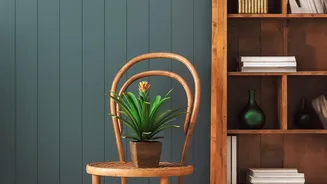
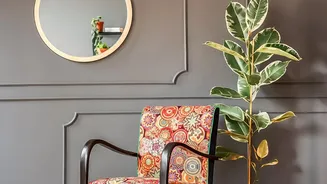
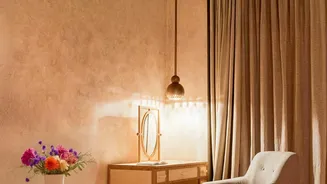
So, what are the key elements of this new, individualistic Indian interior? It’s a rich tapestry. Warm neutrals have replaced stark whites and greys, creating a more inviting and forgiving backdrop. Natural materials are celebrated, with a focus on solid wood, stone, cane, and rattan. There is a renewed love for artisanal and handcrafted items, from handwoven textiles and block-printed fabrics to terracotta pottery and metal art. This approach seamlessly blends old and new, high and low. An antique brass lamp might sit on a sleek, modern console, or a wall might feature a traditional art form like Madhubani painting next to contemporary prints. It's about creating visual interest through texture, layers, and objects that hold personal meaning.
A Home That Tells Your Story
This movement is about more than just aesthetics; it reflects a broader cultural shift towards individuality. In a society once driven by collective norms, people are now more confident in expressing their personal identity, and their homes are a primary canvas for this expression. Homes are becoming deeply personal reflections of comfort, aspiration, and identity. The focus is shifting from a 'show home' meant to impress others to a 'story home' that nurtures its inhabitants. It’s an embrace of imperfection, a celebration of memory, and a quiet declaration that the most beautiful space is one that truly feels like you. The move is towards 'slow interiors', where spaces evolve gradually and intentionally.