



The End of the Mid-Afternoon Crash
The primary driver behind the switch is how the body processes the caffeine in each drink. While an espresso shot or a strong cup of coffee can contain more caffeine than a standard serving of matcha, the experience is vastly different. Coffee provides
a rapid, potent spike of energy, which for many is followed by an equally precipitous crash, leading to afternoon fatigue and the desire for another cup. This cycle can create feelings of jitteriness and anxiety. Matcha, on the other hand, provides what many describe as a smoother, longer-lasting energy boost that can last four to six hours. This is due to the presence of L-theanine, an amino acid that works in synergy with caffeine. L-theanine promotes the production of alpha brain waves, which are associated with a state of relaxed alertness, often called "calm focus." This allows professionals to stay productive without the nervous energy or the dreaded productivity slump that can follow a coffee high.
A Push for Holistic Wellness
The shift from espresso to matcha also reflects a broader cultural move towards holistic wellness, especially among younger generations. Matcha is more than just a source of caffeine; it is an antioxidant powerhouse. Because you consume the entire ground tea leaf, you ingest a higher concentration of beneficial compounds, like catechins, than you would from steeped green tea. One specific catechin, EGCG (epigallocatechin gallate), is particularly abundant in matcha and has been studied for its potential to boost metabolism and protect cells from damage. For a generation acutely aware of mental health, matcha's ability to provide focus without amplifying anxiety is a significant advantage. The calming effect of L-theanine can counteract the anxiety-inducing side effects that some people experience with high doses of coffee, making it a more suitable choice for a high-pressure workday.
The New Workplace Ritual
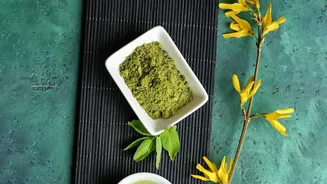
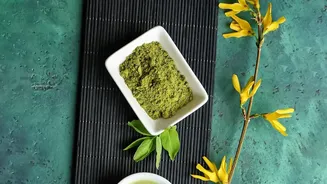
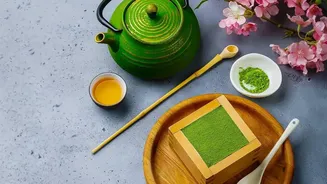
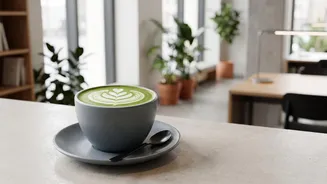
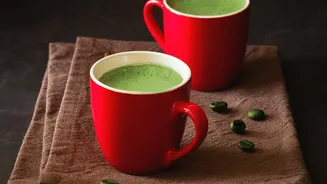
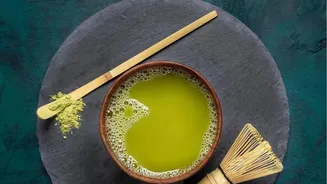
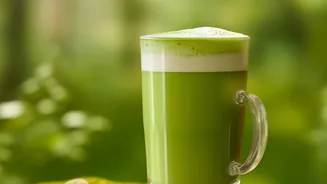
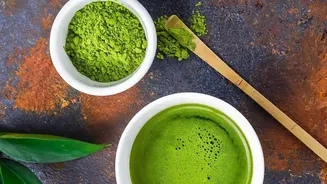
This trend is also visible in India's evolving café culture, which increasingly caters to a health-conscious urban clientele. Cafes in cities like Mumbai, Bengaluru, and Delhi are featuring extensive matcha options on their menus, from traditional preparations to creative lattes and coolers. This rising availability makes it easier for young professionals to experiment with and adopt matcha as their go-to work beverage. The drink's photogenic, vibrant green colour has also made it a star on social media, further driving its popularity among a generation that values aesthetics alongside wellness. For many, the act of preparing matcha at home—sifting the powder and whisking it into a froth—has become a mindful morning ritual, a stark contrast to the rush of brewing a quick espresso. This deliberate, slower process aligns with a desire for less burnout and more balance in the workday.
A Question of Taste and Tolerance
Ultimately, the choice between espresso and matcha is personal. Coffee offers a bold, intense flavour and a powerful, immediate energy boost that many still prefer. However, for a growing number of young urban professionals, the benefits of matcha are tipping the scales. Its ability to deliver sustained energy, enhance focus without the jitters, and align with a wellness-oriented lifestyle makes it an increasingly popular choice for navigating the demands of modern work. The shift is not necessarily about abandoning caffeine, but about choosing a 'smarter' or more functional way to consume it. As interest grows, consumers in India are not just ordering it at cafes but are actively searching for how to prepare it at home, signalling a deeper integration into daily routines.