






The Science of Smart Recovery
What does your body actually need after exercise? The answer lies in two key macronutrients: protein and carbohydrates. Exercise creates tiny micro-tears in your muscles, and protein provides the amino acids necessary to repair this damage and build stronger
tissue. At the same time, your body uses stored carbohydrates, called glycogen, for energy. Replenishing these glycogen stores is crucial for restoring energy levels and preparing for your next workout. An effective recovery meal isn't just about protein; it's about a balanced combination of protein for repair and carbohydrates for refueling. Plant-based foods are particularly effective as they can also help reduce inflammation, further aiding the recovery process.
Lentils: The All-Rounder
Lentils are a nutritional powerhouse and a fantastic, affordable option for post-workout recovery. A single serving provides a substantial amount of protein, which is vital for muscle maintenance and repair. But just as importantly, lentils are packed with complex carbohydrates. These carbs are digested slowly, providing a steady release of energy to replenish depleted glycogen stores without causing a sugar spike. Beyond the macronutrients, lentils are rich in iron, a mineral essential for transporting oxygen to your muscles. They also contain folate, which supports red blood cell formation and proper nerve function, making them a truly comprehensive recovery food.
Tofu: The Versatile Repair Tool
Tofu, made from soybeans, has earned its place as a staple in plant-based diets for good reason. It is one of the few plant foods that is a 'complete protein', meaning it contains all nine essential amino acids your body needs for muscle synthesis. This makes it an excellent alternative to animal protein for rebuilding muscle tissue after a tough session. Tofu is also incredibly versatile and digests easily, delivering those crucial amino acids steadily without causing the digestive stress that some heavier proteins can. Furthermore, it contains isoflavones, which have anti-inflammatory properties, helping to calm the exercise-induced inflammation that can delay recovery. It's also a source of calcium and magnesium, which contribute to bone health and proper muscle function.
Edamame: The Protein Powerhouse
Often enjoyed as a simple snack, edamame (immature soybeans) are a convenient and potent recovery food. Like tofu, edamame provides complete protein, offering all the essential amino acids needed to kickstart muscle repair. A one-cup serving delivers a significant protein punch, making it a great option to consume within the post-workout window. In addition to protein, edamame is an excellent source of dietary fiber, which aids in digestion and promotes satiety. They are also rich in several micronutrients that support recovery, including folate for cell growth and repair, magnesium for muscle function, and potassium.
Pumpkin Seeds: The Nutrient-Dense Finisher
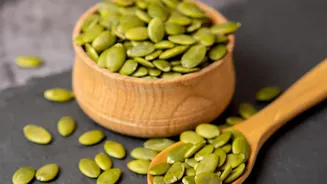
While smaller in size, pumpkin seeds offer a concentrated dose of recovery-boosting nutrients. A handful provides a solid serving of plant-based protein to contribute to muscle repair. But their real strength lies in their mineral content. Pumpkin seeds are one of the best dietary sources of magnesium and zinc. Magnesium plays a critical role in muscle function, nerve transmission, and energy production, and can help reduce fatigue. Zinc is crucial for a healthy immune system and also assists in rebuilding muscle tissue after it has been broken down during exercise. Sprinkling these seeds over a meal or eating them as a snack is an easy way to top up on these vital recovery minerals.