


Discover the Old World Charm of Bonedi Baris
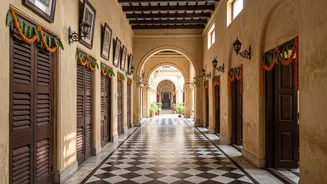
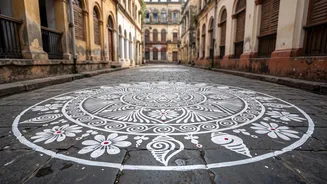
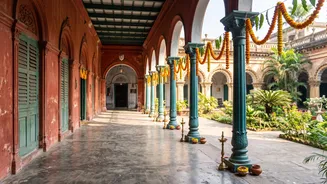
Step back in time by visiting the 'Bonedi Baris'—the ancestral homes of Kolkata's old aristocratic families. For centuries, these families have been hosting private pujas in their grand, columned courtyards, known as 'Thakur Dalans'. These celebrations
predate the large-scale community pandals and offer a glimpse into age-old traditions and rituals that have been passed down through generations. Unlike the bustling energy of public pandals, the atmosphere here is intimate and steeped in heritage. Many families open their doors to visitors during the puja days, allowing you to witness a style of worship that is deeply personal and rooted in history. Famous examples that welcome respectful visitors include the Sovabazar Rajbari and the pujas of the Mallick, Dutta, and Ghosh families, primarily located in North Kolkata.
Witness Art in the Making at Kumartuli
Before the idols grace the pandals, they are born from river clay and straw in the historic potters' quarter of Kumartuli. A walk through these narrow lanes in North Kolkata offers a fascinating look at the craftsmanship behind the festival. Hundreds of workshops house artisans who painstakingly sculpt and paint the deities. The best time to visit is in the weeks leading up to the main festival, when the lanes are a living gallery of idols in various stages of completion. You can watch as artists bring the clay figures to life, from shaping the initial framework to the sacred ritual of 'Chokkhudaan'—the painting of the goddess's eyes. It’s a powerful experience that connects you to the artistic soul of the celebration. Remember to be respectful, as these are active workplaces.
Embark on a Culinary Pilgrimage
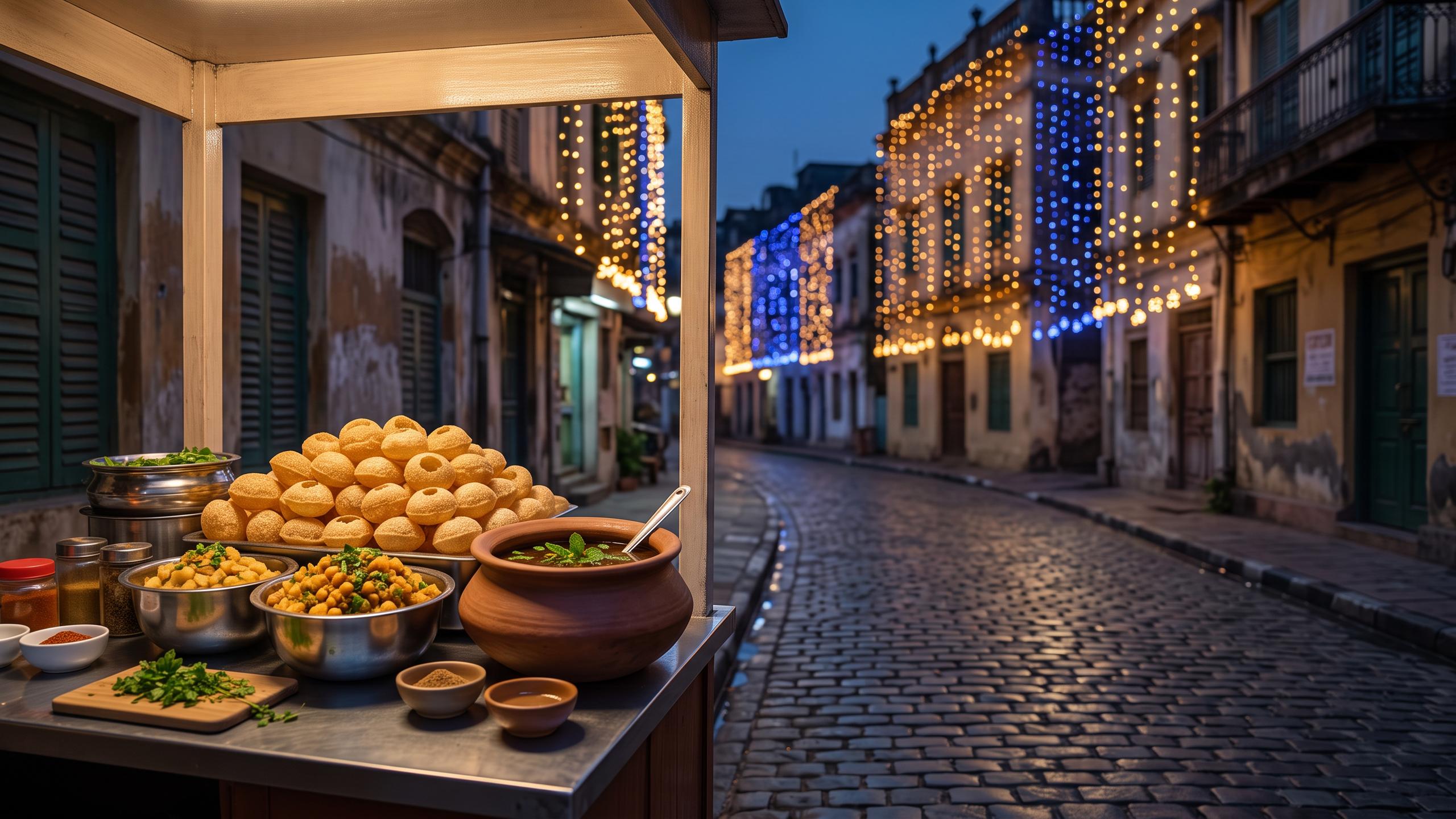
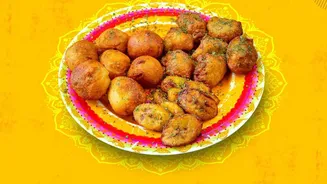
Durga Puja is a city-wide feast, and skipping the food would be missing half the fun. Start with the 'bhog'—the sacred food offered to the goddess and then distributed to devotees. This simple, soulful meal, typically consisting of khichuri, a mixed vegetable dish called labra, and fried items, is often served at community pandals. But the culinary journey doesn't stop there. The streets come alive with vendors selling Kolkata's iconic street food. You can't go wrong with phuchka (the local version of pani puri), spicy kathi rolls, and an array of deep-fried snacks like fish chops and vegetable cutlets served with tangy kasundi mustard. For dessert, indulge in classic Bengali sweets like sandesh and mishti doi (sweet yogurt).
Explore the Neighbourhood 'Para' Pujas
While the mega-pujas with their massive budgets and headline-grabbing themes dominate social media, the heart of the festival beats in the smaller neighbourhood pujas, or 'parar pujos'. These are community-funded and organised events that foster a genuine sense of togetherness. Here, the focus is less on spectacle and more on shared celebration. You'll find residents gathering for 'adda' (leisurely conversations), participating in cultural programs, and taking part in rituals together. Wandering into a parar pujo gives you a taste of the festival's community spirit, away from the overwhelming crowds. It’s here that you can hear the unfiltered sound of the 'dhaak' (traditional drums) and feel the warmth and hospitality that defines the event.
Experience the Grand Finale at the Ghats
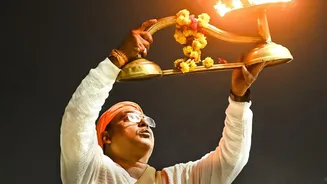
The festival culminates on Dashami (the tenth day) with 'Bisarjan', the immersion of the Durga idols in the Hooghly River. The ghats (riverfront steps) become a spectacle of emotion and sound. Processions from across the city make their way to the river, accompanied by drumming, dancing, and chants of 'Aasche bochor abar hobe!' (It will happen again next year). Women engage in 'Sindoor Khela', smearing each other with vermilion powder to bid farewell to the goddess. Finding a spot at a ghat like Babughat or Ahiritola Ghat to watch the immersions is a poignant and visually stunning way to conclude your Durga Puja experience. It’s a moment of farewell that is simultaneously sorrowful and filled with hope for the goddess's return.
Practical Tips for Your Puja Trail
Navigating Kolkata during Durga Puja requires some planning. The Kolkata Metro is your most reliable friend, as it runs on an extended schedule and helps bypass the immense traffic jams on the streets. For shorter distances within a neighbourhood, walking is often the fastest option, so comfortable shoes are non-negotiable. While evenings are when the city is fully illuminated and at its atmospheric best, mornings are significantly less crowded, allowing you to appreciate the artistry of the pandals and idols up close. Carry cash for street food stalls, stay hydrated, and most importantly, allow yourself to wander without a rigid plan.