




The Significance of a Sattvic Diet
Shravan, which in 2026 begins around July 30 for North India, is a period of spiritual cleansing. Many devotees observe fasts, often on Mondays (Somwar), or adopt a fully vegetarian, or sattvic, diet for the entire month. This traditionally means avoiding
non-vegetarian food, onions, garlic, and sometimes regular table salt and certain grains. The goal is to consume pure, simple foods that calm the mind and aid digestion. However, a restricted diet can sometimes lead to fatigue if not planned correctly. This is why a balanced approach is crucial, ensuring you get all the necessary nutrients to stay energetic for prayers and daily activities.
Vegetables: The Foundation of a Fasting Meal
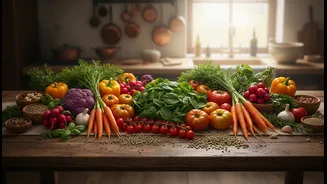
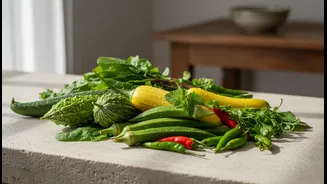
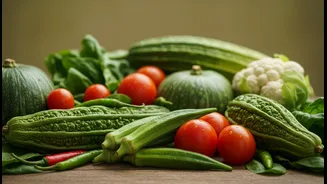
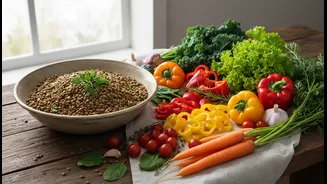
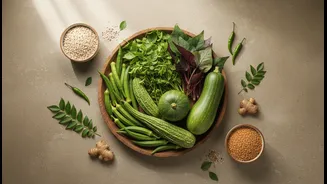
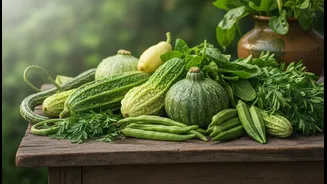
During the monsoon season of Shravan, nature offers a variety of vegetables that are perfect for a fasting diet. Many commonly allowed vegetables like bottle gourd (lauki), pumpkin, potatoes, sweet potatoes, and tomatoes are packed with essential vitamins, minerals, and fibre. Fibre is crucial for maintaining digestive health and providing a feeling of fullness, which helps manage hunger pangs during a fast. These vegetables are also hydrating, which is important for overall well-being. Incorporating a simple sabzi made with lauki or potatoes, seasoned with rock salt (sendha namak), cumin, and green chillies, can turn a simple meal into a nourishing one. They provide the complex carbohydrates needed for sustained energy release.
Lentils: The Protein Powerhouse
While many dals and legumes are avoided during stricter Shravan fasts, the rules can vary by region and family. In traditions where they are permitted, lentils are an invaluable source of plant-based protein. Protein is essential for repairing tissues, building muscle, and keeping you feeling full for longer. A single cup of cooked lentils provides a significant amount of protein and fibre with very little fat. Moong dal, in particular, is often considered lighter and easier to digest, making it a suitable option for a sattvic diet in some traditions. Including a simple dal preparation in your main meal ensures that your body isn't deprived of this crucial macronutrient, preventing the weakness that can sometimes accompany fasting.
Building a Balanced Shravan Thali
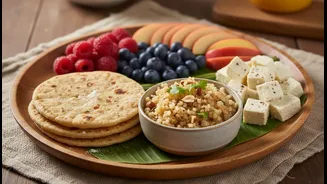
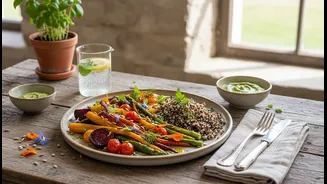
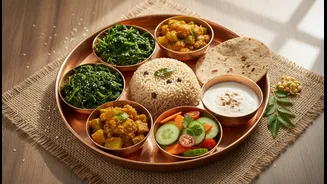
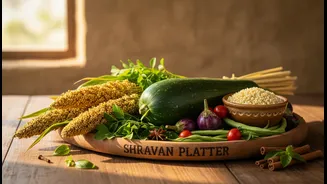
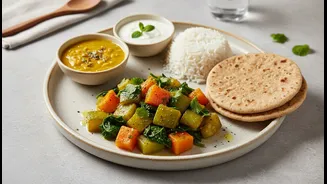
Creating a balanced meal is about combining different food groups. A typical Shravan thali can be both delicious and nutritionally complete. Start with a foundation of vrat-friendly grains like amaranth (rajgira), buckwheat (kuttu), or barnyard millet (samak rice). These provide energy-giving carbohydrates. Pair this with a vegetable dish, such as a simple potato and tomato curry or a stir-fried pumpkin. If your tradition allows, add a small bowl of lightly spiced moong dal for protein. A side of fresh curd or buttermilk offers probiotics and calcium, aiding digestion and cooling the body. This combination ensures you get a mix of carbs, protein, fats, vitamins, and minerals in one meal.
Simple and Nourishing Meal Ideas
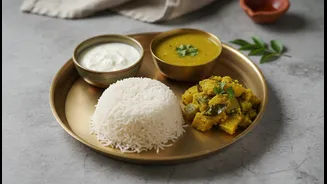
Putting this into practice doesn't have to be complicated. For a satisfying lunch, a Samak Rice Khichdi cooked with diced potatoes, peanuts, and mild spices is a perfect one-pot meal. It combines grains and vegetables efficiently. Another option is to make rotis or puris from kuttu or rajgira flour and serve them with a hearty lauki sabzi. For those who include lentils, a simple moong dal tempered with ghee, cumin seeds, and ginger can be paired with steamed samak rice. These meals are not only compliant with most fasting traditions but are also designed to be light on the stomach, aligning perfectly with the sattvic principles that guide the Shravan diet.