





The Old Prime Time is Now Anytime
The most significant change has been the dismantling of 'appointment viewing'. For decades, television serials dictated household schedules. Missing an episode meant a frustrating wait for a repeat telecast. Web originals have shattered this model entirely.
The new prime time is whenever you want it to be. This convenience is a powerful driver of the shift. In a fast-paced world, viewers, especially younger ones, prefer the freedom to watch content on their own terms — on a phone during a commute, on a laptop late at night, or binged over a weekend. Platforms like Netflix, Amazon Prime Video, and Disney+ Hotstar offer entire seasons at once, turning a daily commitment into an immersive, self-paced experience. According to actor Karan Patel, this on-demand culture has meant that the special importance once given to a daily soap's time slot has now faded. The power has decisively shifted from the broadcaster's schedule to the viewer's control.
From Repetitive Tropes to Relatable Stories
Content is at the heart of this revolution. Many viewers grew tired of the endless, stretched-out plots of daily soaps, which often lose their way after hundreds of episodes filled with repetitive drama, supernatural detours, and clichéd characters. Web series, in contrast, are typically built on a finite structure — a limited number of episodes with a clear beginning, middle, and end. This format encourages tighter scripts, nuanced character development, and narrative risk-taking. Freed from the constraints of traditional broadcast censorship, creators are exploring a wider range of genres and themes, from gritty crime thrillers and complex political dramas to subtle, slice-of-life stories. This variety caters to a more discerning audience that craves storytelling that feels more authentic and reflective of contemporary Indian life.
The New Family Viewing Hour
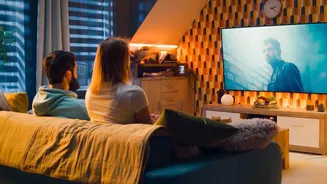
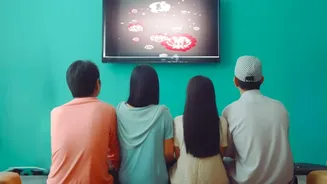
While streaming is often seen as an individual activity, a fascinating trend is emerging: the rise of family co-viewing. What started as a phenomenon among urban, English-speaking audiences has now entered a phase of 'massification', reaching deep into Tier-2 and Tier-3 cities and across different age groups. Far from isolating family members on separate screens, web series are creating new shared cultural moments. Families now bond over binge-watching shows like 'Gullak' or 'Panchayat', discussing plot points and character arcs. A 2024 survey revealed that 64% of urban Indians now watch OTT content with their families at least once a week, with many feeling it helps them connect and understand each other better. Recognizing this, platforms are now strategically commissioning more family-friendly content, turning the living room smart TV into the new hub for shared entertainment.
Technology Made It All Possible
This entire shift rests on a technological foundation built over the last decade. The proliferation of affordable smartphones and, most critically, some of the cheapest mobile data rates in the world have democratized content consumption. Indians are now the largest consumers of mobile data globally, a trend largely fuelled by video streaming. High-speed internet is no longer a luxury but an essential utility, and the growing penetration of smart TVs and connected devices means OTT content is increasingly enjoyed on the big screen at home. This robust digital infrastructure has created the perfect environment for streaming platforms to thrive and for viewers to make the switch seamlessly.
A Different Breed of Stardom
The rise of web originals has also cultivated a new star system. While television and Bollywood have their established hierarchies, OTT platforms have become a launchpad for a different kind of talent. Actors like Manoj Bajpayee ('The Family Man') and Jaideep Ahlawat ('Paatal Lok') have become household names, celebrated for their craft and their ability to lead complex narratives. These platforms have provided a space for performers to shine based on their skills rather than just their conventional star power, and audiences have responded enthusiastically. This has created a vibrant ecosystem of artists who resonate with viewers looking for powerful performances in story-driven content.