


What is the Cat-Cow Pose?
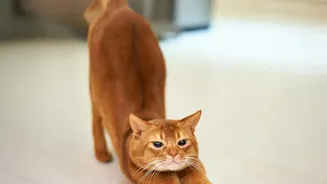
Cat-Cow is not one static pose but a dynamic flow between two complementary positions: Cat Pose (Marjaryasana) and Cow Pose (Bitilasana). Typically performed on your hands and knees in a tabletop position, the sequence involves rhythmically arching and rounding
your spine. The 'Cow' portion involves dropping the belly, lifting the chest and tailbone in a gentle backbend, while the 'Cat' portion involves rounding the spine towards the ceiling, tucking the chin and tailbone. This pairing of spinal flexion and extension makes it a foundational movement for warming up the body and connecting with the breath.
The Core Benefits of the Flow
Practising Cat-Cow regularly offers a host of benefits. Primarily, it improves the flexibility and mobility of the spine by gently articulating each vertebra. This can be especially effective for relieving stiffness and tension in the back, neck, and shoulders, often caused by long hours of sitting. The movement also stimulates and massages the abdominal organs, which can aid in digestion. Furthermore, by synchronising the physical motion with your breath, Cat-Cow becomes a calming practice that can reduce stress and enhance your mind-body connection.
A Step-by-Step Guide to the Poses
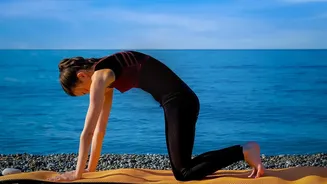
To begin, find a tabletop position on your hands and knees. Your wrists should be directly under your shoulders and your knees directly under your hips, about hip-width apart. Spread your fingers wide and keep your neck as a natural extension of your spine, with your gaze soft and directed toward the floor.For Cow Pose (Bitilasana), inhale as you drop your belly toward the mat. Lift your chin and chest, looking forward or slightly up, and broaden across your collarbones, drawing your shoulders away from your ears.For Cat Pose (Marjaryasana), exhale as you press the floor away with your hands and round your spine toward the ceiling. Tuck your tailbone and draw your navel toward your spine, releasing your head toward the floor without forcing your chin to your chest. This completes one round.
The Art of Smooth Movement
The magic of Cat-Cow lies in the transition. Instead of rushing, aim for a slow, fluid motion that feels like a wave travelling up and down your spine. Let your breath guide the entire sequence; a full inhalation for the duration of Cow pose and a full exhalation for the duration of Cat pose. Initiate the movement from your tailbone, allowing the wave to ripple up through your spine until it reaches your head last. Some teachers even suggest a slight, controlled bend in the elbows as you transition, which can help engage the arms more fully and create a deeper, more supported movement. This mindful pacing transforms the stretch from a mechanical exercise into a moving meditation.
Common Mistakes to Avoid
One of the most frequent errors is moving too quickly and not coordinating the movement with the breath. Another is poor alignment, such as having hands too far forward or knees too wide, which can strain joints. Be mindful not to crunch your neck in Cow Pose; instead, keep it long. Similarly, avoid shrugging your shoulders up toward your ears, which creates tension. Lastly, be careful not to hyperextend or lock your elbows. Keeping a micro-bend in the elbows protects the joint and helps engage your muscles for better stability.
Modifications for Every Body
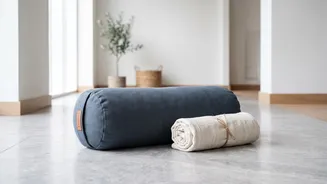
Cat-Cow is highly adaptable. If you have sensitive knees, placing a folded blanket underneath them can provide cushioning. For wrist pain, you can perform the pose on your forearms or on your fists to keep the wrists neutral. The entire sequence can also be done while seated in a chair, making it accessible for practice at the office or for those who have difficulty getting on the floor. For a greater challenge, you can try lifting your knees a few inches off the floor to engage your core more deeply.