








The Unsung Hero Revealed
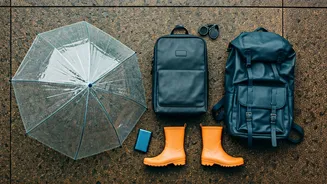
Forget the stuffy, sweat-inducing rain jacket or the flimsy, inside-out-prone compact that barely covers your shoulders. We’re talking about the humble, full-sized, sturdy umbrella. Often called the ‘grandfather’s umbrella’ or the classic black brolly,
this is the unsung hero of the Indian monsoon. It’s the one item that has gracefully weathered decades of changing trends, proving its worth with every downpour. It isn’t just a tool; it's a statement of quiet confidence against the elements, a portable piece of personal architecture that declares you are prepared, practical, and unbothered by a little—or a lot of—rain.
Function Over Fleeting Fads
The superiority of a large, well-built umbrella is a matter of simple physics and comfort. Unlike a raincoat, which traps body heat and turns a humid walk into a steamy ordeal, an umbrella offers superior ventilation. Air flows freely, keeping you cool and comfortable. It creates a generous dry zone, not just for you, but potentially for a friend or your shopping bags. Ever tried to shield a laptop bag with a raincoat? It’s an awkward dance. An umbrella provides a wide, protective canopy. Furthermore, it allows you to hear the world around you—the rhythm of the rain, the traffic, the sounds of the city—without the crinkling, muffled isolation of a hood. When you step inside, a quick shake is all it takes; no peeling off a damp, clinging layer of plastic.
An Icon of Style and Nostalgia
There is an undeniable elegance to a classic umbrella. Think of iconic scenes in Hindi cinema, from Raj Kapoor and Nargis in ‘Shree 420’ to modern romances where it serves as a shared cocoon. The long, curved handle—often made of wood—feels substantial and reassuring in your hand. It’s an accessory that complements any outfit, from office formals to casual weekend wear, in a way a brightly coloured poncho rarely can. This object connects us to the past, reminding us of parents and grandparents who navigated the same rain-slicked streets with the same reliable tool. It’s a piece of living history, a nod to a time when things were built to last, not to be disposed of after one windy afternoon.
How to Choose Your Companion
Not all umbrellas are created equal. The key is to invest in quality. Look for a frame with a higher number of ribs (ten or more is excellent) made from flexible, durable materials like fibreglass, which can withstand strong gusts without snapping. A vented or double-canopy design is a game-changer for wind resistance, allowing air to pass through and preventing the dreaded inversion. The canopy fabric should be a high-density pongee with a hydrophobic coating that makes water bead up and roll right off. Finally, consider the handle. A classic J-hook is not just for looks; it’s ergonomic and can be hooked over your arm or a chair back, freeing up your hands. A good umbrella should feel balanced and robust, not flimsy or lightweight.