




The Unseen Frontline
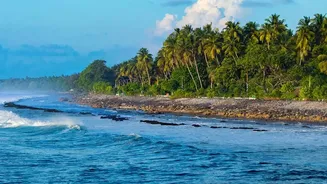
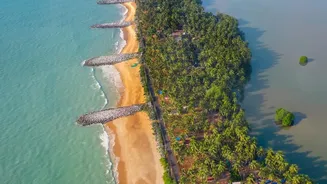
India's eastern shoreline, spanning states like West Bengal, Odisha, Andhra Pradesh, and Tamil Nadu, is one of the world's most vulnerable regions to tropical cyclones. The Bay of Bengal is a hotspot for these powerful storms, which bring with them destructive
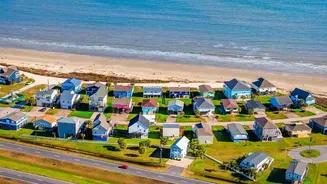
winds, torrential rain, and devastating storm surges that inundate coastal villages and farmlands. Events like Cyclone Yaas in 2021 left a trail of destruction, turning agricultural fields saline and destroying livelihoods. For millions living on this coastal frontline, the threat is not abstract; it is an annual reality that jeopardizes homes, lives, and their future.
Nature’s Resilient Wall
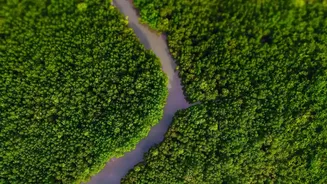
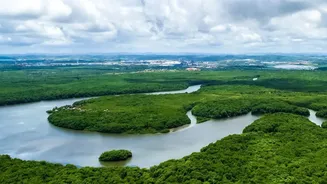
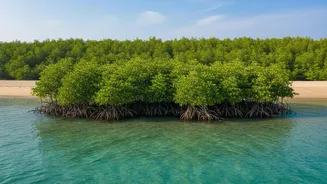
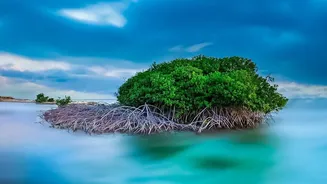
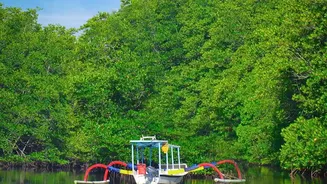
Enter the mangrove, a unique tree that thrives in the brackish water where land meets sea. These are not just ordinary forests; they are 'bio-shields'. Their complex, tangled root systems act like a natural barricade, anchoring the shoreline and dissipating the energy of powerful waves by as much as 66%. Studies have repeatedly shown that areas protected by healthy mangrove forests suffer significantly less damage during cyclones. When Cyclone Dana made landfall in Odisha, for instance, its destructive potential was visibly lessened in areas buffered by the Bhitarkanika mangrove sanctuary. These forests trap sediment, which helps combat coastal erosion, and their trunks and canopies can reduce the force of cyclonic winds.
Power to the People
What makes the current wave of mangrove restoration so powerful is that it is increasingly being led by the very communities it protects. Across the eastern coast, local villagers, particularly women, are becoming the primary custodians of their environment. In villages near Bichitrapur in Odisha, a community-led effort, supported by government projects, has transformed degraded lands into thriving mangrove forests. In the Sundarbans of West Bengal, NGOs like NEWS and Goonj have partnered with local communities to plant millions of saplings, reinforcing embankments and restoring the natural line of defense. These initiatives often empower women, forming Self-Help Groups that manage nurseries and lead plantation drives, providing them with both a voice and an income.
From Saplings to Survival
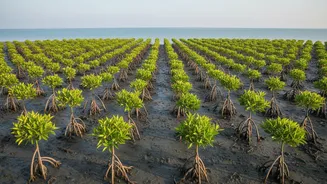
The process is a testament to patience and local wisdom. It begins with establishing nurseries to cultivate native mangrove species adapted to local soil and salinity conditions. Community members, from village elders to youth, then engage in large-scale plantation drives, often under 'Cloth for Work' initiatives where their efforts are rewarded with essential goods rather than just charity, preserving dignity. The challenges are real—saplings must survive high salinity and strong tides—but the results are transformative. Projects in Pichavaram, Tamil Nadu, and the Krishna wetlands in Andhra Pradesh have achieved impressive survival rates, some exceeding 85-90%. This success is built on a combination of scientific techniques and the invaluable, hands-on knowledge of the local communities.
More Than Just a Barrier
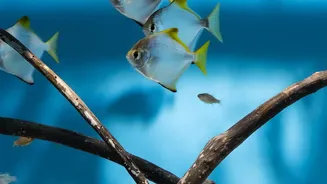
The benefits of these bio-shields extend far beyond storm protection. Mangrove ecosystems are vital nursery grounds for fish, crabs, and prawns, which means their restoration directly boosts local fisheries and food security. In the Sundarbans, crab and fish populations have visibly returned to restored areas, providing new livelihood opportunities. Furthermore, mangroves are carbon sequestration powerhouses, storing up to four times more carbon than terrestrial forests, making them a crucial tool in the fight against climate change. They also improve water quality by filtering pollutants. By reviving these ecosystems, communities are not just building a wall against the sea; they are rebuilding a healthier, more prosperous and resilient local economy.