



The Invisible Threat Hiding in Plain Sight
It’s a common and understandable misconception: if you can’t see the sun, your skin is safe. However, the light that causes sunburn and skin damage isn't the visible light that clouds block so effectively. The real danger comes from ultraviolet (UV) radiation,
which is invisible. There are two main types that reach the Earth's surface: UVA and UVB. UVB rays are shorter, more energetic, and are the primary cause of sunburn. UVA rays have a longer wavelength, allowing them to penetrate deeper into the skin. They are the main culprit behind premature ageing, such as wrinkles and fine lines, because they break down collagen. Critically, both types contribute to DNA damage that can lead to skin cancer.
Why Clouds Aren't the Shield You Think They Are
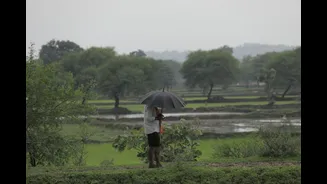
While thick cloud cover can offer some protection, it is far from a complete barrier. According to dermatologists and skin cancer foundations, up to 80% of the sun's UV rays can penetrate through clouds and reach your skin. This means that on a heavily overcast day, you are still being exposed to a significant amount of radiation. In fact, UVA rays maintain a consistent strength all year round, regardless of the weather. They can even pass through window glass, meaning you're exposed while indoors or driving. Sometimes, a phenomenon known as the "broken-cloud effect" can even scatter and reflect UV rays, increasing the intensity of your exposure compared to a perfectly clear day.
Monsoon Humidity and Your Skin
The monsoon season in India presents its own unique challenges for skin health. The spike in humidity can send oil production into overdrive for those with oily or combination skin, leading to clogged pores and breakouts. This often makes people hesitant to apply another layer of product like sunscreen. However, skipping sun protection can worsen issues like hyperpigmentation and dark spots, which are often triggered by sun exposure. Furthermore, the moist, damp weather can make the skin more vulnerable to various fungal and bacterial infections. Maintaining a consistent skincare routine, including a non-comedogenic (non-pore-clogging) sunscreen, is crucial to keep the skin barrier healthy and protected during this tricky season.
Your Monsoon Sunscreen Guide
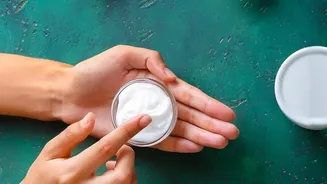
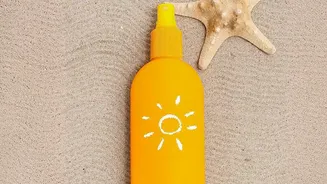
Making sunscreen a non-negotiable part of your daily routine is the single best defence. For effective protection, dermatologists recommend choosing a 'broad-spectrum' sunscreen. This label ensures it protects against both UVA and UVB rays. An SPF (Sun Protection Factor) of 30 or higher is the recommended standard; SPF 30 filters out about 97% of UVB rays. For the humid monsoon weather, look for lightweight, gel-based, or non-comedogenic formulas that won't feel heavy or clog your pores. Application is just as important as the product itself. Apply it generously to all exposed skin about 15-20 minutes before you head out. It's also vital to reapply every two to three hours, especially if you've been sweating.