
The Architect of a New India
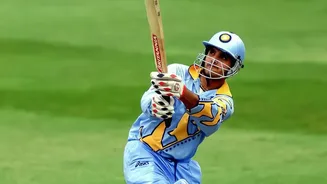
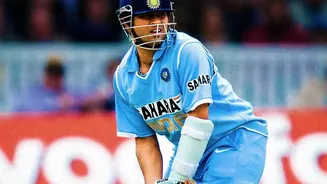
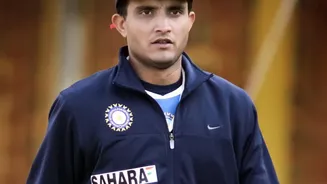
To understand the shock of Sourav Ganguly’s removal, one must first remember his impact as a leader. Taking over in the turbulent aftermath of the match-fixing scandal, Ganguly instilled a new, aggressive mindset in the team. He famously backed young
talents like Virender Sehwag, Yuvraj Singh, and Harbhajan Singh, who would become the backbone of Indian cricket for a decade. Under his captaincy, India started winning Test matches abroad, culminating in a historic drawn series in Australia in 2003-04 and a series win in Pakistan. He led India to the 2003 World Cup final, and for many, he was the architect of modern Indian cricket's fearless identity. His leadership was not just tactical; it was emotional and transformative.
Enter Greg Chappell
After coach John Wright’s successful tenure ended in 2005, Ganguly himself advocated for the appointment of Australian legend Greg Chappell as his successor. Having sought Chappell's advice during his own career, Ganguly believed the Australian's technical expertise and tough mindset would elevate the team further. Chappell, a revered former captain, was seen as a master strategist who could push India towards the coveted World Cup in 2007. The partnership began with optimism, but the clash of two strong-willed personalities was, in retrospect, almost inevitable. Chappell's rigid, no-nonsense Australian coaching style soon came into conflict with the established dressing room culture.
The Zimbabwe Tour and Leaked Email
The turning point came during India's tour of Zimbabwe in September 2005. Reports emerged of a major rift between the captain and coach. Chappell had reportedly suggested Ganguly step down from the captaincy to focus on his batting, which had seen a dip in form. Ganguly, feeling undermined, went public with his frustrations, stating the coach was asking him to resign. The situation exploded when a confidential email from Chappell to the Board of Control for Cricket in India (BCCI) was leaked to the media. In the email, Chappell launched a scathing attack, describing Ganguly as “mentally and physically unfit” to lead and a “disruptive influence.” He accused the captain of faking injuries and desperately trying to hold onto his position.
The Board Sides with the Coach
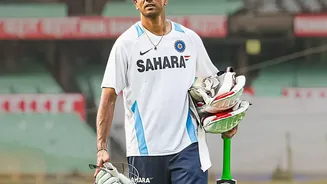
The leaked email left the BCCI with a difficult choice: back their most successful captain or support the new, high-profile coach they had just appointed. The board convened a review committee to hear from both men. Ultimately, the selectors and the board sided with Chappell. In November 2005, Ganguly's five-year reign came to an end as his long-time deputy, Rahul Dravid, was appointed the new captain for both Test and ODI formats. The official reason cited included Ganguly's elbow injury and a slump in batting form, but the fallout with the coach was the undeniable catalyst. The decision sent shockwaves across the country, leading to street protests, particularly in his home city of Kolkata, and even debates in the Indian Parliament.
Dropped from the Team
The humiliation did not end with the loss of captaincy. Ganguly was first dropped from the ODI squad in October 2005 and then, after a brief and difficult tour of Pakistan, he was axed from the Test team in January 2006. For the man who had built the team, being deemed not good enough to even be in it was a stunning fall from grace. He was left to prove his worth all over again in domestic cricket. The Chappell era, which was meant to build on Ganguly's foundation, had instead dismantled it, causing deep divisions and a period of intense turmoil within Indian cricket that overshadowed any on-field successes.
A Hard-Fought Comeback
Though his captaincy was gone for good, Ganguly's career was not over. He responded to his ousting with sheer determination, piling on runs in domestic cricket until the selectors could no longer ignore him. He made a successful comeback to the Test side for the tour of South Africa in late 2006, scoring a defiant 51 not out in his return innings. He was also recalled to the ODI team and was part of India's squad for the disastrous 2007 World Cup campaign, the failure of which led to Chappell's own resignation. While the conflict defined a period of his career, Ganguly's resilience in forcing his way back into the team remains a powerful chapter in his story.