


The Changing Breakfast Bowl
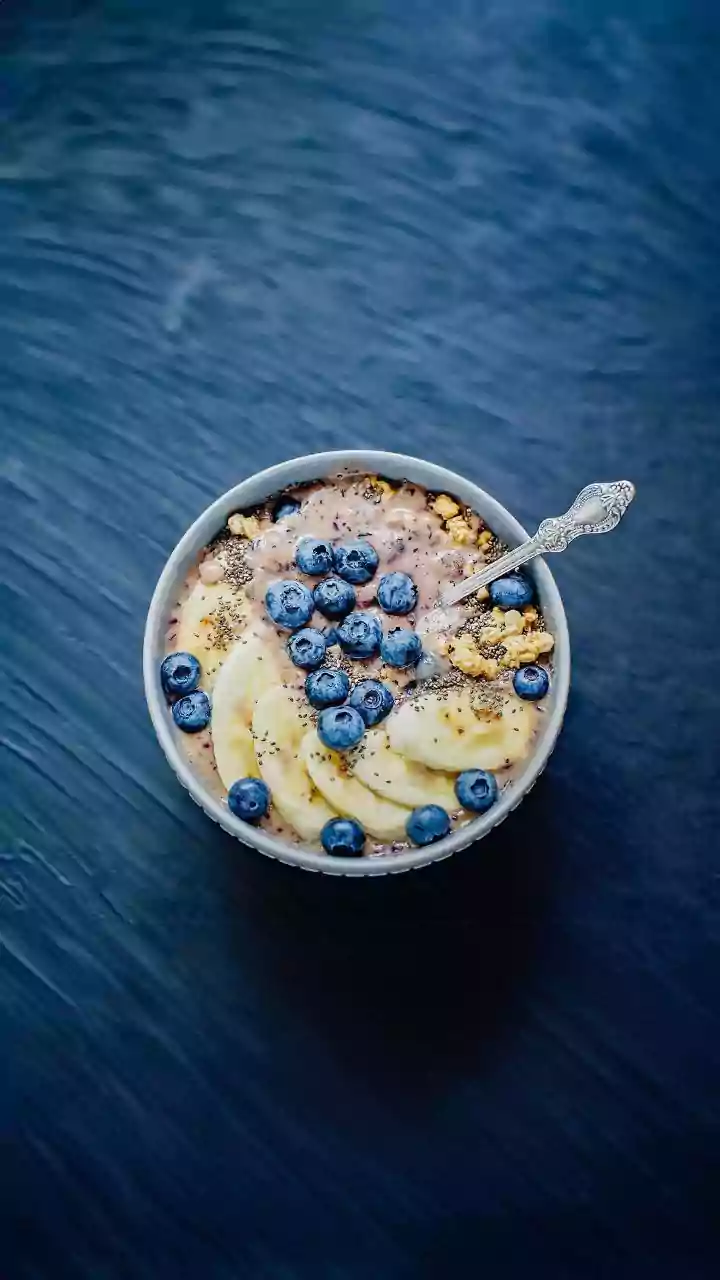
For years, the morning rush in many city homes meant a quick bowl of processed cereal. But a significant shift is underway. Health-conscious urbanites are rediscovering India's ancient superfoods, with millets leading the charge. Once dismissed as "poor
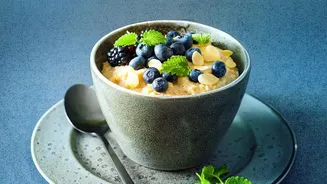
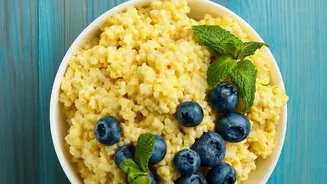
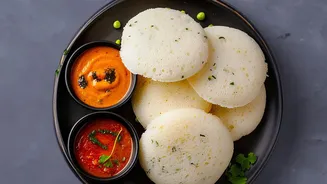
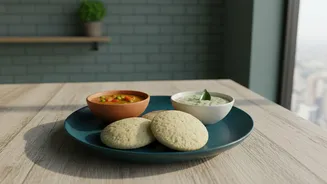
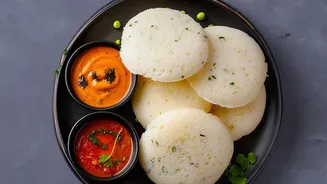
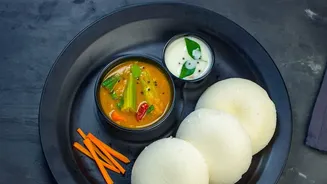
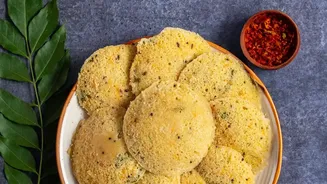
man's grain," varieties like ragi (finger millet), jowar (sorghum), and bajra (pearl millet) are now celebrated for their incredible health benefits. This revival isn't just about going back to roots; it's about upgrading breakfast with nutrient-dense, gluten-free options that provide sustained energy, unlike the sugar-crash-inducing alternatives. The result is a delicious return to familiarity, where soft, fermented appams and fluffy idlis, now crafted from millet flours, are reclaiming their rightful place as the breakfast of champions.
A Perfect Storm of Factors
This millet renaissance is no accident. It's driven by a confluence of powerful trends. A post-pandemic surge in health awareness has consumers scrutinizing labels and prioritizing immunity-boosting, natural foods. Millets, rich in fibre, protein, and essential minerals, fit the bill perfectly. Simultaneously, government initiatives, including the UN's declaration of 2023 as the International Year of Millets, have significantly boosted public awareness and farmer support. This has created a virtuous cycle: as demand grows, so does the availability of high-quality millet products, making it easier than ever for consumers to make the switch. The push for sustainability also plays a key role, as millets are climate-resilient crops that require less water than rice and wheat, making them better for the planet.
Convenience is Still King
One of the main reasons packaged cereals took hold was their convenience. The modern millet movement understands this. The new wave of millet adoption is not about forcing busy urbanites to spend hours grinding grains. Instead, an explosion of food startups and established brands are innovating to make millets just as convenient as their processed counterparts. Supermarket shelves and e-commerce platforms are now filled with high-quality millet-based idli and dosa batters, ready-to-cook porridge mixes, and even millet flakes that rival corn flakes. Brands like Slurrp Farm, Soulfull (acquired by Tata), and Nestlé are launching millet-based products that are tasty, accessible, and ready in minutes, successfully bridging the gap between traditional nutrition and modern lifestyles.
Beyond Breakfast: A Nutritional Upgrade
The switch from refined wheat or corn-based cereals to whole-grain millets is a significant nutritional upgrade. Millets have a lower glycemic index, which helps in managing blood sugar levels and preventing energy spikes and crashes. This makes them an excellent choice for diabetics and anyone looking to manage their weight. They are naturally gluten-free, catering to a growing population with gluten sensitivities. Furthermore, millets are nutritional powerhouses packed with iron, calcium, magnesium, and antioxidants. For example, ragi is a phenomenal source of calcium, far surpassing other cereals. By incorporating these grains back into daily meals, families are not just changing a breakfast habit; they are fundamentally improving their dietary quality.