






Embrace Wholesome Grains and Millets
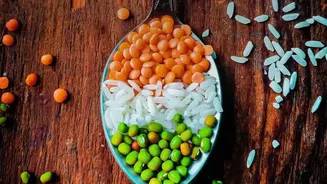
The rainy season often weakens our digestive system. Opting for light and easy-to-digest grains is a smart move. Stock up on aged rice, barley, and various millets like jowar and ragi. These are not only gentle on the stomach but also provide sustained
energy. A warm bowl of khichdi made from rice and moong dal is a classic monsoon comfort food that is both nourishing and easy to prepare. Whole wheat atta for chapatis is another staple, but consider buying it freshly milled and in smaller quantities to prevent it from absorbing moisture and spoiling.
Lean on Lentils and Pulses
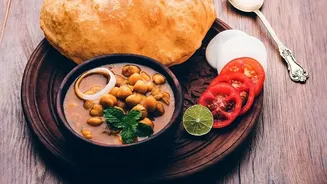
Lentils are the backbone of Indian comfort food, and the monsoon is the perfect time for a hearty dal. Moong dal is particularly recommended as it's light and easy to digest. Other pulses like masoor dal and chana are also great sources of plant-based protein. These can be used to make warm soups and curries that are perfect for a rainy evening. Storing them in airtight containers is crucial to keep pests and moisture away during the humid weather.
Harness the Power of Spices
Spices are your best friends during the monsoon for both flavour and health. Turmeric, ginger, garlic, black pepper, and ajwain (carom seeds) are essential. These spices are known for their anti-inflammatory, antibacterial, and digestive properties. Ginger and garlic are particularly effective against common monsoon ailments like colds and sore throats. Turmeric, with its active compound curcumin, is a powerful immunity booster. Use these generously in your dals, soups, and vegetable preparations.
Stock Up on Root Vegetables
While it's best to buy most vegetables fresh, having some long-shelf-life options on hand is wise. Root vegetables like potatoes, onions, and garlic are pantry must-haves. Other good options include pumpkin, sweet potatoes, and carrots. These are versatile and form the base for many comforting stews, soups, and sabzis. Remember to wash all vegetables thoroughly before cooking, as the humidity increases the risk of contamination.
Choose Nuts and Healthy Fats
Nuts and seeds like almonds, walnuts, and pumpkin seeds provide healthy fats, protein, and essential micronutrients like zinc and vitamin E, which support the immune system. They make for a great snack or can be added to dishes for extra crunch and nutrition. Ghee is also recommended in moderation. According to Ayurveda, it helps in digestion and keeps the body warm. Using cold-pressed oils is another way to incorporate healthy fats into your diet.
Rethink Your Beverages
Staying hydrated is important, but it's advisable to be cautious with water sources during monsoon. Drinking boiled or filtered water is a must. This is the season to swap cold drinks for warm, comforting beverages. Herbal teas made with ingredients like tulsi, ginger, or lemon are excellent for boosting immunity and aiding digestion. A warm cup of turmeric milk, or 'haldi doodh', before bed is a traditional remedy to keep infections at bay.